Peptide Interactions With Common Medications: What Published Research Shows About Drug-Peptide Combinations
Many peptide researchers also take prescription medications. This article examines published data on interactions between research peptides and common drug classes including NSAIDs, blood pressure medications, and diabetes drugs.
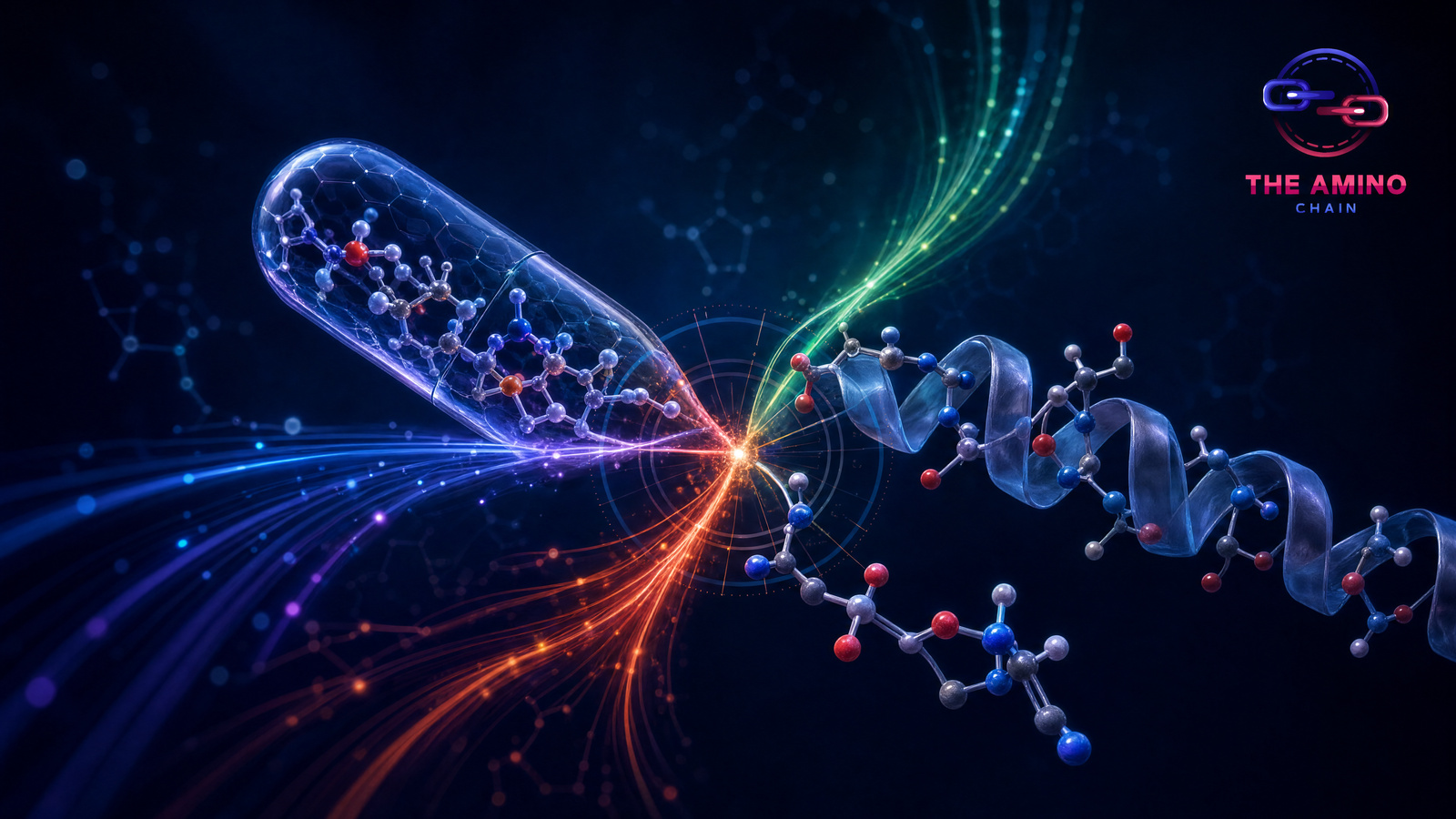
A question that arises frequently in peptide research communities — but is rarely addressed in published research — is how peptides interact with commonly prescribed medications. Many researchers take prescription medications for blood pressure, cholesterol, diabetes, pain, or other conditions. Understanding potential interactions between research peptides and these medications is important for safe research design, yet published interaction data is extremely limited for most peptide-drug combinations.
The Interaction Problem
Drug interactions occur through two main mechanisms. Pharmacokinetic interactions affect how compounds are absorbed, distributed, metabolized, or eliminated — one compound altering the blood levels of another. Pharmacodynamic interactions occur when two compounds affect the same physiological system — their effects may be additive, synergistic, or antagonistic. For research peptides, pharmacodynamic interactions are more likely than pharmacokinetic interactions because most peptides are metabolized by ubiquitous proteases rather than the cytochrome P450 system that mediates most pharmaceutical drug interactions.
BPC-157 and NSAIDs
This is the best-studied peptide-drug combination in published research. BPC-157 was specifically researched for its protective effects against NSAID-induced gastrointestinal damage. Published studies showed BPC-157 reduced the GI toxicity of aspirin, diclofenac, and indomethacin in animal models. The interaction appears to be protective rather than antagonistic — BPC-157 does not interfere with NSAIDs' analgesic or anti-inflammatory effects but mitigates their GI side effects through alternative protective pathways.
This represents a potentially beneficial interaction: BPC-157 addresses one of the major limitations of chronic NSAID use (GI damage) without compromising the therapeutic effect. However, this interaction has only been studied in animal models, not in human clinical trials.
BPC-157 and Blood Pressure Medications
BPC-157's documented effects on the NO system and blood pressure regulation raise theoretical questions about interactions with antihypertensive medications. Published research showed BPC-157 can modulate blood pressure bidirectionally — potentially complementing or complicating blood pressure medication effects depending on the context. The interaction has not been directly studied, and individuals using blood pressure medications should be aware of this theoretical consideration.
GLP-1 Agonist Peptides and Diabetes Medications
GLP-1 receptor agonist peptides (retatrutide, tirzepatide) have the most well-characterized drug interaction profile because pharmaceutical versions of GLP-1 agonists are widely prescribed. Published pharmaceutical data shows that GLP-1 agonists can potentiate the glucose-lowering effects of sulfonylureas and insulin, increasing hypoglycemia risk. They delay gastric emptying, which can affect absorption rates of oral medications.
Researchers using GLP-1 agonist peptides alongside prescribed diabetes medications should be aware of these documented pharmaceutical interactions.
TB-500 and Anticoagulants
TB-500's effects on cell migration and tissue repair have not been directly studied for interactions with anticoagulant medications (warfarin, heparin, DOACs). However, TB-500's documented anti-inflammatory effects could theoretically complement or interact with anticoagulants' effects on thrombosis and inflammation. This remains speculative without published interaction data.
GHK-Cu and Topical Medications
For topical GHK-Cu use in skincare research, potential interactions with prescription topical medications (retinoids, corticosteroids, calcineurin inhibitors) are relevant. Published data on these specific combinations is limited. Retinoids and GHK-Cu both affect collagen metabolism — whether their effects are additive or whether combining them alters the safety profile of either compound is not established.
The Key Principle
For most peptide-drug combinations, published interaction data simply does not exist. The absence of published interaction data does not mean the absence of interactions — it means the interactions haven't been studied. Researchers taking prescription medications should approach peptide research with this uncertainty in mind and consult with qualified healthcare providers about potential interactions relevant to their specific medication regimen.