How Long Do Peptides Last? Shelf Life, Expiration, and When to Discard Your Research Compounds
Lyophilized peptides can last years. Reconstituted peptides degrade in weeks. This guide covers exact shelf life timelines for every storage...
Read article →
How to Verify Peptide Purity: HPLC Testing, Mass Spectrometry, COA Analysis, and Independent Testing Options
You can't see purity with your eyes. This guide explains exactly how peptide purity is measured, how to read an HPLC chromatogram, what mass...
Read article →
Subcutaneous Injection Technique: The Complete Guide to SubQ Injection for Peptide Research
Subcutaneous injection is the standard administration route for most research peptides. This detailed guide covers needle selection, site pr...
Read article →
How to Make Bacteriostatic Water: A Complete Guide to Preparation, Sterilization, and Storage
Bacteriostatic water is essential for peptide reconstitution. This guide covers how it's made, the role of benzyl alcohol, proper sterilizat...
Read article →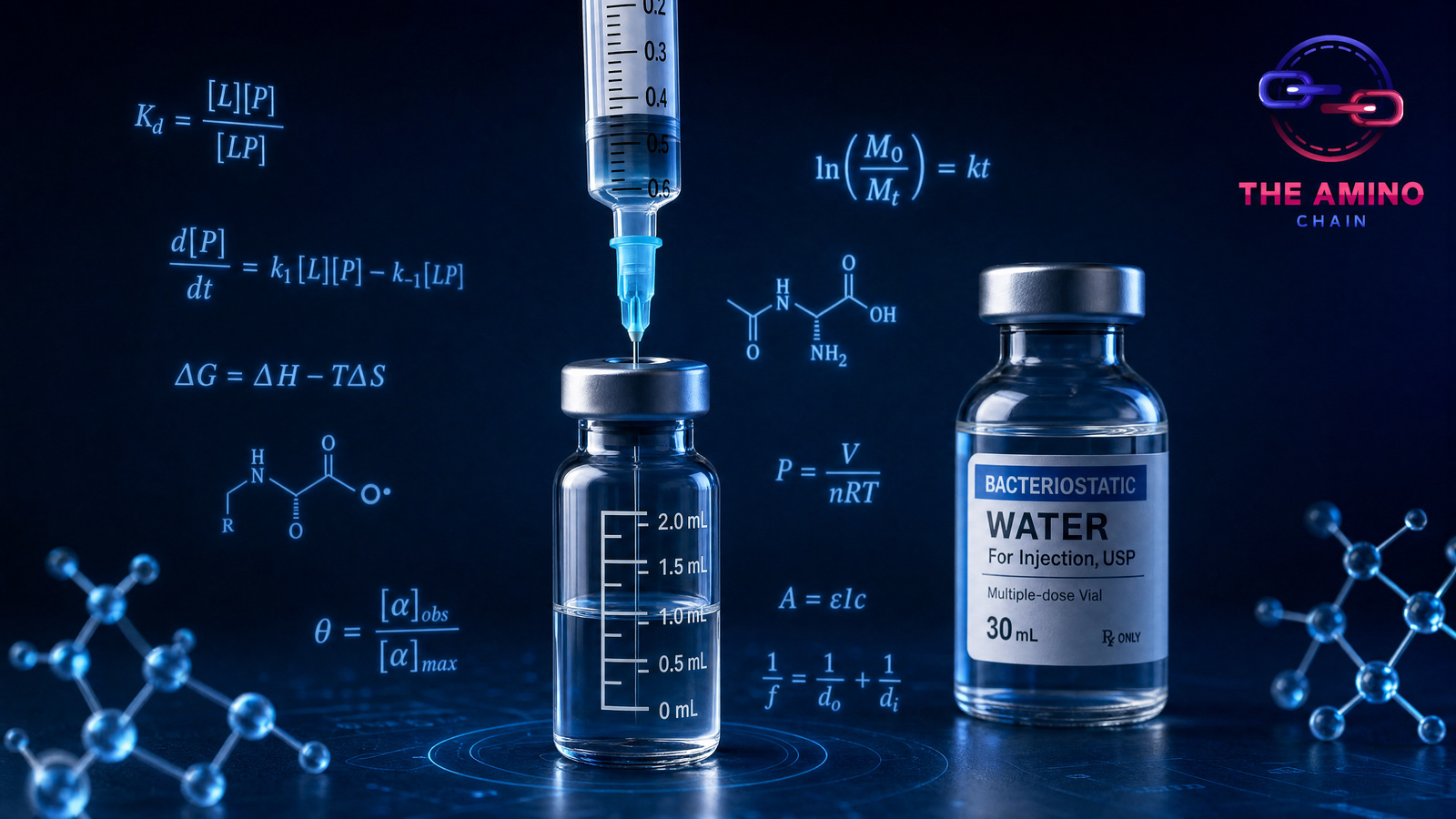
The Complete Guide to Peptide Dosing Calculations: Reconstitution, Concentration, and Volume Math
Peptide dosing requires precise calculations. This exhaustive guide covers reconstitution math, concentration formulas, syringe scales, unit...
Read article →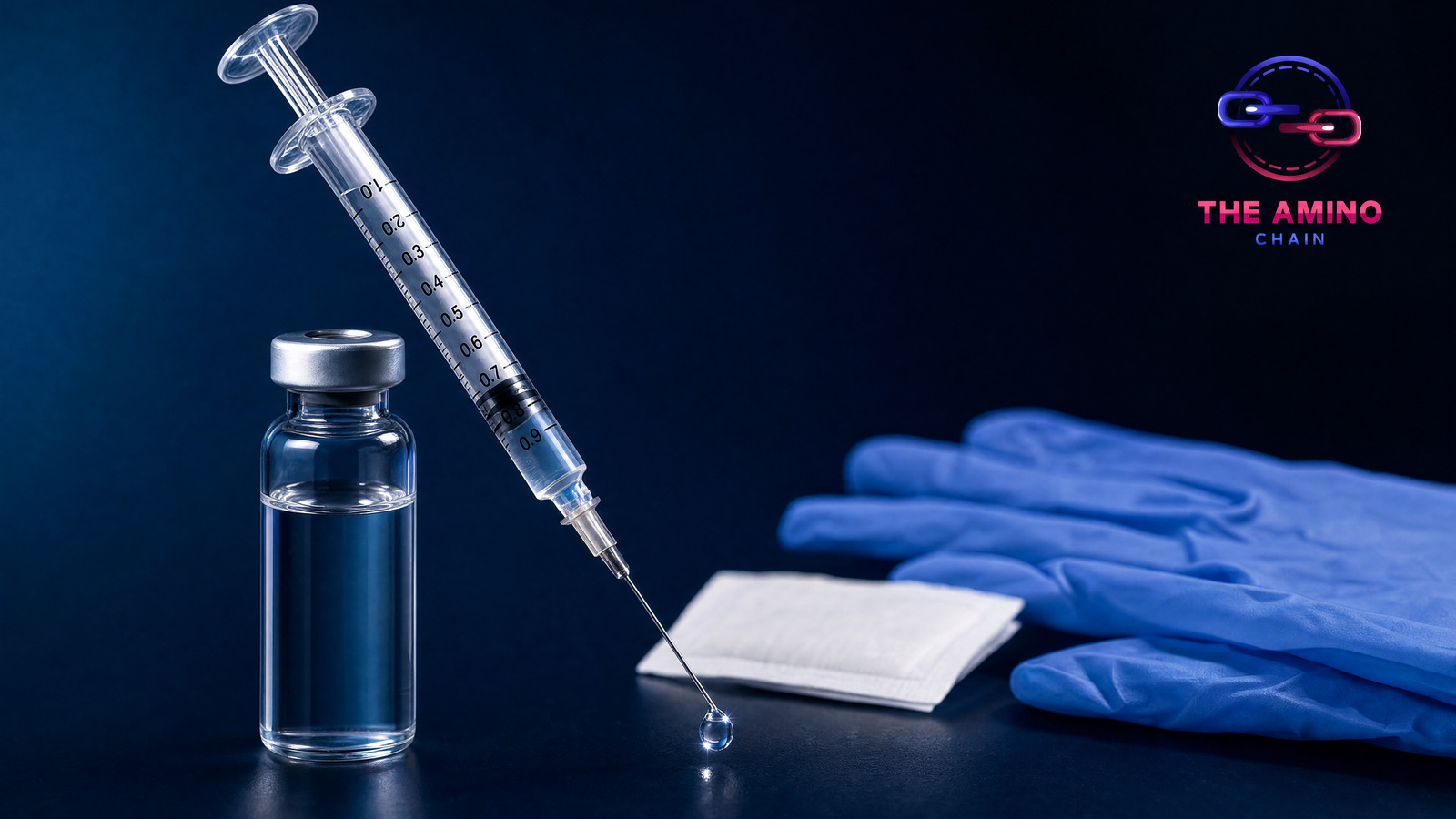
How to Inject Peptides: A Complete Guide to SubQ and IM Injection Technique
Proper injection technique matters as much as the peptide itself. This guide covers subcutaneous and intramuscular injection, site selection...
Read article →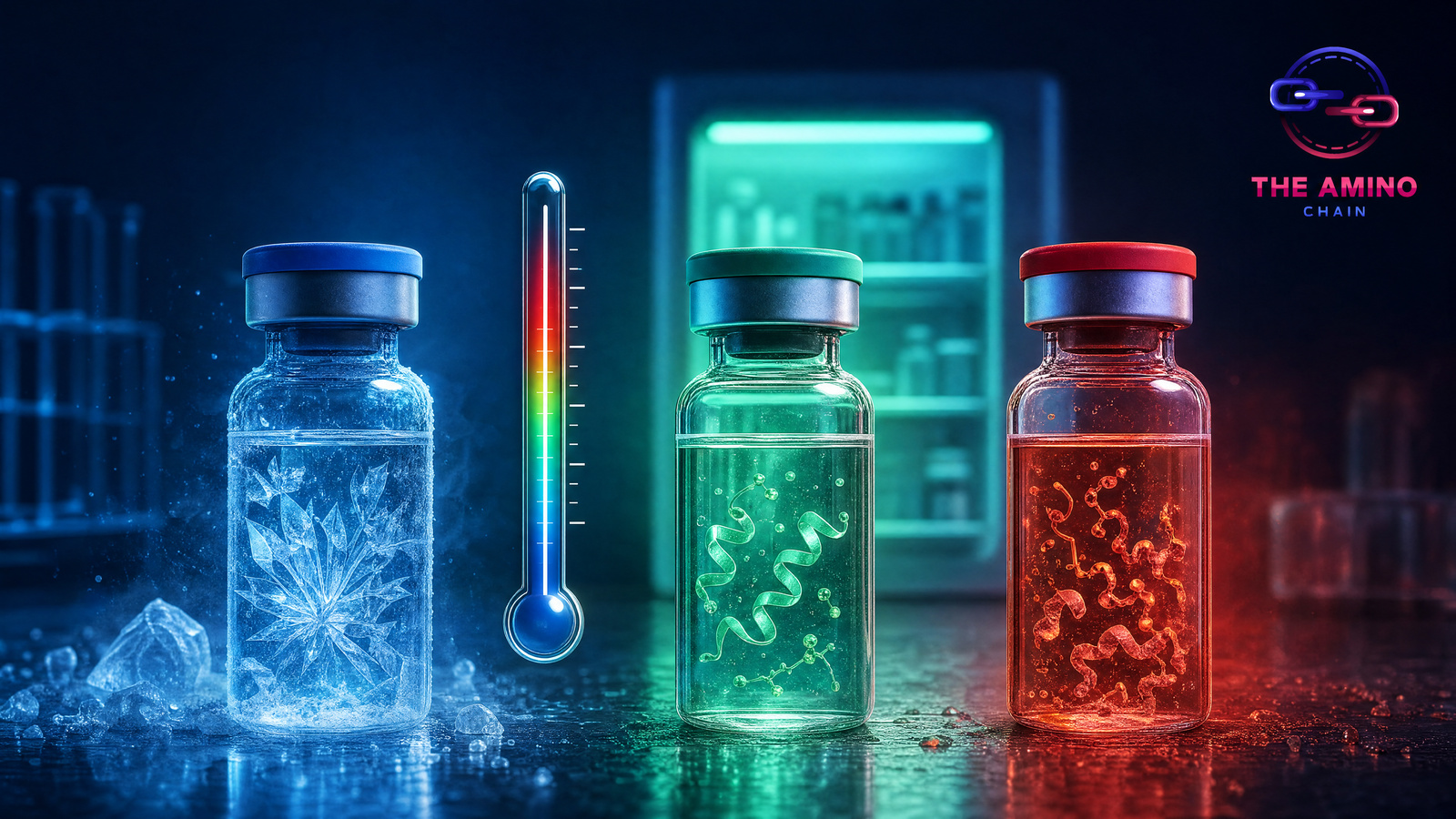
Peptide Stability Under Different Conditions: Temperature, pH, Light, and Oxidation Research
How stable is your peptide? Published research on peptide degradation under different temperatures, pH levels, light exposure, and oxidative...
Read article →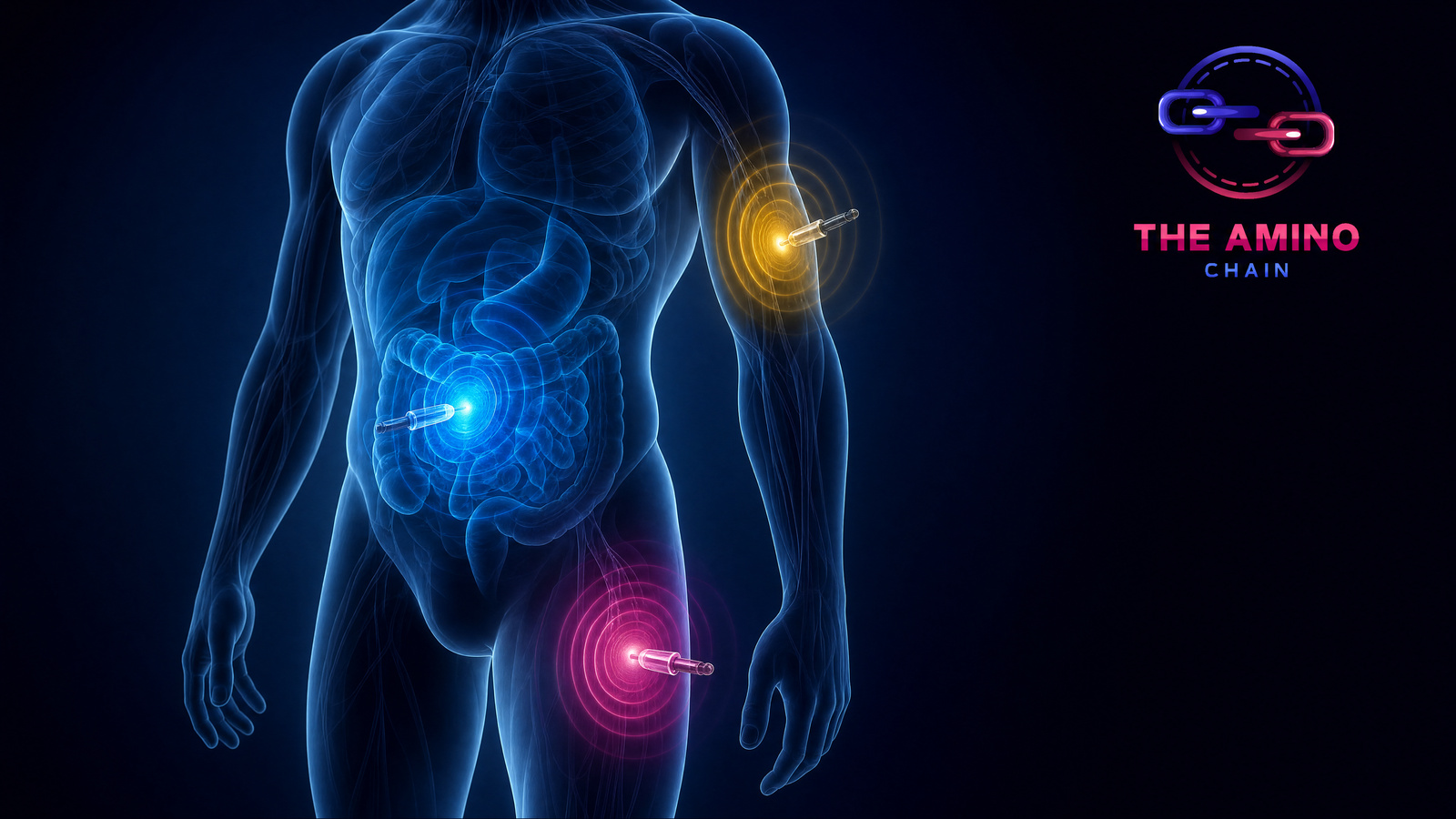
Where to Inject Peptides: A Visual Guide to Injection Sites for Different Compounds
Does it matter where you inject? Yes. Injection site selection affects absorption rate, comfort, and research consistency. This guide covers...
Read article →
How to Keep a Peptide Research Log: Templates, Tracking, and Documentation Best Practices
Reproducible research requires documentation. This guide provides templates and best practices for tracking reconstitution, dosing, observat...
Read article →
Bacteriostatic Water: Everything You Need to Know About Your Most Important Research Supply
Bacteriostatic water is the unsung hero of peptide research — the solvent that makes everything work. This guide covers what it is, how it w...
Read article →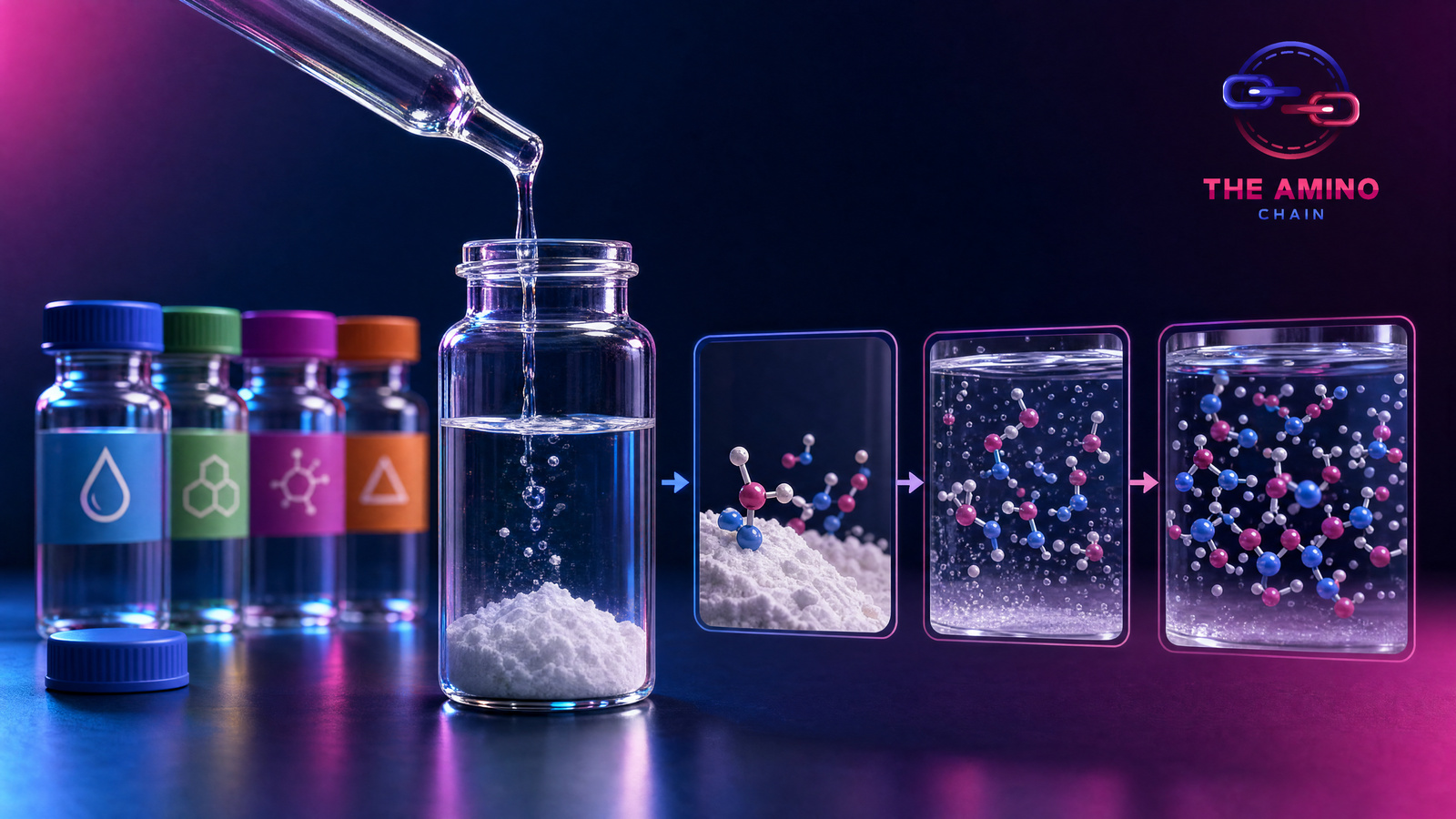
Peptide Solubility: Why Some Peptides Won't Dissolve and What to Do About It
Not every peptide dissolves in bacteriostatic water. This guide covers the science of peptide solubility, how amino acid composition affects...
Read article →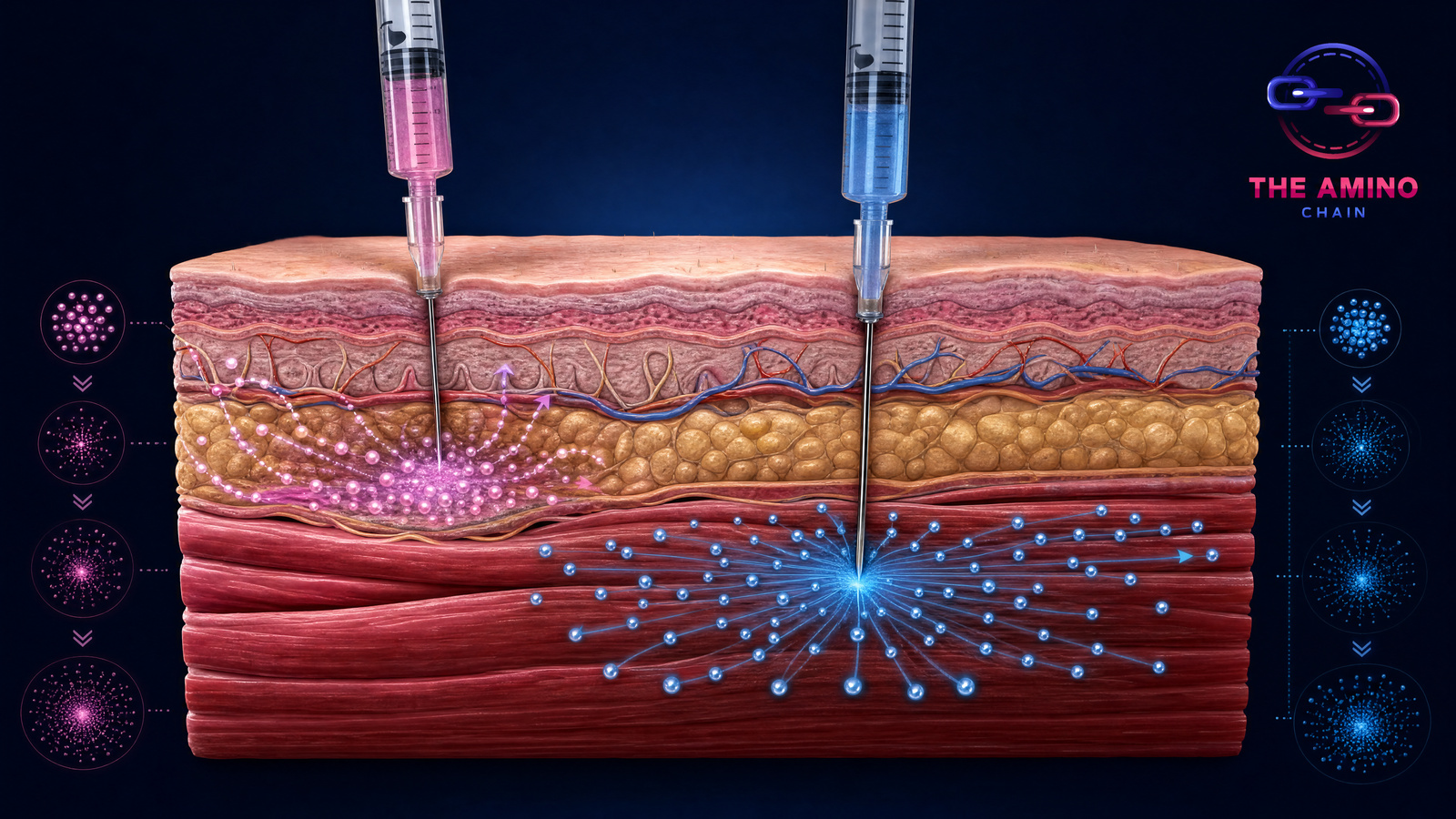
Subcutaneous vs Intramuscular: How Administration Route Affects Peptide Research
The route of administration fundamentally affects peptide pharmacokinetics — absorption rate, bioavailability, and tissue distribution all c...
Read article →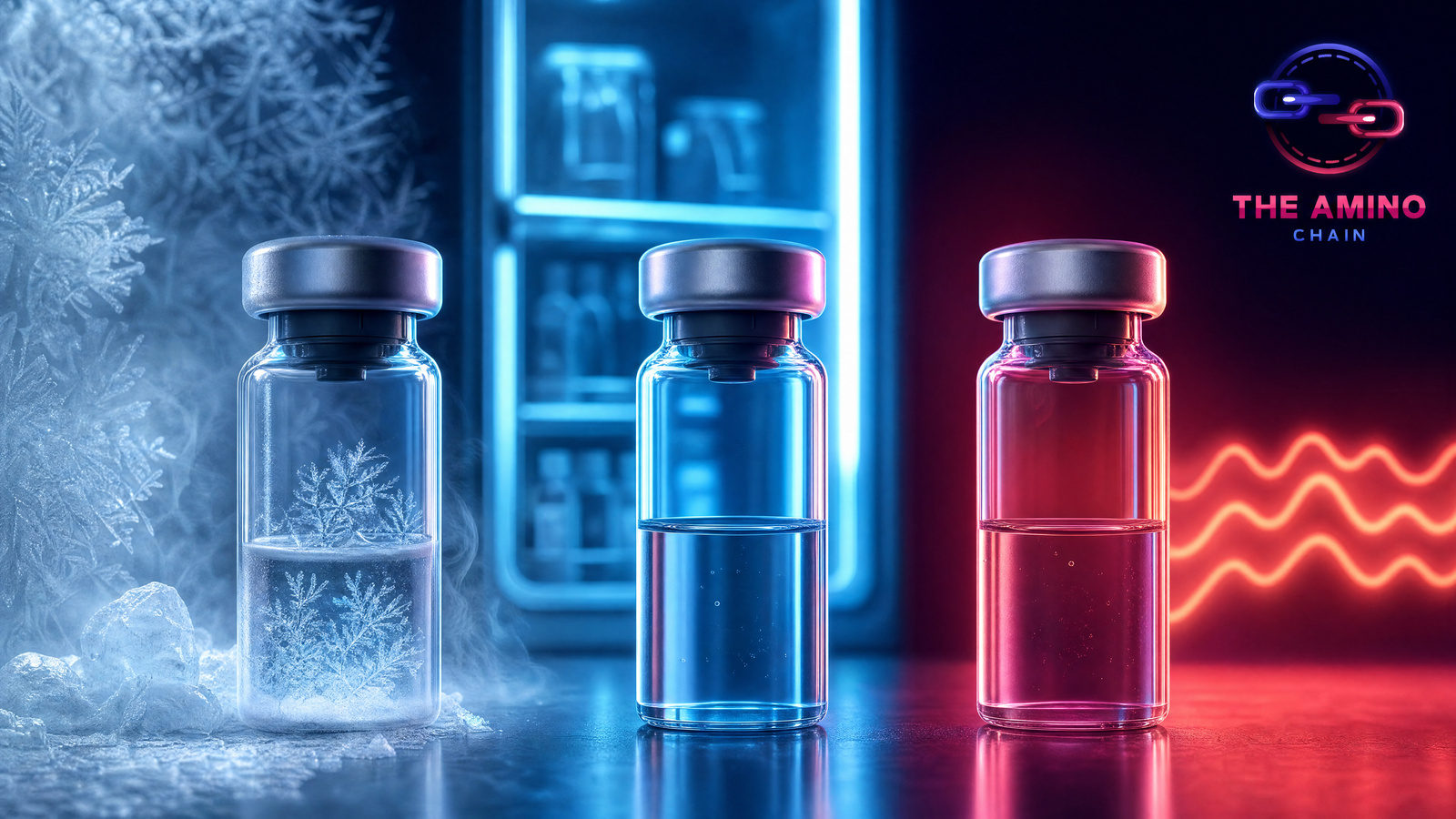
The Definitive Guide to Peptide Storage Temperatures
Freezer, fridge, or room temperature? This guide covers optimal storage conditions for lyophilized and reconstituted peptides, backed by sta...
Read article →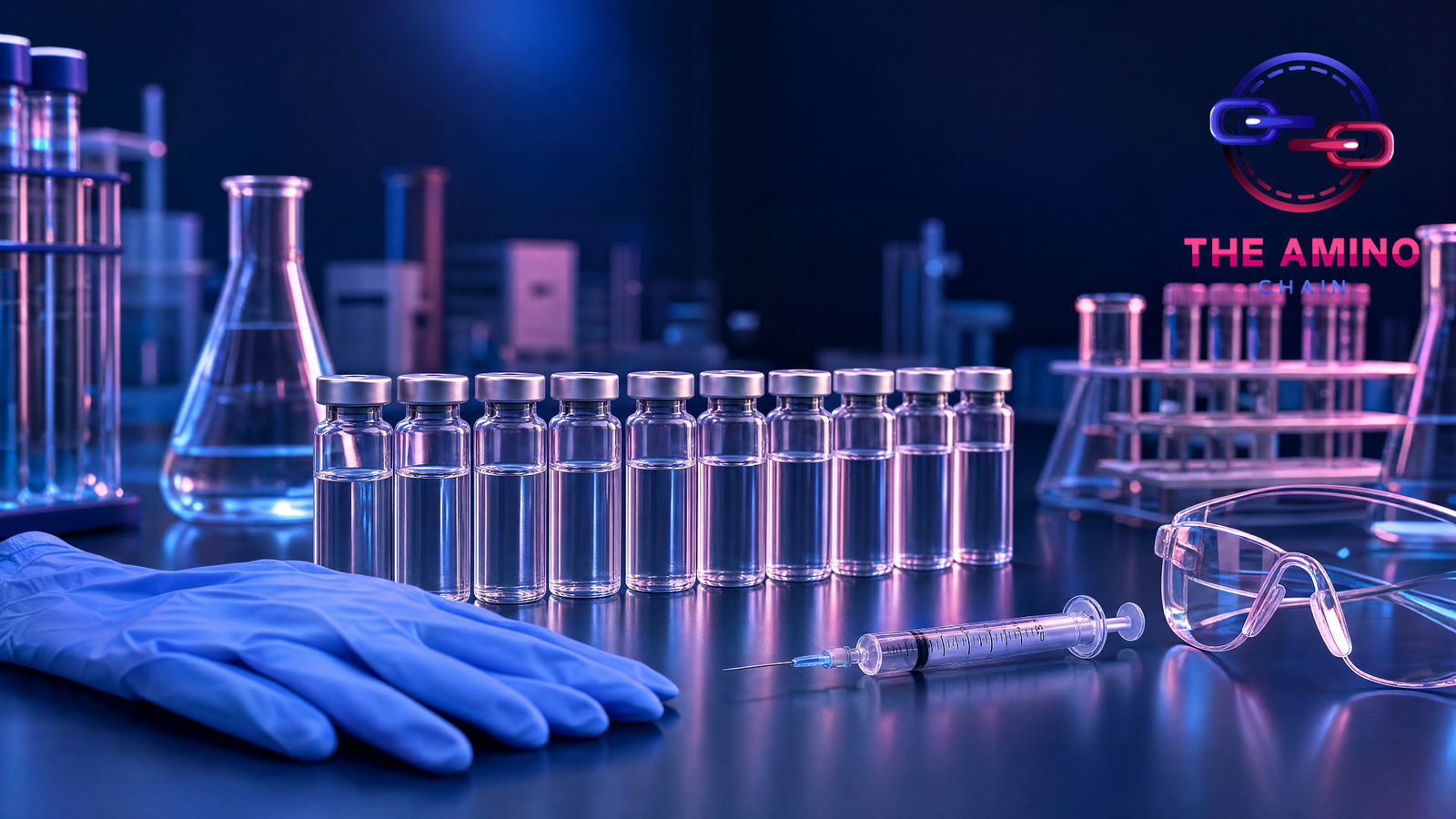
Peptide Lab Safety: What Every Researcher Needs to Know
Essential safety practices for handling research peptides in laboratory settings — from PPE and reconstitution safety to proper disposal and...
Read article →
Mass Spectrometry for Peptide Identification: A Practical Guide
How mass spectrometry confirms that the peptide in your vial is actually what the label says. Covers MALDI-TOF, ESI-MS, and how to interpret...
Read article →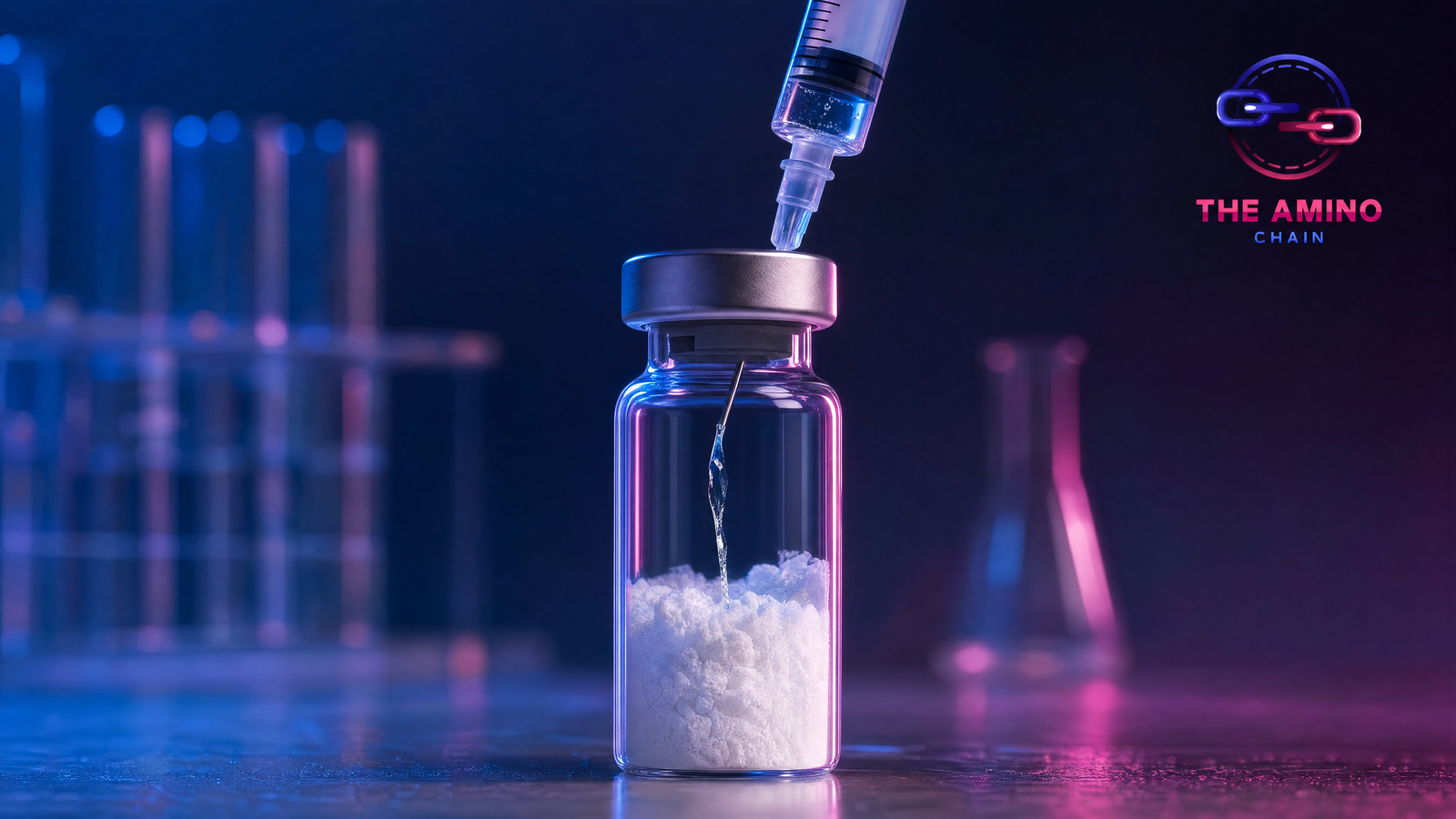
Peptide Reconstitution Masterclass: From Vial to Solution
A comprehensive, step-by-step guide to reconstituting lyophilized peptides — covering solvent selection, volume calculations, technique, and...
Read article →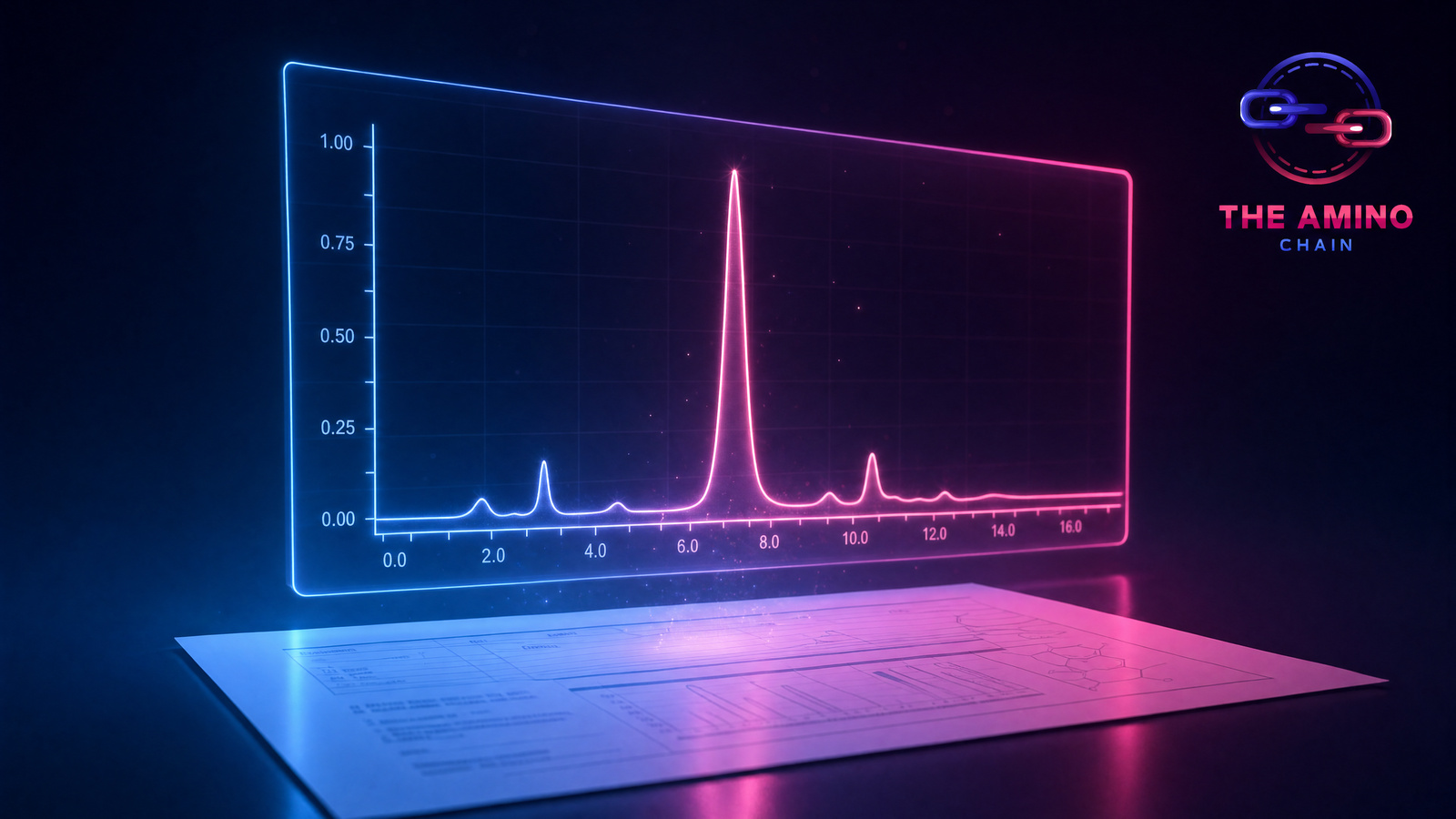
How to Read a COA Like a Scientist
Most researchers glance at the purity number and move on. Here is how to actually evaluate a Certificate of Analysis — chromatograms, mass s...
Read article →
Is Your Peptide Still Good? 7 Signs of Degradation
Visual indicators, solubility changes, and performance shifts that tell you a peptide has degraded — plus prevention strategies that actuall...
Read article →
AminoAxis
Pharmaceutical-grade research peptides. HPLC verified. COA on every batch. Ships in 24h.