Bacteriostatic Water: Everything You Need to Know About Your Most Important Research Supply
Bacteriostatic water is the unsung hero of peptide research — the solvent that makes everything work. This guide covers what it is, how it works, proper handling, and why using the wrong water can ruin your experiments.
Every peptide researcher uses bacteriostatic water, but few give it the attention it deserves. This seemingly simple supply — sterile water with 0.9% benzyl alcohol — is the foundation of every reconstitution, and mishandling it is one of the most common causes of contaminated samples and inconsistent results.
What Makes It Bacteriostatic
The term "bacteriostatic" means it inhibits bacterial growth without necessarily killing existing bacteria. The active ingredient is benzyl alcohol at a concentration of 0.9% (9 mg/mL). Benzyl alcohol disrupts bacterial cell membrane integrity and interferes with cellular metabolism, preventing bacterial replication in the solution.
This is critically different from sterile water, which contains no preservative. Sterile water is bacterially clean at the moment of opening but has zero defense against contamination introduced during use. A single puncture of the septum with a non-sterile needle can introduce bacteria that will multiply unchecked in sterile water but be suppressed in bacteriostatic water.
Why Benzyl Alcohol Concentration Matters
The 0.9% concentration is a carefully chosen balance. Higher concentrations would provide stronger antimicrobial protection but could potentially affect peptide stability or cause tissue irritation in research applications. Lower concentrations might not provide adequate bacterial suppression over the product's shelf life.
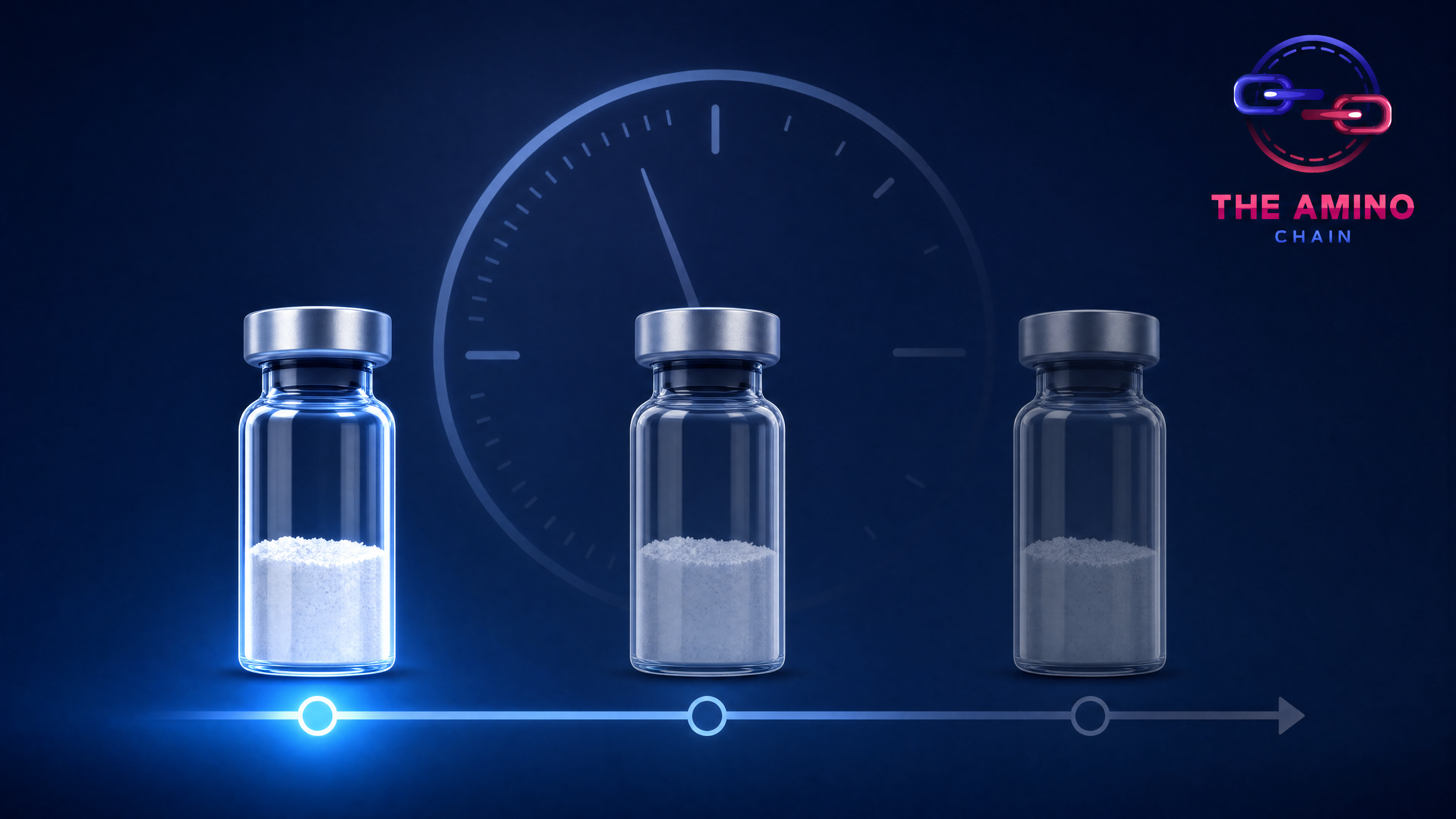
Published studies have demonstrated that 0.9% benzyl alcohol effectively suppresses growth of common laboratory contaminants for approximately 28 days after initial puncture, assuming reasonable sterile technique during use. This 28-day window is why most peptide reconstitution guidelines recommend using solutions within 3-4 weeks.
Proper Storage and Handling
Unopened bacteriostatic water should be stored at room temperature (20-25 degrees Celsius), away from direct light. Unlike reconstituted peptides, BAC water does not need refrigeration before opening.
After first puncture, storage recommendations depend on your usage pattern. If you're accessing the bottle frequently (multiple times per week), room temperature storage is fine — the benzyl alcohol provides adequate protection. If the bottle will sit for extended periods between uses, refrigeration adds an extra layer of protection by slowing any bacterial growth that might overcome the preservative.
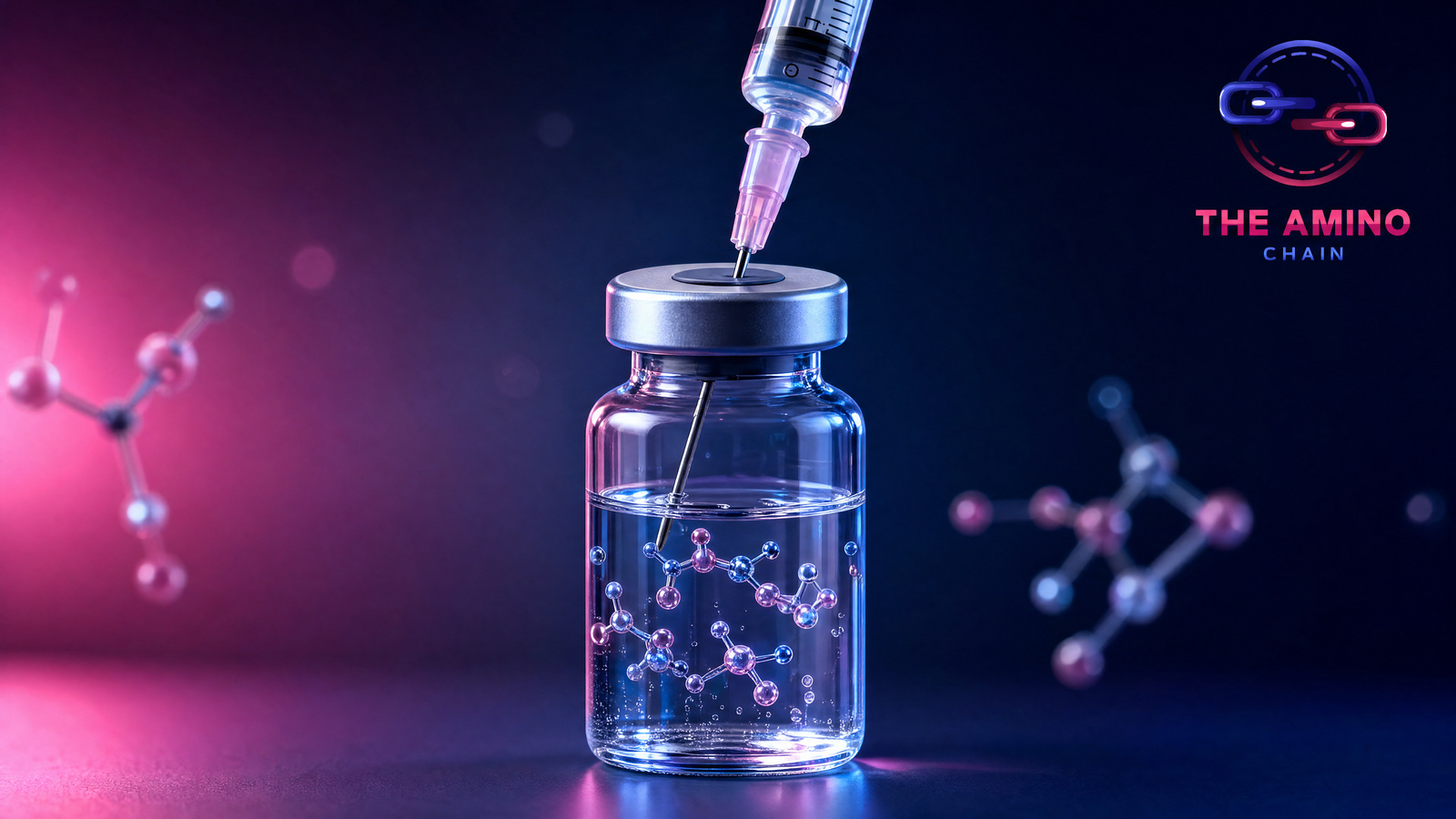
Always use a new sterile needle for each access. Never pour BAC water — always draw through the septum with a syringe and needle. Never touch the septum with your fingers. Wipe the septum with an alcohol swab before each puncture.
How Much Do You Actually Need?
A standard 30 mL bottle of bacteriostatic water is enough to reconstitute 15-30 peptide vials at typical volumes (1-2 mL per vial). At that rate, most researchers will use an entire bottle well within the 28-day post-puncture window.
If you're reconstituting infrequently, consider buying smaller volumes. A 10 mL bottle may be more appropriate if you're only reconstituting one or two vials per month. The goal is to finish the bottle before the preservative's effectiveness diminishes.
BAC Water vs Sterile Water vs Saline
Bacteriostatic water is the default choice for most peptide reconstitution. However, there are situations where alternatives are appropriate.
Sterile water (no preservative) should be used when benzyl alcohol compatibility is a concern, or when the entire reconstituted volume will be used in a single session. Once opened, sterile water should be discarded — it cannot be stored safely for repeated use.
Bacteriostatic sodium chloride (0.9% NaCl with benzyl alcohol) is sometimes used when ionic strength is important for peptide solubility or stability. The salt concentration matches physiological osmolarity, which can be relevant for certain research applications.
Quality Indicators
Quality bacteriostatic water should be crystal clear with no visible particulates. Any cloudiness, color, or floating particles indicates contamination — discard immediately. The solution should have a faint but detectable benzyl alcohol odor. If it smells like nothing, the preservative concentration may be insufficient. If it smells strongly chemical or off, the product may be degraded.
Always check the expiration date and lot number. Purchase from suppliers who can provide documentation of sterility testing and benzyl alcohol concentration verification.
The One Mistake That Ruins Everything
The single most expensive mistake in peptide research is contaminating your bacteriostatic water supply. One contaminated bottle can introduce bacteria into every peptide vial you reconstitute with it. Use sterile technique, replace the bottle on schedule, and never share BAC water bottles between different research areas or users without appropriate controls.