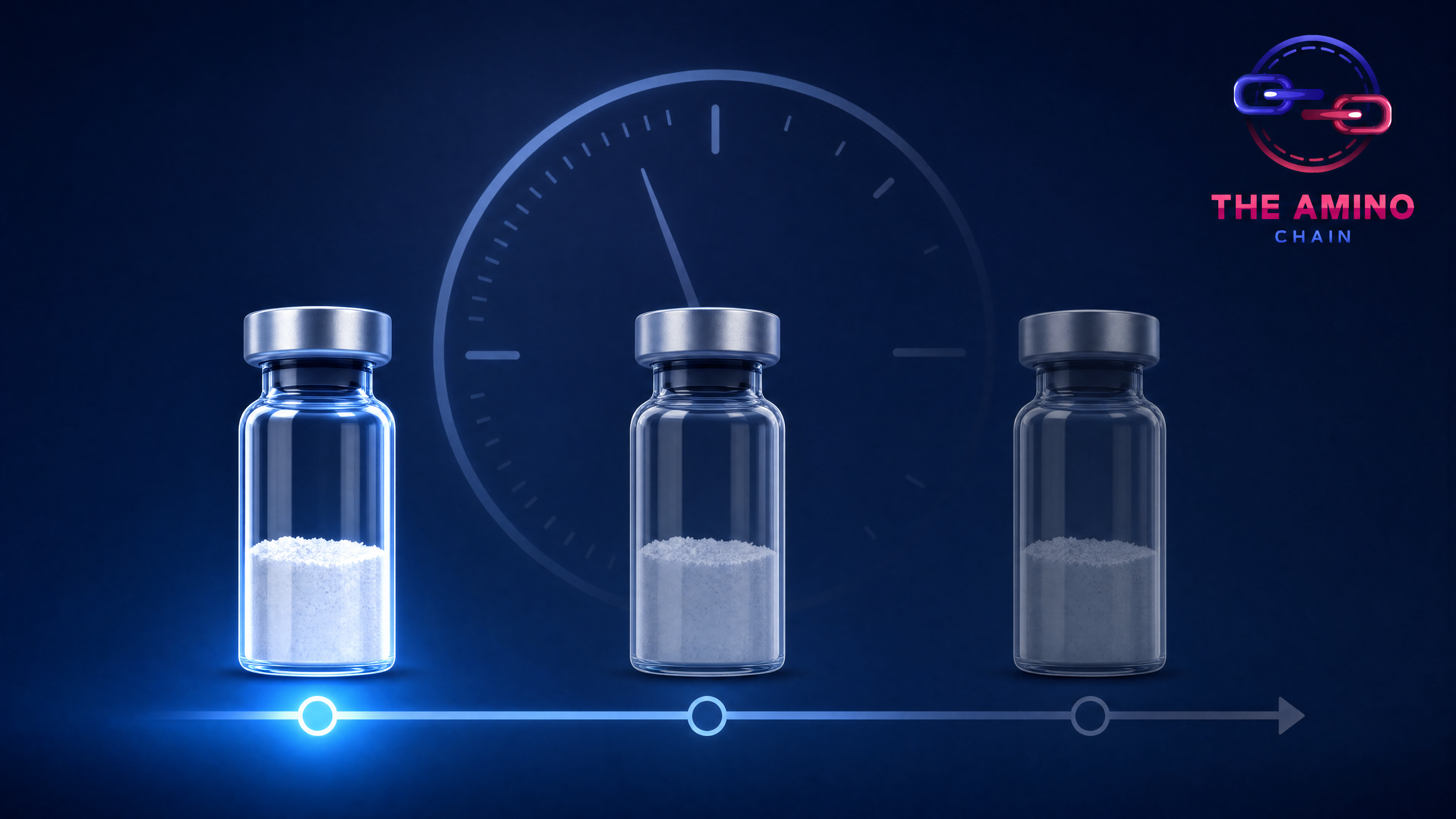
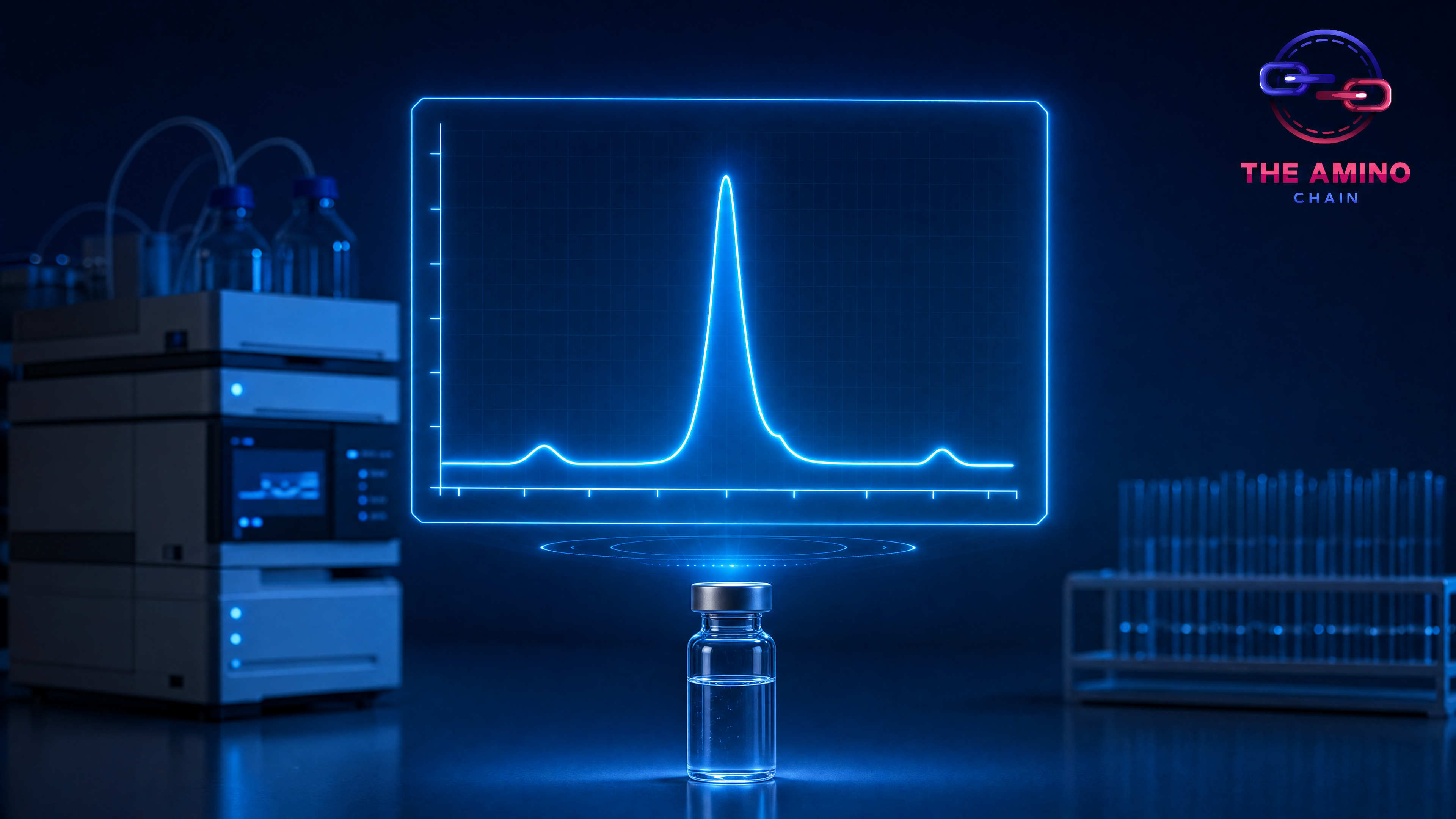
The Definitive Guide to Peptide Storage Temperatures
Freezer, fridge, or room temperature? This guide covers optimal storage conditions for lyophilized and reconstituted peptides, backed by stability data and practical laboratory experience.
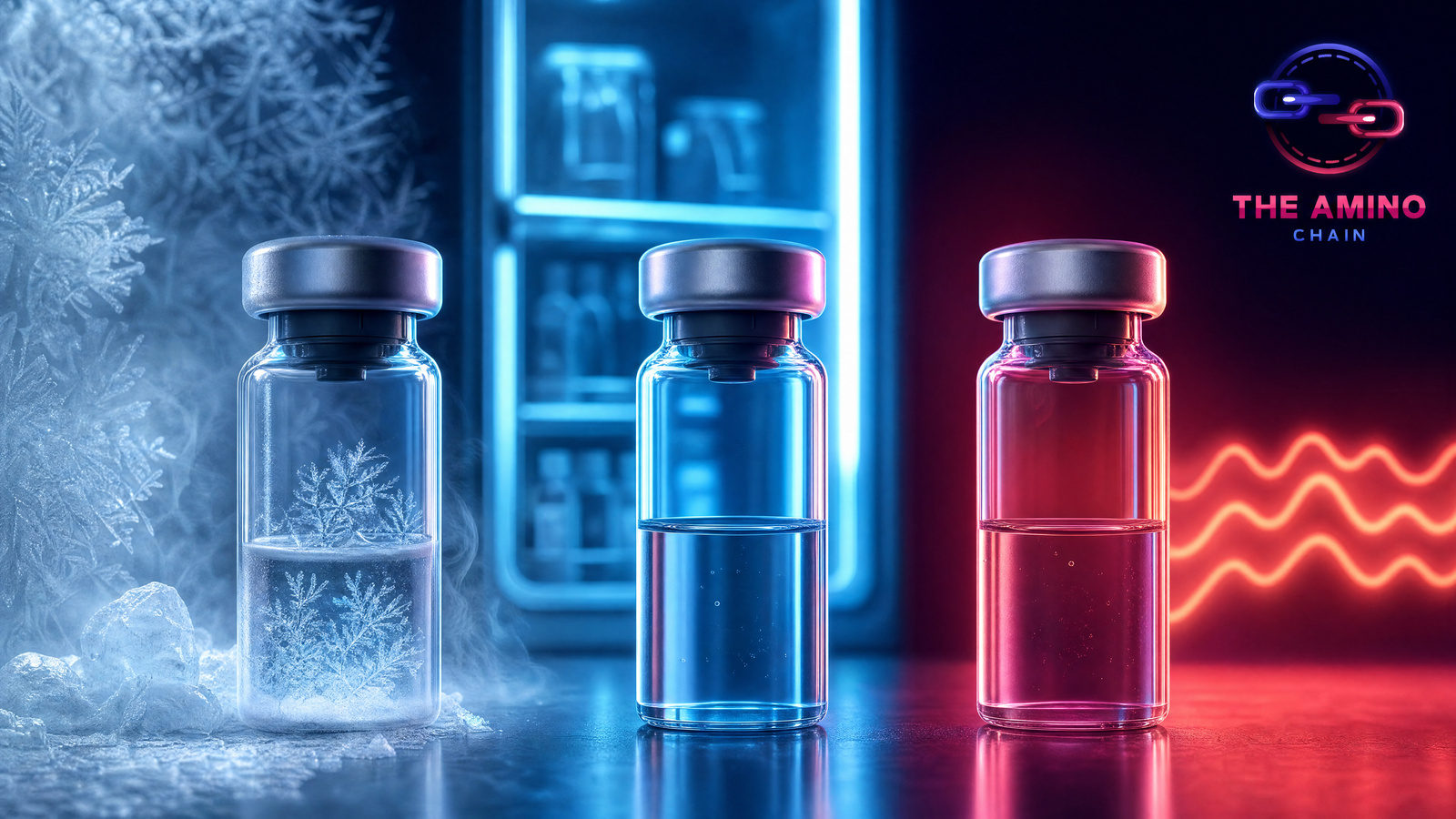
Storage temperature is the single most controllable factor affecting peptide stability. Yet confusion abounds — should you freeze or refrigerate? Does it matter for lyophilized vs reconstituted peptides? This guide provides clear, practical answers based on degradation science and real-world laboratory experience.
The Chemistry of Temperature-Dependent Degradation
Chemical degradation follows the Arrhenius equation: reaction rates approximately double for every 10 degree Celsius increase in temperature. For peptides, this means a compound stored at 25 degrees (room temperature) degrades roughly 4-8 times faster than the same compound at 4 degrees (refrigerator). At -20 degrees (freezer), most chemical degradation pathways are effectively halted.
Lyophilized Peptides: Freezer Is Best
Lyophilized (freeze-dried) peptides in sealed vials are the most stable form. The absence of water eliminates hydrolysis — the most common degradation pathway. For long-term storage (months to years), store at -20 degrees Celsius in a standard laboratory freezer.
For near-term storage (weeks to a few months), refrigerator temperature (2-8 degrees) is acceptable. The key is keeping the vial sealed to prevent moisture absorption. A lyophilized peptide that absorbs ambient humidity begins degrading even without being formally reconstituted.
Room temperature storage is not recommended for long periods but is tolerable for shipping (3-5 days) and brief bench time during experiments.
Reconstituted Peptides: Refrigerator Only
Once reconstituted, peptides should be stored at 2-8 degrees Celsius and used within 3-4 weeks. The reintroduction of water reactivates hydrolysis pathways, and dissolved oxygen enables oxidation reactions. Refrigeration slows both processes dramatically.
Do not routinely freeze reconstituted peptides. Ice crystal formation during freezing concentrates the peptide and creates mechanical stress that promotes aggregation. If you must freeze reconstituted material, aliquot into single-use volumes first and never refreeze a thawed aliquot.
The Freeze-Thaw Problem
Each freeze-thaw cycle damages peptides through two mechanisms. First, ice crystal formation physically disrupts peptide structure. Second, as water freezes, the peptide is concentrated into small liquid channels between ice crystals, dramatically increasing local concentration and promoting aggregation.
Published studies have documented measurable purity loss after just 3-5 freeze-thaw cycles for many peptides. The solution is simple: aliquot before freezing so each tube is thawed only once.
Light and Container Considerations
Peptides containing tryptophan, tyrosine, or phenylalanine are photosensitive. UV light from fluorescent lighting or sunlight accelerates oxidative degradation. Store in amber vials or wrap clear vials in foil.
Glass vials are preferred over plastic. Peptides can adsorb to plastic surfaces, reducing effective concentration. If using plastic tubes for aliquots, choose low-binding polypropylene.
Practical Temperature Protocol
Receive shipment — inspect, then immediately store lyophilized vials at -20 degrees. When ready to use, move one vial to refrigerator to equilibrate for 30 minutes. Reconstitute with bacteriostatic water. Aliquot if needed. Store reconstituted vial at 2-8 degrees. Use within 3-4 weeks. Record everything.