Peptides and Blood Sugar: How Research Compounds Influence Glucose, Insulin, and Metabolic Health
Blood sugar regulation affects every cell in the body. Published research reveals how multiple peptide classes — from incretins to mitochondrial peptides to growth hormone secretagogues — influence glucose metabolism through distinct mechanisms.
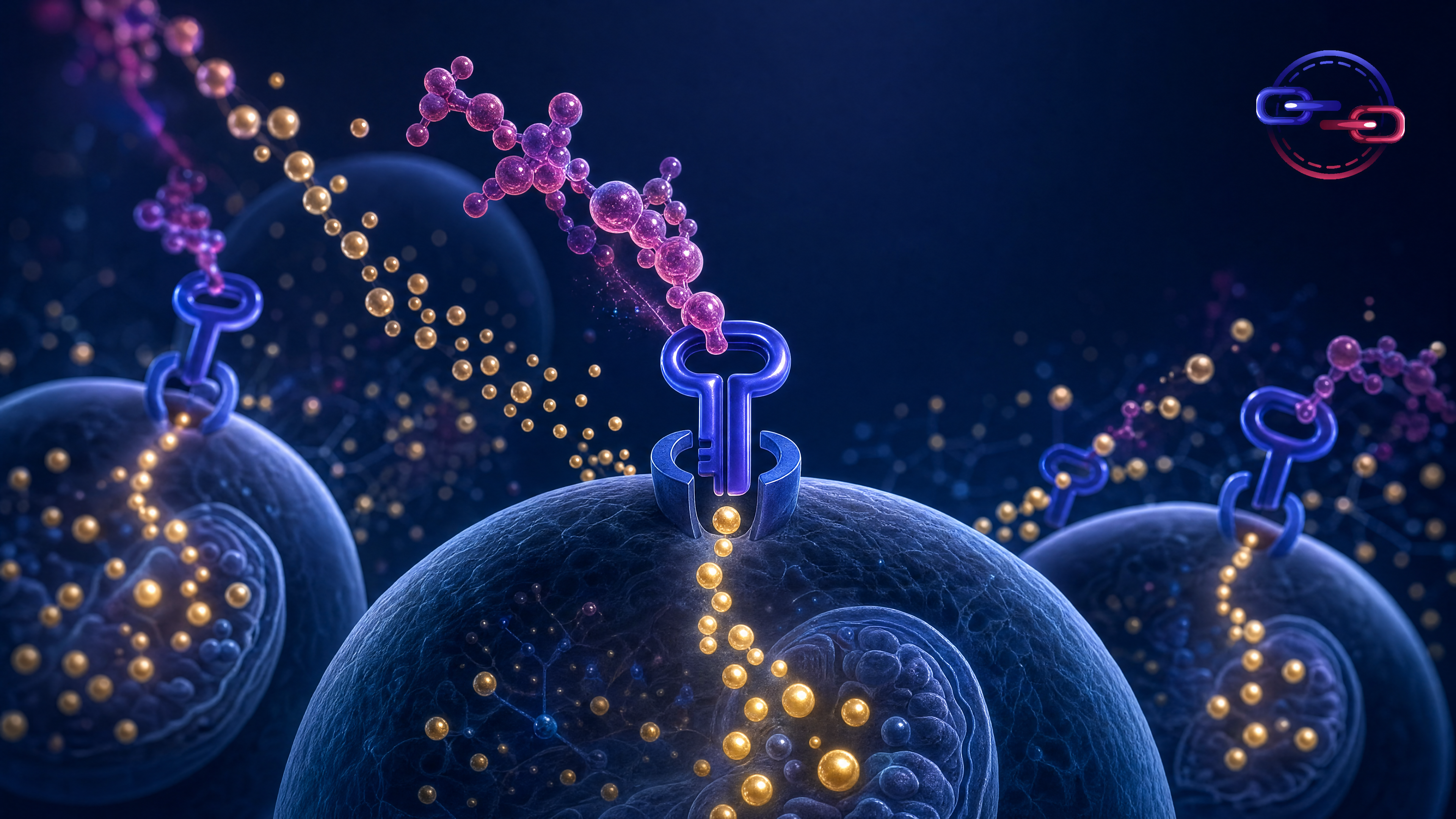
Blood sugar regulation is not just relevant to diabetics — it affects energy levels, body composition, inflammation, cognitive function, and long-term disease risk in everyone. The system that maintains blood glucose within a narrow range (70-140 mg/dL) involves dozens of hormones, signaling peptides, and regulatory mechanisms. Multiple classes of research peptides interact with glucose metabolism, and understanding these interactions is essential for researchers working with any metabolically active compound.
The Glucose Regulation System
Blood glucose is maintained through a balance of glucose input (dietary absorption, hepatic glucose production) and glucose removal (cellular uptake, glycogen storage, oxidation). Insulin — released by pancreatic beta cells in response to rising blood glucose — drives glucose uptake into muscle, fat, and liver cells. Glucagon — released by pancreatic alpha cells when glucose drops — mobilizes hepatic glucose stores. Incretins (GLP-1, GIP) amplify insulin secretion in response to oral glucose. And cortisol, growth hormone, and catecholamines all influence glucose metabolism under stress conditions.
Incretin Peptides: Direct Glucose Management
Retatrutide and tirzepatide have the most direct effects on glucose metabolism among research peptides. GLP-1 receptor activation enhances glucose-dependent insulin secretion, suppresses glucagon release, and slows gastric emptying (reducing post-meal glucose spikes). GIP receptor activation provides additional insulin-secretory stimulus through a complementary intracellular pathway. Published clinical data showed HbA1c reductions of 2.0-2.6% with tirzepatide — representing substantial improvement in overall glucose control.
The glucose-dependent nature of incretin-mediated insulin secretion is critical: these peptides amplify insulin release only when blood glucose is elevated, providing inherent protection against hypoglycemia. This distinguishes them from sulfonylureas and exogenous insulin, which stimulate insulin release regardless of ambient glucose.
Growth Hormone Secretagogues and Glucose
CJC-1295/Ipamorelin's stimulation of growth hormone release has glucose-relevant effects that researchers should understand. Growth hormone is a counter-regulatory hormone — it opposes insulin's glucose-lowering effects by promoting hepatic glucose production and reducing peripheral glucose uptake. Published research on GH secretagogues showed modest increases in fasting glucose and insulin resistance, particularly at higher doses.
This GH-mediated insulin resistance is generally mild and transient, but it's relevant for researchers with pre-existing insulin resistance or metabolic syndrome. The long-term metabolic impact may be offset by GH's positive effects on body composition (increased lean mass, decreased fat mass improve insulin sensitivity) — but the acute glucose-raising effect is real and documented.
MOTS-c: The Metabolic Regulator
MOTS-c's published effects on glucose metabolism are among its most striking features. The mitochondrial-derived peptide improved glucose tolerance and insulin sensitivity in both lean and obese animal models. The mechanism involves AMPK activation, which promotes glucose uptake in skeletal muscle through insulin-independent pathways (GLUT4 translocation without insulin signaling). This insulin-independent glucose uptake is particularly relevant for insulin-resistant states where the normal insulin signaling cascade is impaired.
BPC-157 and Metabolic Effects
BPC-157's metabolic effects are less characterized than its tissue healing effects, but published research has documented interactions with glucose-regulating systems. BPC-157's modulation of the NO system may influence hepatic glucose production and peripheral glucose uptake, as NO signaling plays a role in both processes. Published data also showed BPC-157 influenced the dopamine system — and central dopamine signaling participates in glucose homeostasis through hypothalamic-autonomic pathways.
Fasting, Peptides, and Glucose
Many peptide protocols involve fasting windows — either because the peptide is administered during fasting or because GH secretagogues are taken on an empty stomach for optimal GH response. Fasting itself affects glucose metabolism: liver glycogen depletion, increased fatty acid oxidation, and shifting hormonal balance toward glucagon dominance. Understanding how fasting-state glucose metabolism interacts with peptide effects is practically relevant for protocol design.
Monitoring Recommendations
Researchers using metabolically active peptides — particularly incretin agonists and GH secretagogues — should consider baseline and periodic glucose monitoring. Fasting glucose, post-prandial glucose, and HbA1c provide different windows into glucose control. Changes in glucose parameters during peptide research may reflect intended effects (incretin-mediated improvement), expected side effects (GH-mediated insulin resistance), or unrelated metabolic changes that should be evaluated independently.