Peptides and the Gut Microbiome: How Research Compounds May Influence Your Trillion-Cell Ecosystem
The gut microbiome contains trillions of organisms that influence immunity, metabolism, and brain function. Published research is beginning to reveal how peptides like BPC-157 and KPV interact with this microbial ecosystem.
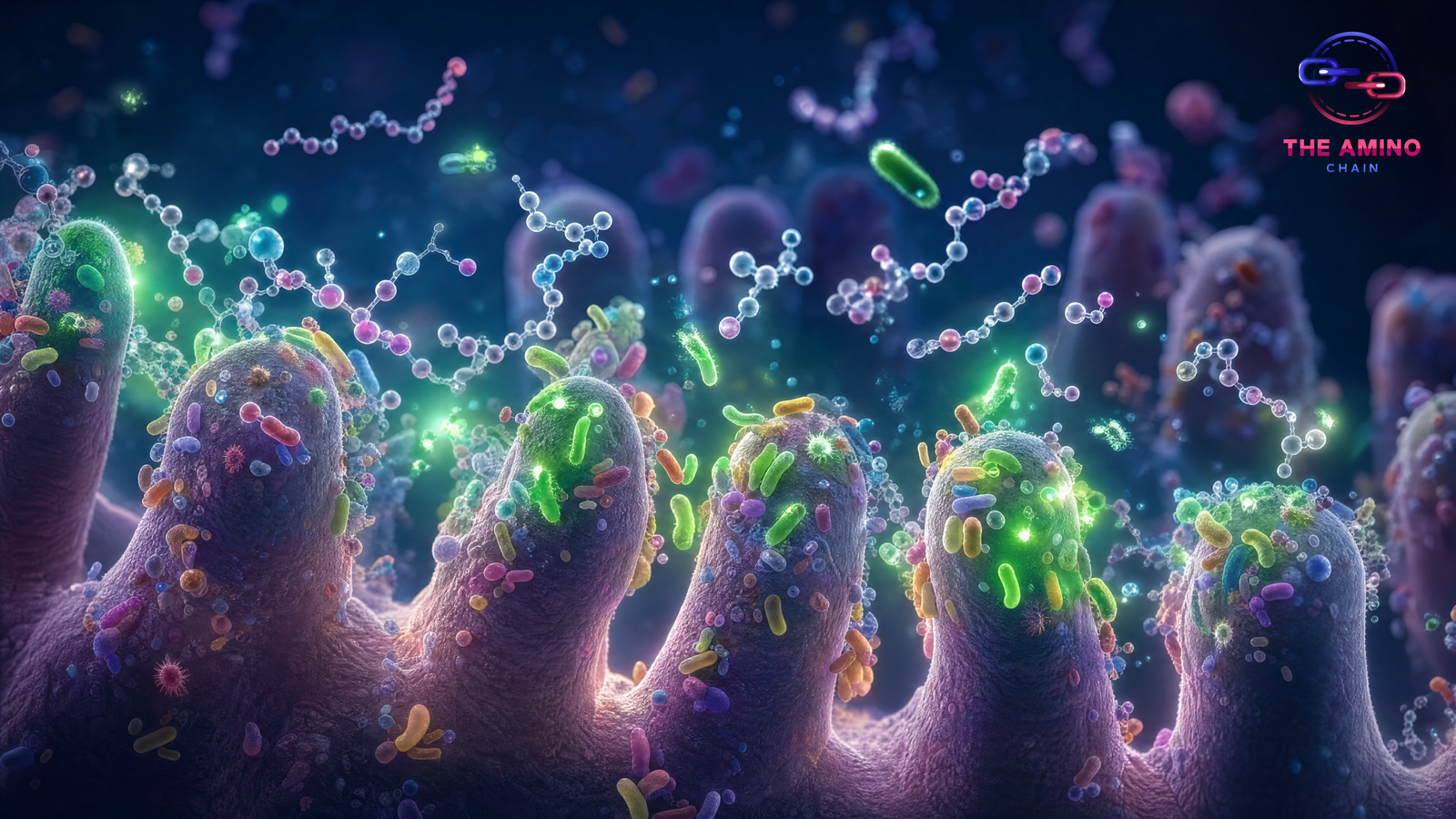
The gut microbiome — the trillions of bacteria, fungi, viruses, and archaea inhabiting the gastrointestinal tract — is increasingly recognized as a critical determinant of health. It influences immune function, metabolic regulation, neurotransmitter production, nutrient absorption, and even mental health through the gut-brain axis. As peptide research expands, an important question emerges: how do research peptides interact with this microbial ecosystem? Published research is beginning to provide answers.
The Microbiome and Immune Function
Approximately 70% of the body's immune tissue resides in the gut-associated lymphoid tissue (GALT). The microbiome trains and modulates this immune system throughout life, influencing the balance between immune activation and tolerance. Dysbiosis — imbalanced microbial communities — is associated with autoimmune disease, inflammatory bowel disease, metabolic syndrome, and even neurological conditions.
Peptides that influence GI biology may interact with the microbiome through several pathways: direct antimicrobial activity against specific bacteria, modulation of the intestinal environment (pH, mucus production, barrier function), effects on immune cell populations that regulate microbial communities, and alterations in nutrient availability that favor or disfavor specific microbial species.
BPC-157 and Microbiome Interactions
BPC-157's extensive GI research provides the most relevant data for microbiome interactions. While no published studies have specifically examined BPC-157's effects on microbiome composition through metagenomic sequencing, the peptide's documented effects on the intestinal environment have clear implications for microbial communities.
BPC-157's protection of intestinal barrier function (tight junction maintenance) influences which microbes and microbial products can cross the epithelial barrier. Its modulation of intestinal inflammation affects the immune surveillance that shapes microbial communities. And its effects on intestinal blood flow and mucosal secretion alter the nutrient and oxygen environment that determines which bacterial species thrive.
Published research on BPC-157 in colitis models showed improvements in inflammatory markers that are closely linked to microbiome disruption. Whether BPC-157 improves outcomes by directly influencing the microbiome or by restoring the intestinal environment that supports a healthy microbiome is an important mechanistic question.
Antimicrobial Peptides and the Microbiome
Peptides with direct antimicrobial activity — LL-37 and KPV — have the most obvious potential for microbiome interaction. LL-37's broad-spectrum antimicrobial activity raises the question of whether it disrupts beneficial bacteria alongside pathogens. Published research suggests that the microbiome can adapt to endogenous antimicrobial peptide levels, and that LL-37 may preferentially target pathogenic species through selectivity for specific membrane compositions.
KPV's anti-inflammatory effects in gut models have been shown to improve outcomes in inflammatory conditions associated with dysbiosis. Whether KPV directly influences microbial composition or improves the intestinal environment to support microbial rebalancing is still being characterized.
GLP-1 Agonists and Gut Bacteria
Published research has shown that GLP-1 receptor agonists alter gut microbiome composition — potentially through effects on gastric emptying, intestinal transit time, and bile acid metabolism. The slowing of gastric emptying and altered intestinal motility change the nutrient exposure time for different gut segments, which can selectively favor or disfavor specific bacterial populations. Whether these microbiome changes contribute to or merely accompany the metabolic effects of GLP-1 agonists is an active area of research.
Oral vs Injectable and Microbiome Exposure
The route of peptide administration determines whether the compound has direct contact with the gut microbiome. Orally administered peptides (like BPC-157, which has documented oral bioactivity) pass through the GI tract and have direct exposure to luminal bacteria. Injectable peptides reach the gut only through systemic circulation and primarily affect the microbiome through indirect mechanisms — altered immune function, intestinal blood flow, or hormonal signaling.
Research Frontier
Peptide-microbiome interactions represent a largely unexplored research frontier. As metagenomic sequencing becomes more accessible and affordable, future research can directly measure how specific peptides alter microbial community composition and function. Understanding these interactions could lead to peptide protocols optimized not just for tissue effects but for microbiome health — recognizing that the two are deeply interconnected.