Understanding Incretin Biology: GLP-1, GIP, and Glucagon
The incretin system is at the center of the most exciting peptide research in a decade. This primer explains the biology of GLP-1, GIP, and glucagon signaling — and why targeting all three matters.
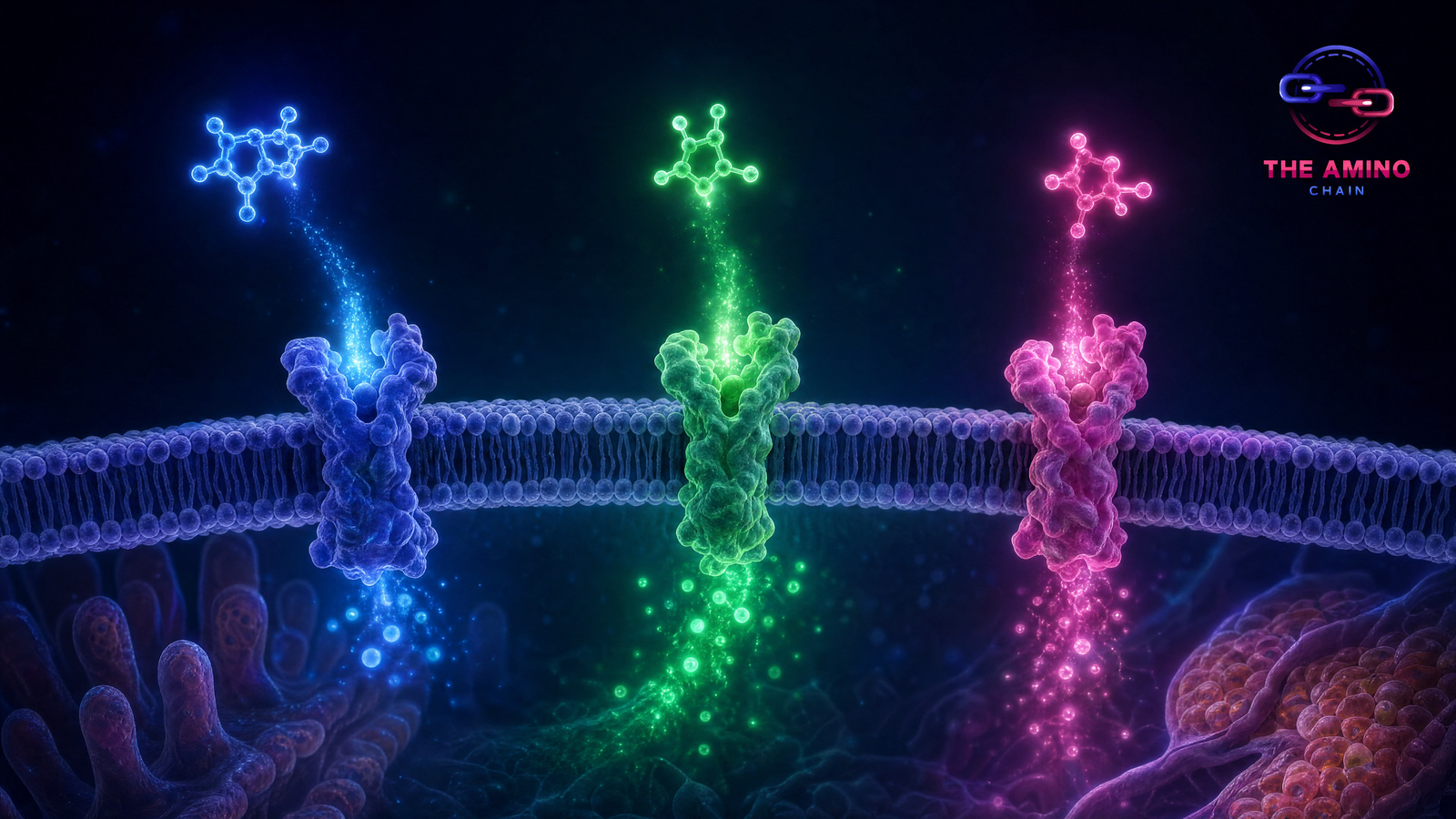
The incretin system — a hormonal network linking gut, pancreas, brain, and adipose tissue — has become the most intensely researched area in peptide science. Understanding the biology of GLP-1, GIP, and glucagon is essential context for anyone following the evolution from single agonists to the triple agonist compounds generating unprecedented clinical results.
What Are Incretins?
Incretins are gut hormones released after eating that enhance insulin secretion in a glucose-dependent manner. The term comes from INtestine seCRETion INsulin — these hormones amplify the pancreatic insulin response to a meal beyond what glucose alone would trigger. This amplification effect is called the incretin effect, and it accounts for approximately 50-70% of the total insulin response to oral glucose in healthy individuals.
Two hormones mediate the incretin effect: GLP-1 (glucagon-like peptide-1) and GIP (glucose-dependent insulinotropic polypeptide).
GLP-1: The First Target
GLP-1 is produced by intestinal L-cells primarily in the distal small intestine and colon. Upon release, it acts on GLP-1 receptors in multiple tissues. In pancreatic beta cells, it potentiates glucose-stimulated insulin secretion. In the stomach, it slows gastric emptying. In the hypothalamus, it reduces appetite through central satiety signaling.
Natural GLP-1 has a half-life of approximately 2 minutes due to rapid degradation by the enzyme DPP-4. This extremely short half-life drove the development of DPP-4-resistant analogs with extended duration — the GLP-1 receptor agonist drug class that has transformed metabolic medicine.
GIP: The Overlooked Partner
GIP is produced by intestinal K-cells primarily in the duodenum and jejunum. For decades, GIP was considered a less interesting target than GLP-1 because early studies suggested GIP signaling was impaired in metabolic disease. This perception changed dramatically when dual GIP/GLP-1 agonists showed clinical results exceeding those of GLP-1 single agonists.
GIP receptor activation complements GLP-1 through distinct mechanisms: enhancing beta cell insulin secretion via different intracellular signaling cascades, influencing lipid metabolism in adipose tissue, and potentially affecting bone mineral density through osteoblast GIP receptors.
Glucagon: The Counter-Regulatory Hormone
Glucagon, produced by pancreatic alpha cells, has traditionally been viewed as the antagonist to insulin — it raises blood glucose by promoting hepatic glycogenolysis and gluconeogenesis. Adding glucagon receptor agonism to an incretin compound seemed counterintuitive until researchers recognized that controlled glucagon signaling also increases hepatic energy expenditure and promotes fatty acid oxidation.
This metabolic effect — increased energy burning rather than just glucose regulation — is what makes triple agonists uniquely powerful. They combine the glucose-lowering and appetite-suppressing effects of GLP-1/GIP with the energy expenditure effects of glucagon.
The Multi-Agonist Rationale
The progression from single to dual to triple agonists reflects a deepening understanding of metabolic biology. Each receptor system contributes distinct effects, and combining them produces outcomes that exceed simple additivity — true pharmacological synergy. This principle is likely to influence peptide research well beyond the metabolic field.