Why HPLC Purity Matters More Than You Think
The difference between 95% and 99% purity might seem small, but the implications for research reproducibility are enormous. Here is why HPLC purity should be your first question when sourcing peptides.
When researchers compare peptide suppliers, purity is often the first specification they check. But what does the difference between 95% and 99% actually mean for your experiments? The answer involves more than just numbers — it concerns the nature of the impurities, their potential biological activity, and the reproducibility of your results.
What the Numbers Actually Mean
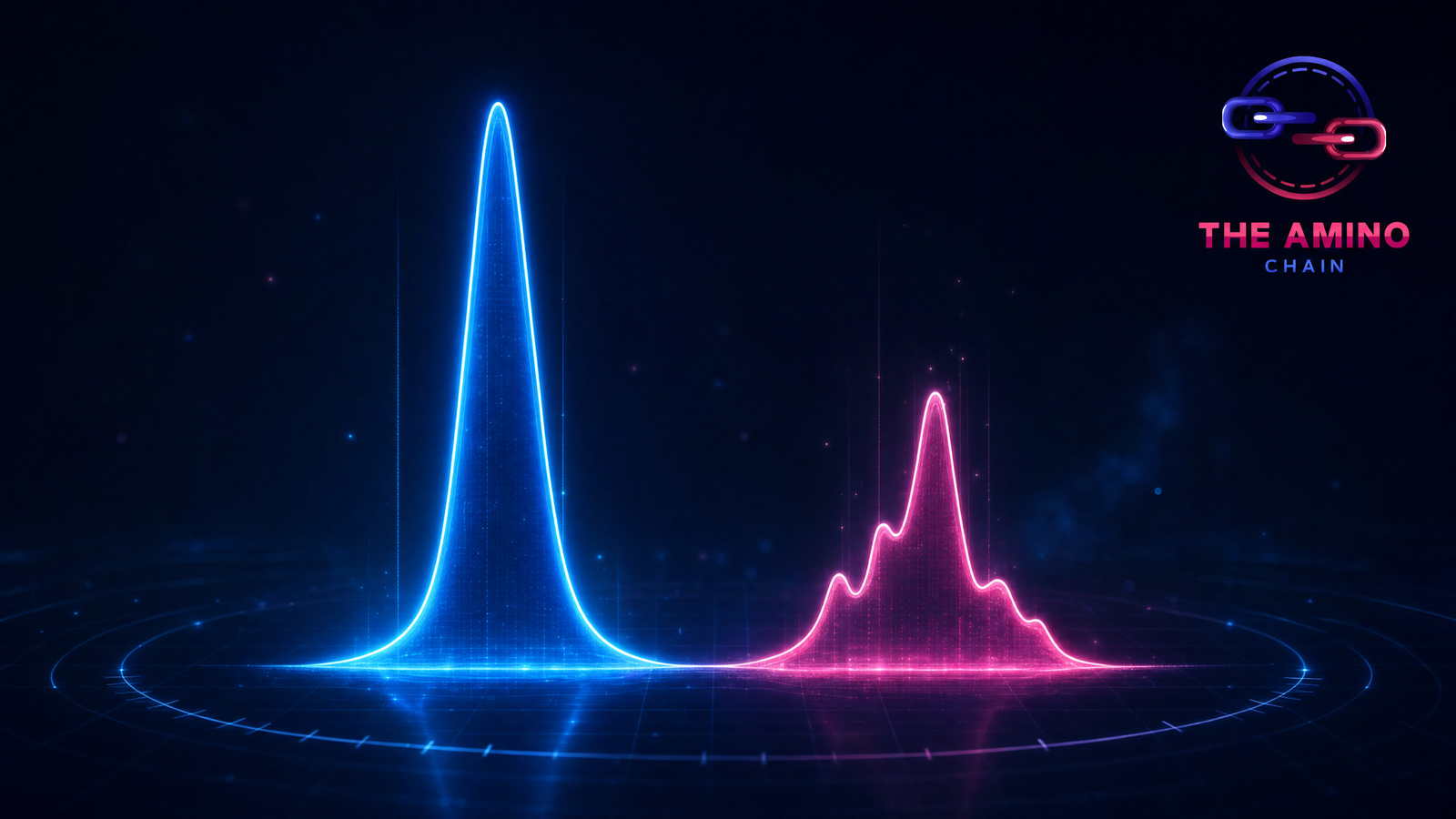
HPLC purity represents the percentage of your sample that is the target peptide, as measured by the area under the main chromatographic peak relative to all detected peaks. A 99% pure peptide contains 99% target compound and 1% impurities. A 95% pure peptide contains 5% impurities — five times more.
But the significance goes beyond simple proportions. The nature of those impurities matters enormously.
What Are the Impurities?
Impurities in synthetic peptides fall into several categories. Truncated sequences are shorter versions of your peptide where synthesis terminated prematurely. Deletion peptides are missing one or more amino acids from the intended sequence. Oxidized forms have undergone chemical modification of susceptible residues. Residual reagents include trace amounts of coupling agents, protecting groups, and solvents from the synthesis process.
Each category presents different risks. Truncated sequences may have partial biological activity, potentially producing confounding effects in your assays. Deletion peptides may bind to the same receptor but with different affinity or efficacy. Oxidized forms may be inactive, effectively diluting your active compound.
The Reproducibility Problem
Here is where purity becomes critical for research. If you are working with 95% pure peptide, 5% of your sample is doing something other than what you intend. In a dose-response experiment, those impurities shift your curve. In a binding assay, they compete for receptor sites. In a cell-based assay, they may trigger signaling pathways you are not measuring.
Worse, the impurity profile varies between batches. A 95% pure batch from one synthesis run will have different impurities than a 95% pure batch from another run. This introduces an uncontrolled variable that makes results difficult to reproduce across experiments.
The 99% Standard
At 99% or higher purity, impurity-related variability drops to negligible levels for most research applications. The 1% impurity content is unlikely to produce measurable biological effects in standard assay systems. And because the impurity content is so small, batch-to-batch variability in the impurity profile has minimal impact on results.
This is why leading research groups and peer-reviewed publications increasingly specify 98% or higher purity as a minimum standard for peptide reagents.
Verifying Purity Claims
A purity number without supporting data is just a claim. Always request the HPLC chromatogram — the actual graph showing the separation of your peptide from its impurities. Look for a dominant main peak with minimal surrounding peaks. Check that the baseline is clean and stable. And confirm that the mass spectrometry data matches the expected molecular weight for your target peptide.