Apelin: The Cardiovascular Peptide That Strengthens the Heart, Lowers Blood Pressure, and Improves Metabolism
Apelin is an endogenous peptide that acts through the APJ receptor to produce some of the strongest cardiovascular protective effects documented for any peptide. Published research spans heart failure, hypertension, diabetes, and aging.
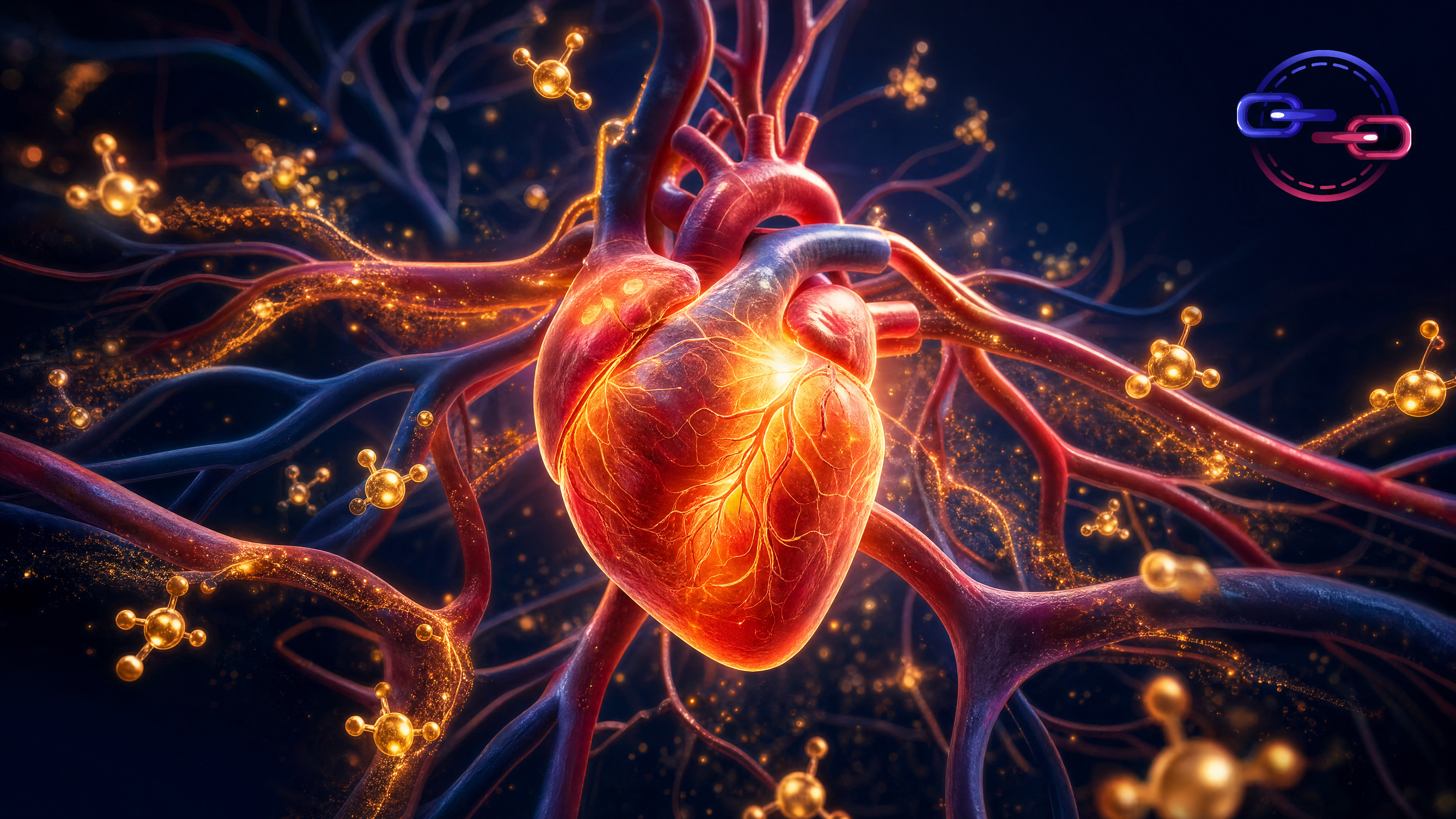
Apelin was discovered in 1998 as the endogenous ligand for the APJ receptor — a G-protein coupled receptor that had been identified years earlier as an "orphan receptor" without a known activator. What followed was a cascade of published research revealing apelin as one of the most potent cardiovascular peptides in human biology. Apelin strengthens cardiac contractility, dilates blood vessels, reduces blood pressure, improves insulin sensitivity, and promotes angiogenesis — a cardiovascular profile that has generated intense research interest for heart failure, hypertension, and metabolic disease.
Forms and Structure
Apelin exists in multiple active forms derived from a 77-amino acid precursor (preproapelin). Enzymatic processing produces several bioactive fragments: apelin-36, apelin-17, apelin-13, and the pyroglutamated form pyr-apelin-13. All forms activate the APJ receptor, but with different potencies and pharmacokinetic profiles. Apelin-13 and pyr-apelin-13 are the most potent forms and the most commonly used in published research. The shorter fragments have stronger receptor binding but shorter half-lives.
Cardiac Inotropic Effects
Published research demonstrated that apelin is one of the strongest known endogenous positive inotropes — substances that increase the force of cardiac contraction. Apelin increases cardiac output through enhanced contractility without increasing heart rate or oxygen consumption — a hemodynamic profile that distinguishes it from catecholamines (which increase contractility but also increase heart rate and oxygen demand). This efficient inotropic effect makes apelin particularly interesting for heart failure research, where the heart needs to pump more forcefully without additional metabolic stress.
The mechanism involves APJ receptor activation on cardiomyocytes, triggering phospholipase C signaling and increased intracellular calcium release — enhancing the calcium transient that drives muscle contraction. Published studies showed improved cardiac function in heart failure models treated with apelin or apelin analogs.
Vasodilation and Blood Pressure
Apelin produces endothelium-dependent vasodilation through nitric oxide release. APJ receptors on endothelial cells activate eNOS, producing NO that relaxes vascular smooth muscle. Published research showed apelin reduces blood pressure in hypertensive models while having minimal effect on normotensive subjects — suggesting a modulatory rather than universally hypotensive mechanism.
The combination of increased cardiac contractility AND reduced afterload (through vasodilation) is particularly favorable for heart failure — the heart pumps more effectively against less resistance. Few pharmacological agents achieve both effects simultaneously.
Metabolic Effects
Published research revealed apelin's involvement in glucose metabolism and insulin sensitivity. Apelin promotes glucose uptake in skeletal muscle through AMPK-dependent GLUT4 translocation — the same insulin-independent mechanism documented for MOTS-c. Apelin also reduces adipose tissue inflammation, improves adipokine profiles, and enhances mitochondrial function in metabolically active tissues.
Circulating apelin levels are altered in metabolic disease — initially elevated in early obesity (possibly as a compensatory response) and declining in advanced diabetes. This dynamic pattern suggests apelin signaling plays a role in metabolic adaptation to energy excess.
Angiogenesis
Apelin is a potent angiogenic factor, promoting new blood vessel formation through APJ receptor activation on endothelial cells. Published research showed apelin-driven angiogenesis in cardiac tissue (relevant to post-infarction recovery), skeletal muscle (relevant to exercise adaptation), and retinal vasculature. The angiogenic property adds another dimension to apelin's cardiovascular profile — supporting tissue vascularization alongside its hemodynamic effects.
Age-Related Decline
Like many bioactive peptides, circulating apelin levels decline with age. Published studies showed reduced apelin expression in aged hearts, correlating with age-related decline in cardiac function. Administration of apelin to aged animals improved cardiac function and exercise capacity — suggesting that age-related apelin decline contributes to cardiovascular aging and may be therapeutically addressable.
Research Status
Apelin research is primarily preclinical, with growing interest in developing stable apelin analogs for clinical applications. The native peptide's short half-life (minutes) limits clinical utility, but modified analogs with extended duration are under development. The breadth of cardiovascular, metabolic, and age-related effects makes apelin one of the most promising cardiovascular peptide targets in current research.