Substance P: The Pain Peptide That Also Drives Inflammation, Mood, and Wound Healing
Substance P is best known for transmitting pain signals, but published research reveals roles in inflammation, depression, wound healing, and immune function. Understanding this 11-amino acid peptide changes how we think about pain biology.
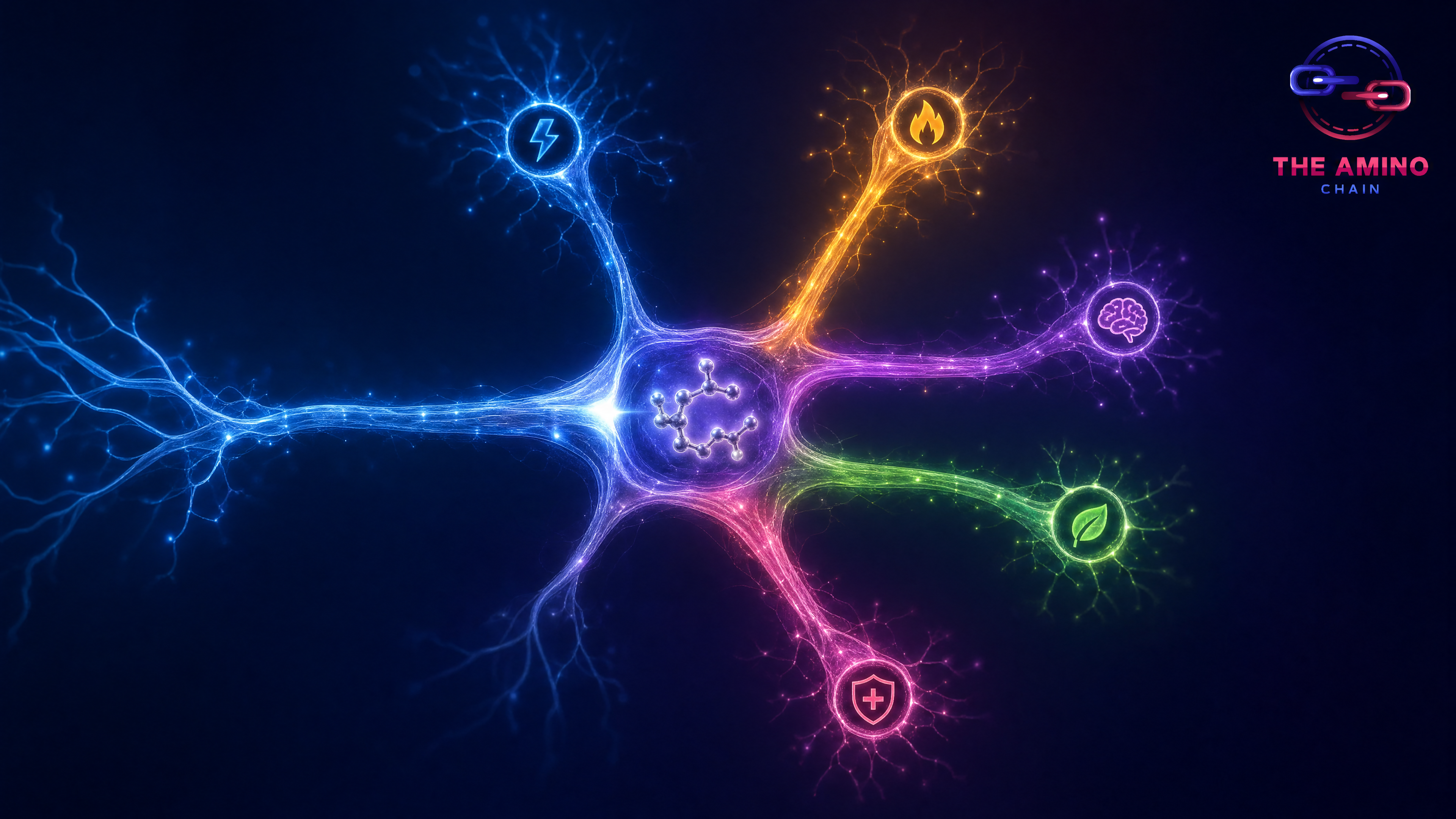
Substance P was one of the first neuropeptides ever discovered — identified in 1931 from horse brain and intestine extracts. This 11-amino acid peptide (Arg-Pro-Lys-Pro-Gln-Gln-Phe-Phe-Gly-Leu-Met) acts primarily through the neurokinin-1 receptor (NK1R) and is best known as a pain neurotransmitter. But published research over nine decades has revealed that Substance P is far more than a pain signal — it mediates neurogenic inflammation, influences mood and anxiety, promotes wound healing, and modulates immune responses.
Pain Transmission
Substance P is released from the central terminals of sensory neurons in the spinal cord dorsal horn, where it transmits pain signals from the periphery to the central nervous system. When you stub your toe, peripheral sensory neurons fire action potentials that travel to the spinal cord. At the spinal synapse, these neurons release Substance P (along with glutamate and CGRP), which activates NK1 receptors on second-order neurons that relay the pain signal to the brain.
Published research showed Substance P is particularly involved in slow, burning, persistent pain (C-fiber mediated) rather than sharp, immediate pain (A-delta fiber mediated). This is why NK1R antagonists were developed as potential painkillers — blocking Substance P signaling to reduce chronic pain.
Neurogenic Inflammation
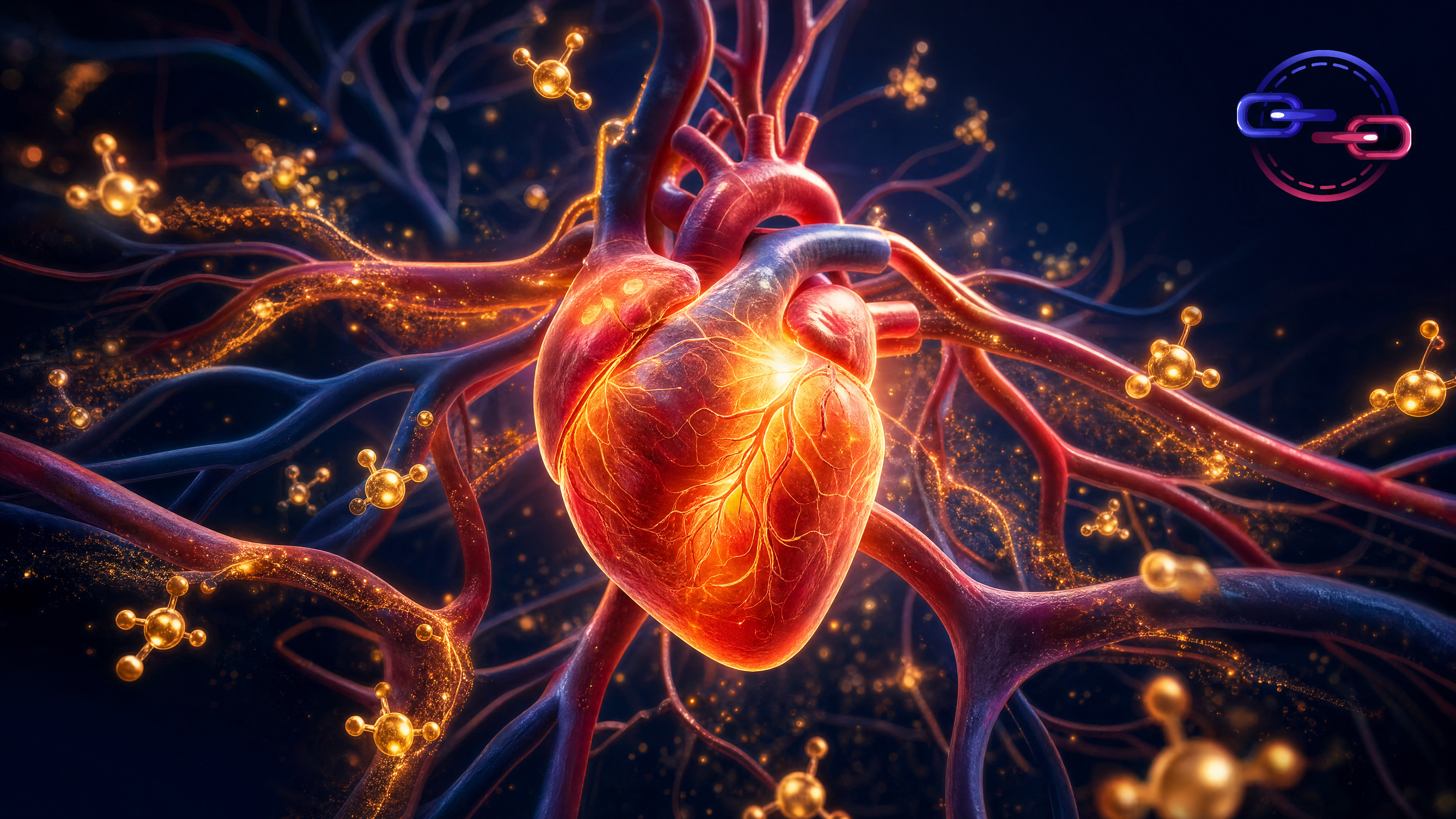
Substance P has a unique property among neurotransmitters: antidromic release. Sensory neurons can release Substance P not only at their central terminals (in the spinal cord) but also at their peripheral terminals (in the skin, joints, airways). This peripheral release causes neurogenic inflammation — vasodilation, increased vascular permeability, edema, and immune cell recruitment directly driven by nervous system activity rather than immune activation.
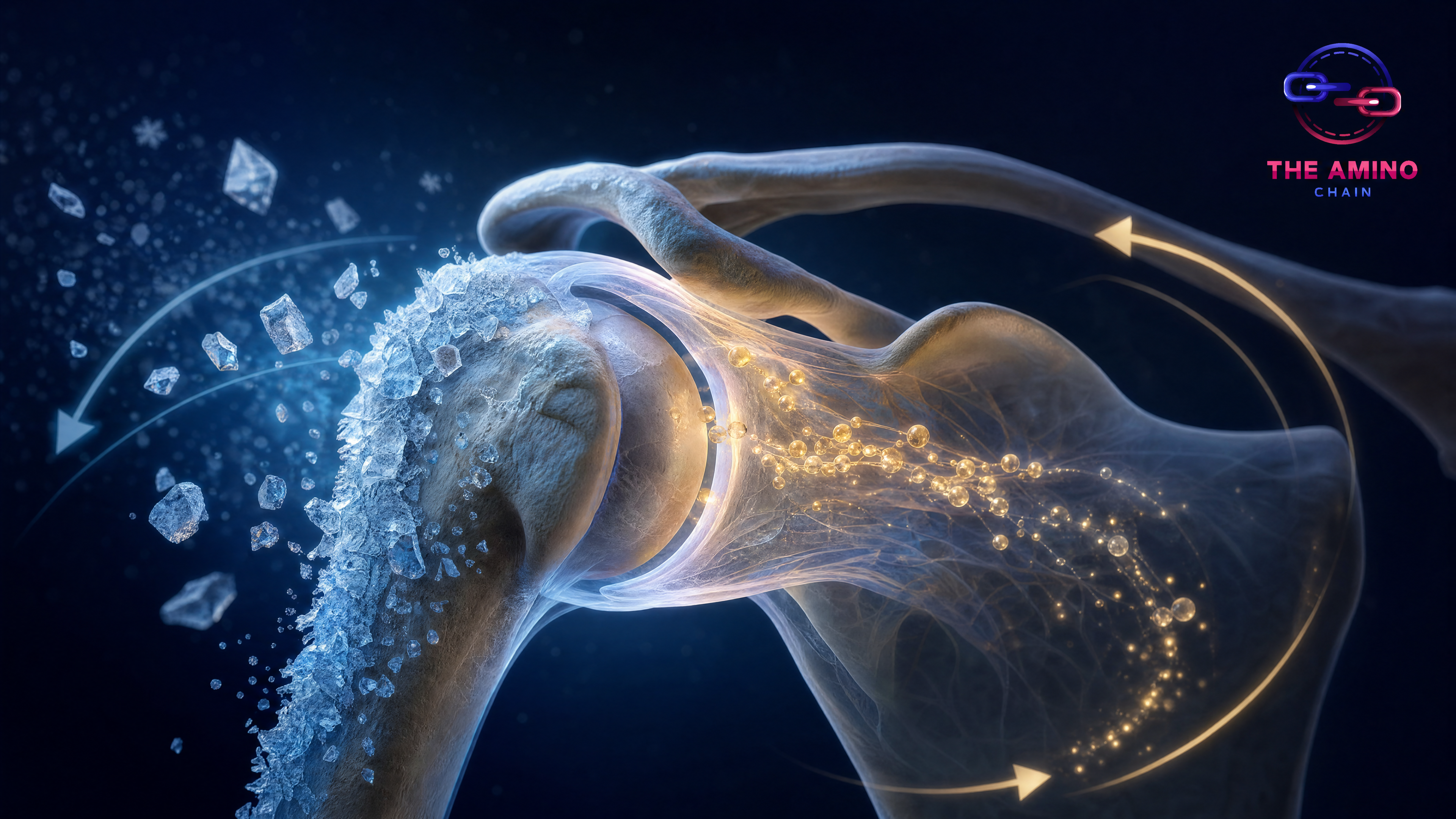
Neurogenic inflammation explains many clinical phenomena: why stress worsens skin conditions (Substance P released from cutaneous sensory nerves), why migraines involve both head pain and inflammation, and why certain joint conditions have an inflammatory component driven by nerve activity rather than immune dysfunction.
Depression and Mood
Published research revealed elevated Substance P levels in the cerebrospinal fluid of patients with major depression. NK1R is expressed in brain regions involved in emotional processing — the amygdala, hippocampus, and prefrontal cortex. NK1R antagonists showed antidepressant effects in early clinical trials, though later trials produced mixed results. The Substance P/NK1R system remains an active area of depression research, representing a non-monoaminergic approach to mood disorders.
Wound Healing
Despite its association with pain and inflammation, Substance P plays a constructive role in wound healing. Published research showed Substance P promotes fibroblast proliferation, stimulates angiogenesis, enhances keratinocyte migration, and modulates the inflammatory phase of wound repair. Diabetic wounds — which heal poorly — show reduced Substance P levels, and Substance P application improved healing in diabetic wound models.
Immune Modulation
NK1R is expressed on multiple immune cell types including macrophages, T-cells, dendritic cells, and mast cells. Published research showed Substance P enhances pro-inflammatory cytokine production, promotes T-cell proliferation, and stimulates mast cell degranulation. This neuroimmune connection — the nervous system directly modulating immune responses through Substance P — is a key mechanism in the psychoneuroimmunology field.
Research Perspective
Substance P research is primarily focused on NK1R antagonism (blocking Substance P signaling) rather than on exogenous Substance P administration. The therapeutic interest is in reducing excessive Substance P activity in chronic pain, inflammatory conditions, and mood disorders. Understanding Substance P biology helps researchers comprehend the neuroimmune connections that other research peptides (BPC-157, Selank, KPV) also influence through different mechanisms.