BPC-157 and Alcohol Damage: Research on Gastric, Liver, and Brain Effects of Alcohol Exposure
Alcohol damages virtually every organ system. Published BPC-157 research spans alcohol's effects on the stomach, liver, brain, and peripheral tissues — examining protective and recovery-promoting properties.
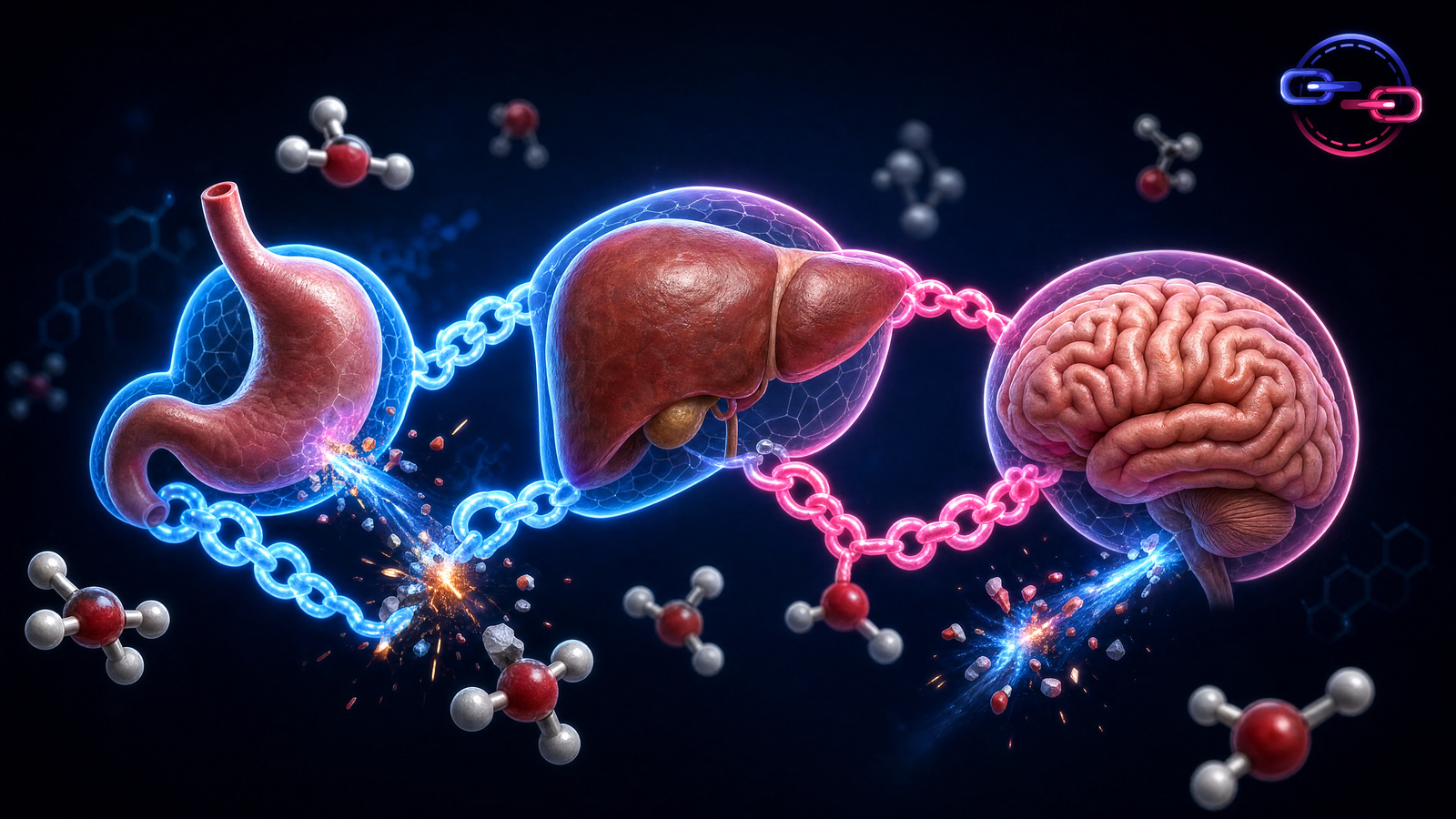
Alcohol is one of the most studied toxins in BPC-157 research — and for good reason. Ethanol damages the GI tract, liver, brain, cardiovascular system, and peripheral nerves through multiple overlapping mechanisms. Published studies have examined BPC-157's effects against alcohol-induced damage in virtually every organ system that ethanol harms, making this one of the most comprehensive areas of BPC-157 investigation.
Alcohol and the Stomach
Acute alcohol exposure causes direct damage to the gastric mucosa through disruption of the mucous-bicarbonate barrier, increased acid back-diffusion, and direct epithelial cell toxicity. Chronic alcohol use leads to chronic gastritis — persistent inflammation that can progress to atrophy and increased cancer risk.
Ethanol-induced gastric lesion models were among the earliest experimental systems used to study BPC-157, and the results are among the most consistent in the entire BPC-157 literature. Published studies demonstrate dose-dependent protection against ethanol-induced gastric damage, with reduced lesion severity, faster healing, and improved mucosal blood flow in treated animals.
Alcohol and the Liver
Alcoholic liver disease progresses through stages: steatosis (fatty liver), alcoholic hepatitis (inflammation), fibrosis (scarring), and ultimately cirrhosis (irreversible structural damage). Published BPC-157 research in alcohol-induced liver damage models showed hepatoprotective effects at multiple stages of this progression, with reductions in liver enzyme elevations and improvements in histological damage scores.
The gut-liver axis is particularly relevant here. Chronic alcohol use increases intestinal permeability, allowing bacterial endotoxins to enter the portal circulation and activate hepatic inflammatory cascades. BPC-157's dual protection of both gut barrier function and liver tissue addresses this pathological connection from both directions simultaneously.
Alcohol and the Brain
Chronic alcohol affects virtually every neurotransmitter system — enhancing GABA (inhibitory) signaling, suppressing glutamate (excitatory) signaling, and disrupting dopamine and serotonin pathways. When alcohol is abruptly withdrawn, the compensatory upregulation of excitatory systems produces the dangerous withdrawal syndrome: anxiety, tremors, seizures, and potentially fatal delirium tremens.
Published BPC-157 research has examined the peptide's effects in alcohol withdrawal models, demonstrating reductions in withdrawal severity. The mechanism likely involves the peptide's documented interactions with multiple neurotransmitter systems — particularly the GABAergic system that is most disrupted during alcohol withdrawal.
Alcohol and Blood Vessels
Alcohol affects the cardiovascular system through multiple mechanisms: direct cardiomyocyte toxicity, disruption of endothelial function, alterations in blood pressure regulation, and promotion of arrhythmias. Published BPC-157 cardiovascular research — spanning blood pressure modulation, anti-arrhythmic effects, and vascular repair — is relevant to alcohol's cardiovascular damage profile.
The NO Connection to Alcohol Damage
Alcohol disrupts NO signaling in multiple organ systems. In the liver, chronic alcohol use shifts NO production from protective eNOS to inflammatory iNOS, contributing to hepatic injury. In blood vessels, alcohol-induced endothelial dysfunction reduces eNOS activity. In the brain, NO dysregulation contributes to neuronal damage. BPC-157's bidirectional NO modulation is positioned to address this multi-organ NO disruption.
Research Context
BPC-157's alcohol research is significant for its breadth — few single compounds have been studied against alcohol's effects across so many organ systems in the published literature. However, all data is preclinical. Alcohol use disorder and its medical consequences require comprehensive clinical management. BPC-157 research provides biological insights but is not a substitute for evidence-based treatment of alcohol-related conditions.