BPC-157 and the Dopamine System: Published Research on Neurotransmitter Modulation and Behavioral Effects
BPC-157's effects extend beyond tissue healing into neuropharmacology. Published research on dopamine receptor modulation, dopamine turnover, and behavioral outcomes reveals a surprising CNS profile for a gastric peptide.
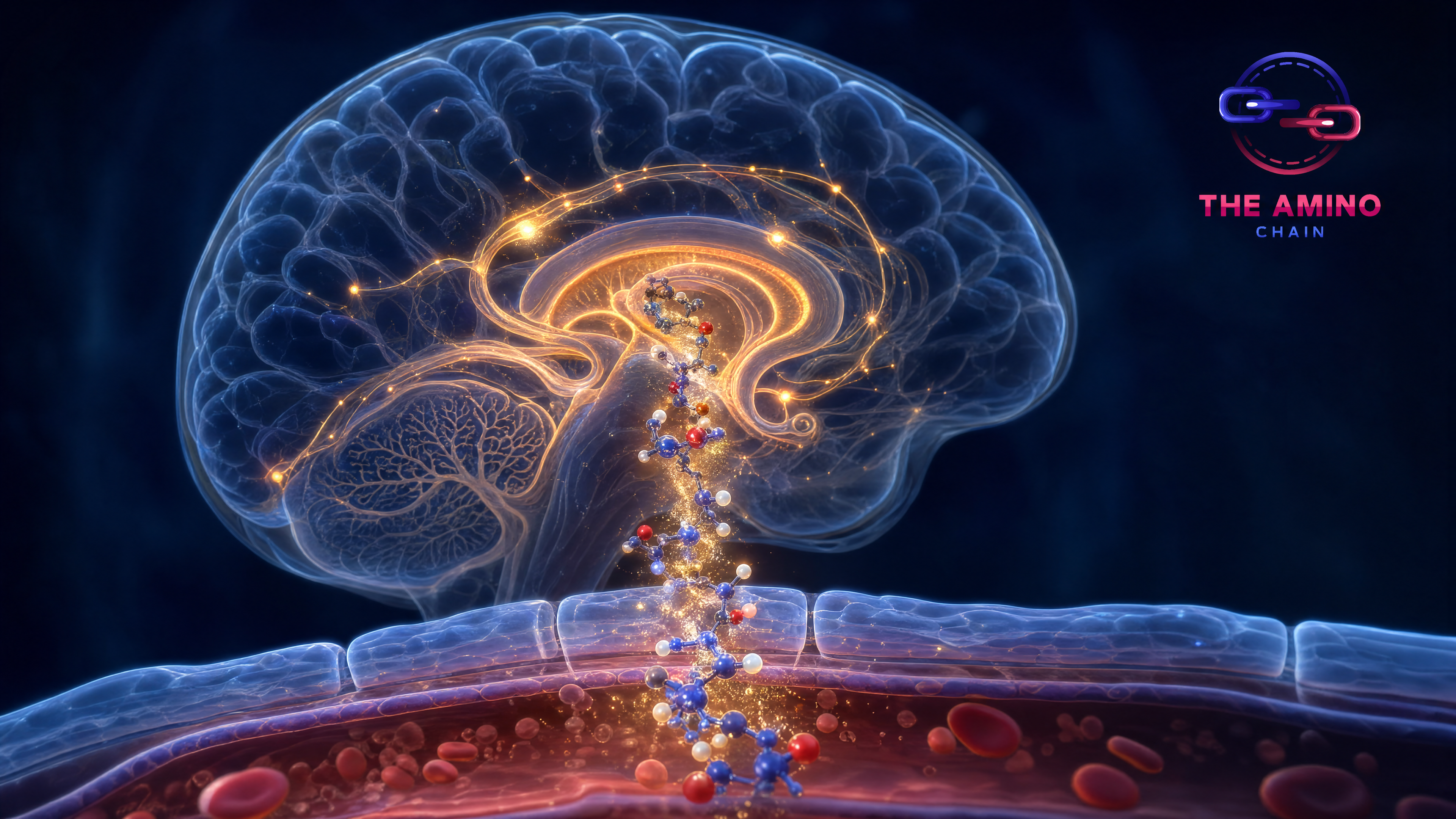
BPC-157 is primarily known for tissue healing — tendons, muscles, gut lining, wounds. But published research from the laboratory of Professor Predrag Sikiric at the University of Zagreb has documented a parallel body of evidence that most peptide researchers overlook: BPC-157's significant effects on the central dopamine system. Published studies show modulation of dopamine receptors, altered dopamine turnover in multiple brain regions, and behavioral effects consistent with dopaminergic modulation. For a peptide isolated from gastric juice, these CNS effects are remarkable.
Dopamine: More Than a Feel-Good Neurotransmitter
Dopamine is popularly associated with pleasure and reward, but its biological roles are far broader. Dopamine signaling through different receptor subtypes (D1-D5) in different brain regions controls motor function (nigrostriatal pathway), motivation and reward (mesolimbic pathway), executive function and working memory (mesocortical pathway), and hormonal regulation (tuberoinfundibular pathway). Dopaminergic dysfunction is implicated in Parkinson's disease, ADHD, depression, addiction, and schizophrenia.
BPC-157 and Dopamine Receptor Modulation
Published research showed BPC-157 modulates dopamine receptor expression and sensitivity. In D2 receptor-related models, BPC-157 counteracted the effects of both D2 agonists (bromocriptine) and D2 antagonists (haloperidol) — a bidirectional modulatory pattern suggesting regulatory rather than simply stimulatory or inhibitory effects. This bidirectional modulation is unusual in pharmacology, where most compounds are either agonists or antagonists at a given receptor.
Published behavioral studies demonstrated that BPC-157 reversed amphetamine-induced hyperlocomotion (a model of excessive dopaminergic activity) and also reversed haloperidol-induced catalepsy (a model of dopamine blockade). The ability to normalize dopaminergic function from both directions of dysregulation suggests BPC-157 acts as a dopamine system stabilizer rather than a conventional agonist or antagonist.
Dopamine Turnover Effects
Published neurochemical studies measured dopamine and its metabolites (DOPAC, HVA) in specific brain regions following BPC-157 administration. The results showed altered dopamine turnover ratios in the striatum, nucleus accumbens, and prefrontal cortex — regions central to motor control, reward processing, and executive function respectively. The direction of effect varied by brain region and by the baseline state of the dopamine system, further supporting a modulatory rather than unidirectional mechanism.
Protection Against Dopaminergic Toxicity
Published studies showed BPC-157 protected against several forms of dopaminergic neurotoxicity. In MPTP-induced Parkinsonism models (MPTP selectively destroys dopaminergic neurons in the substantia nigra), BPC-157 showed neuroprotective effects. The peptide also counteracted the toxic effects of chronic neuroleptic administration on dopaminergic neurons. These protective effects suggest BPC-157 may support dopaminergic neuron survival under conditions of metabolic or toxic stress.
The NO System Connection
BPC-157's dopaminergic effects may be mediated partly through the nitric oxide (NO) system. Published research extensively documented BPC-157's bidirectional modulation of the NO pathway, and NO is a known modulator of dopamine release in the striatum and other brain regions. The NO-dopamine interaction provides a mechanistic bridge between BPC-157's well-characterized NO effects and its dopaminergic effects — the peptide may modulate dopamine function indirectly through NO pathway modulation.
Behavioral Implications
Published behavioral studies showed BPC-157 effects consistent with dopamine system modulation: anti-anhedonic effects (reversing reduced motivation in stress models), effects on alcohol and amphetamine sensitivity, modulation of stereotypic behaviors, and effects on social behavior. These behavioral effects were not the primary focus of most published BPC-157 studies (which emphasize tissue healing), but they are consistently documented across multiple research groups.
Gut-Brain Dopamine Connection
The gut produces approximately 50% of the body's dopamine — though gut dopamine primarily functions locally in GI motility and secretion rather than reaching the brain. BPC-157's origin in gastric juice and its documented effects on both GI function and central dopamine systems raise the possibility that it acts at the interface of gut-brain dopaminergic communication. Whether BPC-157's central dopaminergic effects are mediated through direct CNS action after systemic absorption, indirect vagal signaling from the gut, or both pathways simultaneously remains an active question.