BPC-157 and the Brain: Neuroprotection, Dopamine, and Central Nervous System Research
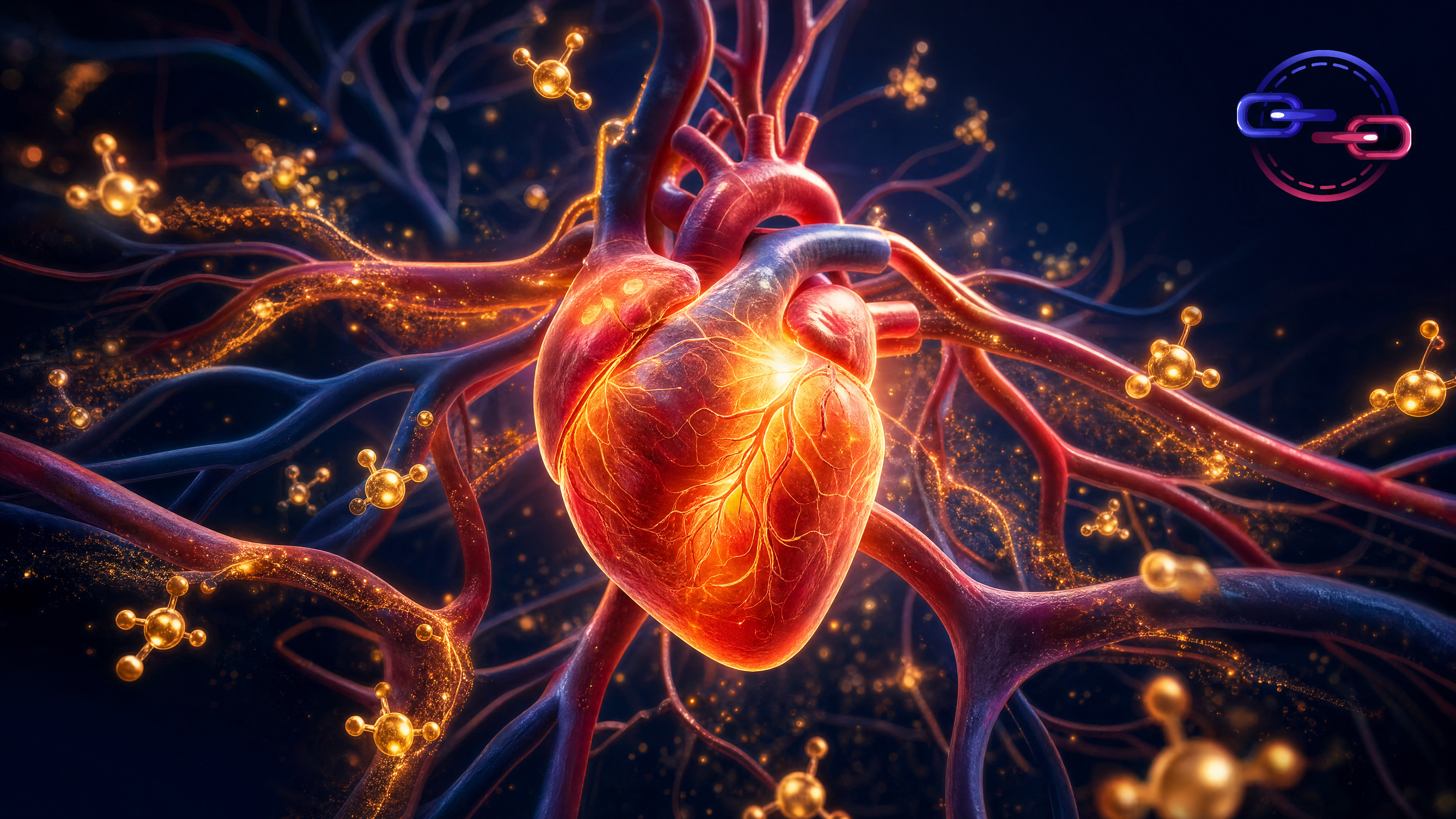
BPC-157's neuroprotective research extends beyond peripheral nerves into the central nervous system. Published studies have examined effects on dopaminergic pathways, traumatic brain injury models, and stroke recovery.
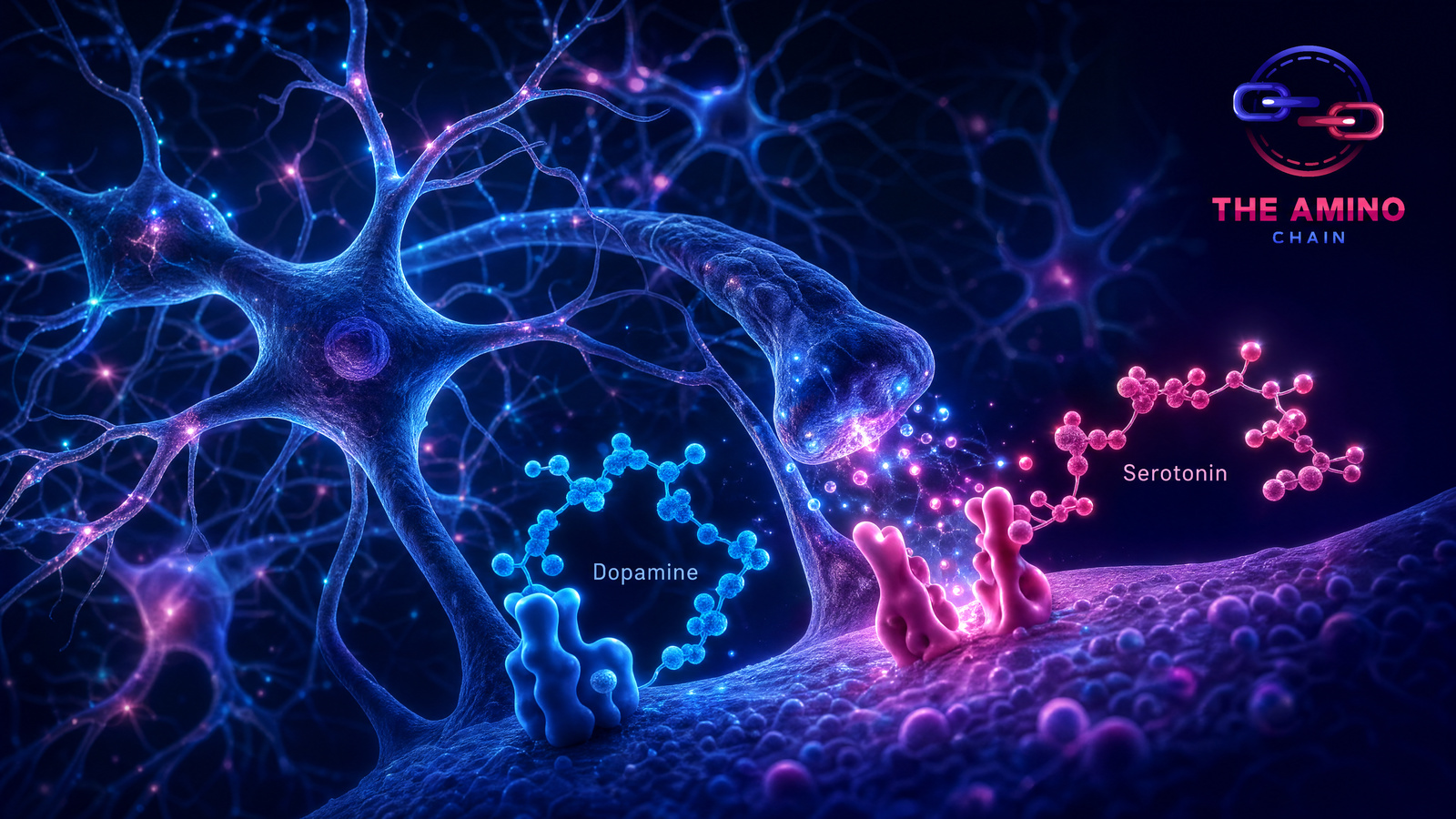
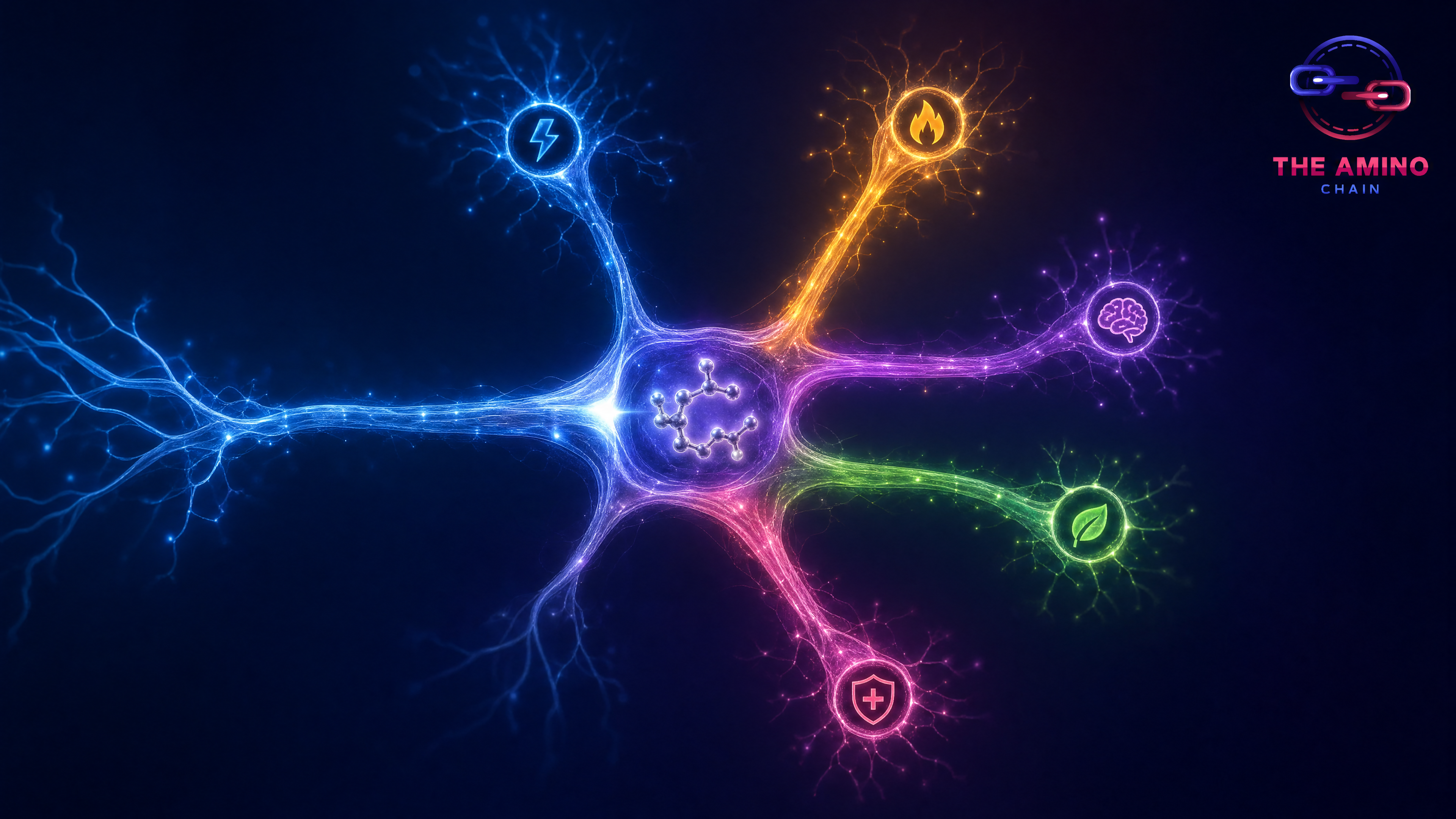
While BPC-157 is most commonly associated with tissue repair and GI protection, a growing body of published research explores its effects on the central nervous system. Studies have documented interactions with dopaminergic, serotonergic, and GABAergic neurotransmitter systems, along with neuroprotective effects in models of traumatic brain injury, stroke, and neurotoxicity. This CNS research represents one of the most intriguing frontiers in BPC-157 science.
Dopaminergic System Interactions
Some of the most striking BPC-157 CNS research involves the dopaminergic system. Published studies have demonstrated that BPC-157 can modulate dopamine function in multiple experimental contexts. In models of dopaminergic neurotoxicity — where compounds like MPTP or 6-OHDA selectively destroy dopamine-producing neurons — BPC-157 showed protective effects, preserving dopaminergic neuron function and reducing behavioral deficits.
Additionally, published research examined BPC-157's effects on dopamine-related behavioral disturbances induced by both dopamine agonists and antagonists. The peptide appeared to normalize behavior in both directions — reducing the hyperactivity induced by amphetamine (a dopamine-releasing agent) and ameliorating the catalepsy induced by haloperidol (a dopamine receptor blocker). This bidirectional modulation parallels the bidirectional NO modulation observed in other systems.
The Gut-Brain Connection
BPC-157's GI origin takes on additional significance when considering the gut-brain axis. The enteric nervous system — sometimes called the "second brain" — contains over 500 million neurons and produces approximately 95% of the body's serotonin and 50% of its dopamine. Compounds that originate in and protect the gut environment may influence CNS function through this axis.
Published research has specifically examined BPC-157's effects on gut-brain signaling, with studies suggesting that its GI protective effects may influence CNS neurotransmitter levels through vagal nerve signaling and neurohumoral pathways. This represents a fundamentally different mechanism from compounds that act directly on brain tissue.
Traumatic Brain Injury Research
Published studies have examined BPC-157 in rodent models of traumatic brain injury (TBI). TBI involves primary mechanical damage followed by secondary injury from inflammation, oxidative stress, excitotoxicity, and blood-brain barrier disruption. BPC-157 demonstrated neuroprotective effects in these models, with improvements in behavioral outcomes and reductions in markers of secondary injury.
The mechanisms likely involve multiple pathways: NO modulation may help maintain cerebral blood flow after injury, anti-inflammatory effects may reduce secondary damage, and angiogenic properties may support revascularization of damaged brain tissue. The blood-brain barrier disruption that occurs after TBI may also allow systemically administered BPC-157 to access brain tissue that would normally be protected.
Serotonergic System Effects
Published research has documented BPC-157's interactions with the serotonergic system, which plays central roles in mood regulation, anxiety, sleep, and pain modulation. BPC-157 appeared to modulate serotonin-related behaviors in experimental models, consistent with a general pattern of neurotransmitter system normalization rather than simple stimulation or inhibition.
GABAergic System Interactions
The GABAergic system — the brain's primary inhibitory neurotransmitter system — has also been examined in BPC-157 research. Published studies using models of GABA system disruption (including alcohol withdrawal, which involves GABA system dysfunction) showed protective effects of BPC-157. Given GABA's central role in anxiety, seizure threshold, and sedation, these interactions have potentially broad implications.
Stroke and Cerebrovascular Research
BPC-157's promotion of angiogenesis and its NO modulation make it theoretically relevant to stroke recovery research. Published studies have examined the peptide in cerebral ischemia models, with findings suggesting improved outcomes through enhanced revascularization and reduced ischemic damage. The NO system is a critical regulator of cerebral blood flow, and BPC-157's bidirectional modulation could help restore perfusion to ischemic brain tissue.
Important Caveats
CNS research with BPC-157 remains early-stage. All studies are preclinical, and the blood-brain barrier presents a significant challenge for systemic peptide administration under normal conditions. Whether BPC-157 crosses the intact blood-brain barrier in therapeutically relevant concentrations is not fully established. The most compelling CNS data may involve conditions where barrier integrity is already compromised (TBI, stroke), potentially allowing greater peptide access to brain tissue.