BPC-157: The Complete Research Guide for 2026
Everything researchers need to know about Body Protection Compound-157 — from its gastric juice origins to the latest published studies on tissue repair, GI protection, and NO pathway modulation.
BPC-157 remains one of the most extensively studied peptides in the tissue repair research landscape. With over 100 published studies spanning gastroenterology, orthopedic biology, neuroscience, and vascular biology, its research profile is unusually broad for a single compound.
Origins: A Peptide from Gastric Juice
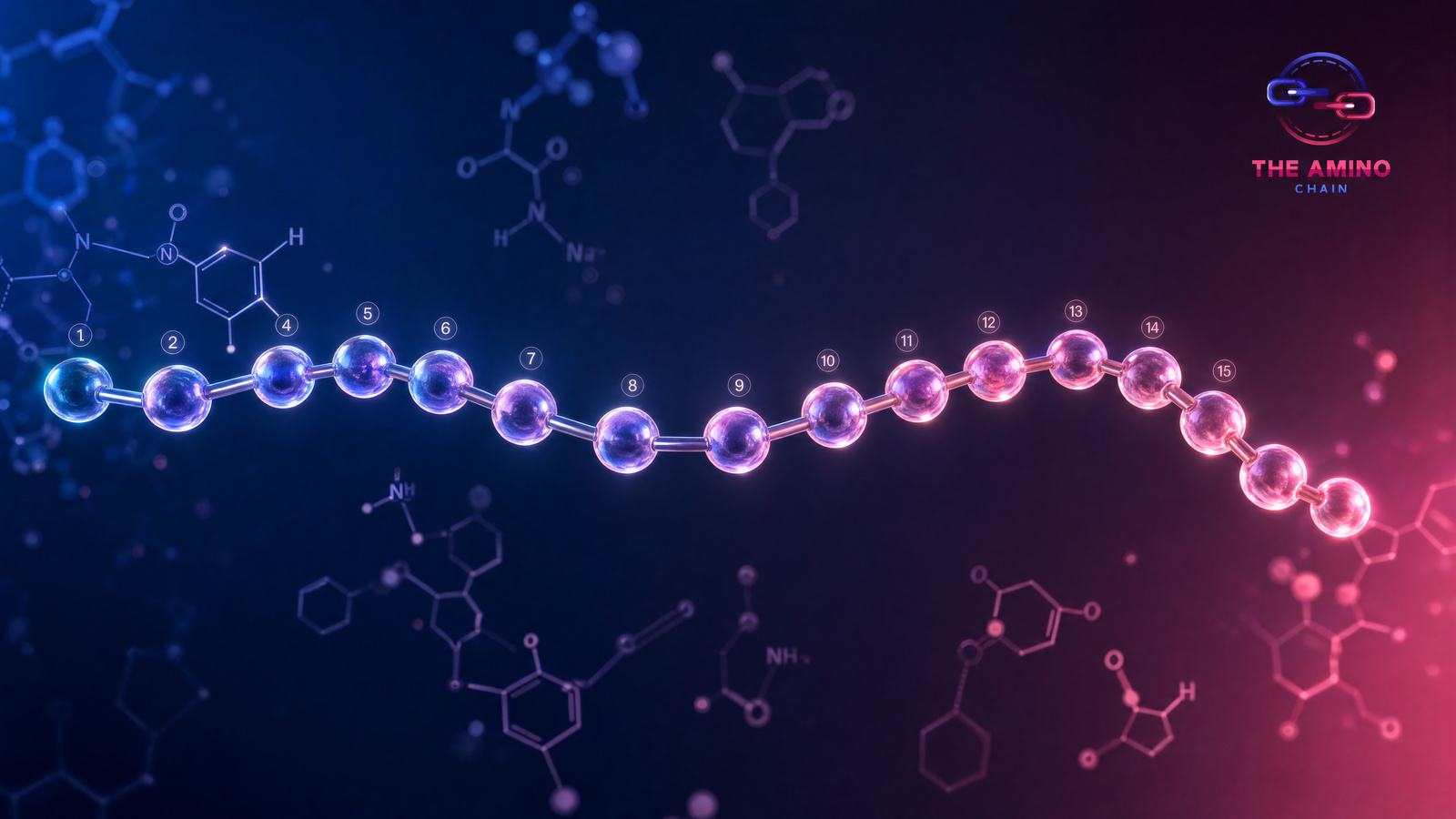
BPC-157 (Body Protection Compound-157) is a pentadecapeptide — a chain of 15 amino acids — derived from a protective protein naturally found in human gastric juice. This origin is significant because it places BPC-157 in the context of the stomach's remarkable ability to protect and repair itself despite constant exposure to hydrochloric acid, digestive enzymes, and mechanical stress.
The peptide was first characterized by Dr. Predrag Sikiric and colleagues at the University of Zagreb, who isolated the active sequence and began systematic investigation of its biological properties in the early 1990s. Since then, the published literature has expanded dramatically.
The Nitric Oxide Connection
Perhaps the most intriguing aspect of BPC-157 research is its interaction with the nitric oxide (NO) system. Multiple studies have demonstrated that BPC-157's effects can be modulated by NO pathway inhibitors, suggesting that NO signaling is central to its mechanism of action.
What makes this particularly interesting is the apparent bidirectional nature of the interaction. Published data suggests BPC-157 may help restore NO signaling toward physiological levels regardless of the direction of disruption — a property that, if confirmed across more experimental systems, would be mechanistically unusual and potentially significant.
Gastrointestinal Research
The strongest body of published evidence concerns BPC-157's effects on the gastrointestinal tract. Multiple independent studies have demonstrated cytoprotective effects in various gastric ulcer models, including those induced by ethanol, aspirin, and other ulcerogenic agents. The peptide has shown dose-dependent acceleration of gastric lesion healing with improvements in mucosal blood flow, epithelial cell migration, and angiogenesis at injury sites.
Tendon and Ligament Studies
Published research in orthopedic biology has examined BPC-157's effects on tendon healing, with studies reporting accelerated recovery of transected tendons in rat models. The proposed mechanism involves upregulation of growth factor receptors (particularly EGF and VEGF) and activation of the FAK-paxillin pathway — a signaling cascade involved in cell adhesion and migration.
Reconstitution and Handling
For laboratory use, BPC-157 is supplied as a lyophilized powder and reconstituted in bacteriostatic water. The peptide is notably stable in acidic conditions — consistent with its gastric juice origin — but should still be stored at 2-8°C after reconstitution and used within 3-4 weeks for optimal results.
Research Considerations
While the breadth of published BPC-157 research is impressive, researchers should note that the vast majority of studies are preclinical — conducted in cell cultures and animal models. Extrapolation to other systems requires appropriate caution and experimental validation. As with all research peptides, compounds should be sourced from suppliers providing batch-specific Certificates of Analysis with HPLC purity data.