BPC-157 and Liver Protection: Research on Hepatoprotection and Liver Recovery
The liver processes every toxin, drug, and metabolite in the body. Published BPC-157 research on liver protection spans alcohol damage, drug toxicity, and fibrosis models — here's what the science shows.
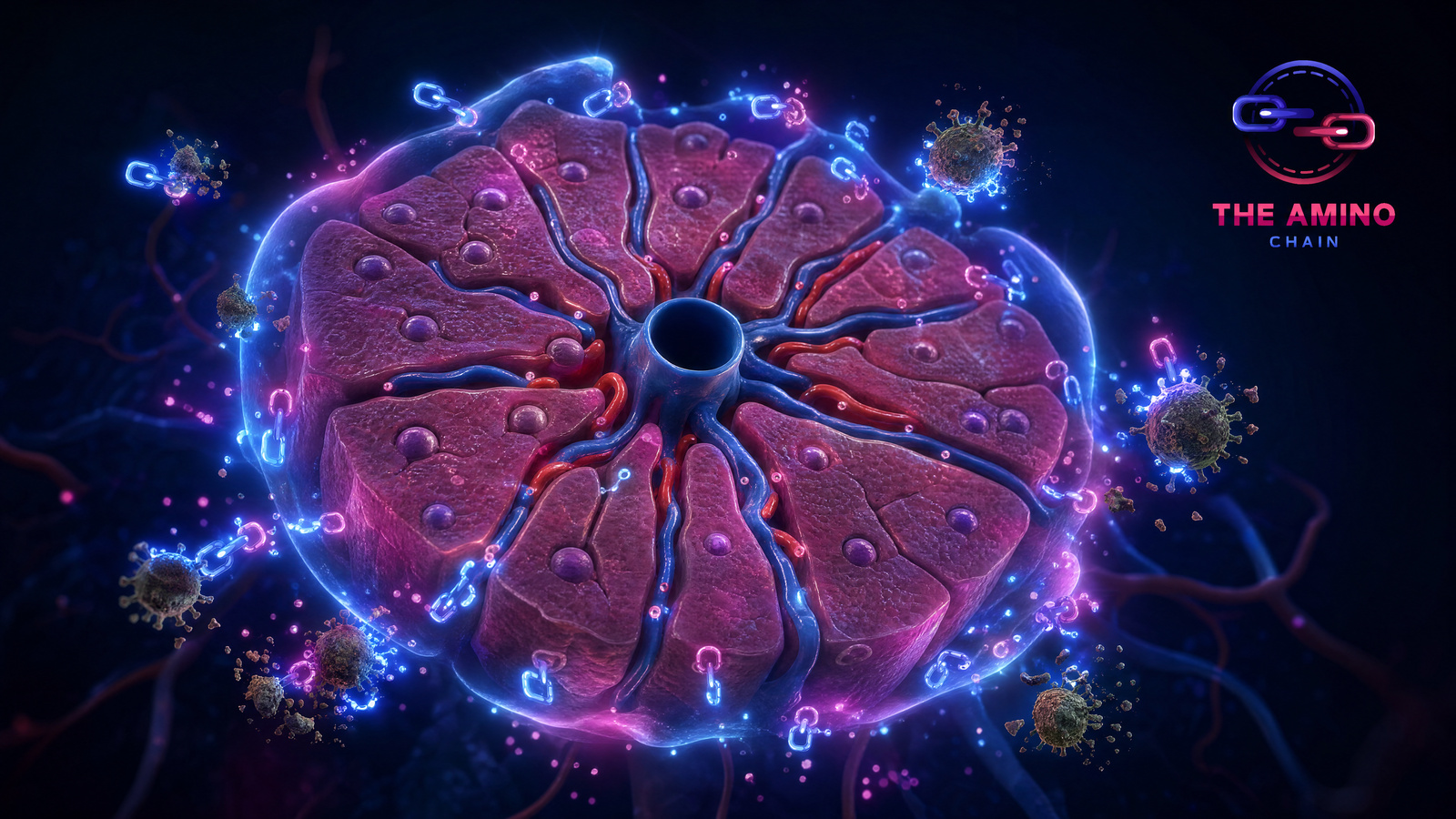
The liver is the body's chemical processing plant — filtering blood, metabolizing drugs, producing bile, and detoxifying everything from alcohol to environmental pollutants. When liver tissue is damaged, the consequences cascade throughout the body. Published BPC-157 research on hepatoprotection is among the most interesting applications of this peptide, with studies spanning alcohol-induced damage, drug hepatotoxicity, and fibrotic liver disease.
Why Liver Damage Is So Common
The liver's role as the primary metabolic filter makes it uniquely vulnerable to chemical injury. Every substance absorbed from the GI tract passes through the liver via the portal vein before reaching systemic circulation — the first-pass effect. This means the liver encounters the highest concentrations of ingested toxins, medications, and their metabolites.
Common causes of liver damage include chronic alcohol consumption, acetaminophen (paracetamol) overdose or chronic use, NSAID hepatotoxicity, viral hepatitis, and non-alcoholic fatty liver disease (NAFLD). In many of these conditions, the initial damage triggers inflammatory cascades that amplify tissue destruction beyond the original insult.
BPC-157 and Alcohol-Induced Liver Damage
Published research has examined BPC-157's effects on alcohol-induced liver damage in rodent models. Chronic alcohol consumption causes liver injury through multiple mechanisms: direct hepatocyte toxicity from acetaldehyde (alcohol's primary metabolite), oxidative stress from alcohol metabolism, gut barrier disruption allowing bacterial endotoxin translocation, and inflammatory activation through Kupffer cells (liver macrophages).
BPC-157 demonstrated hepatoprotective effects in these models, with reductions in liver enzyme elevation (AST, ALT — markers of hepatocyte damage), decreased inflammatory cell infiltration, and improved liver histology compared to untreated alcohol-exposed controls. The mechanism appears to involve both direct cytoprotection and indirect effects through gut barrier protection — reducing the endotoxin load that reaches the liver.
The Gut-Liver Axis
BPC-157's dual action on both gut barrier function and liver tissue represents a uniquely relevant mechanistic profile. The gut-liver axis describes the bidirectional relationship between intestinal health and liver function. When gut barrier integrity is compromised, bacterial endotoxins enter the portal circulation and activate hepatic immune cells, driving liver inflammation and fibrosis. By protecting intestinal barrier function, BPC-157 may reduce the upstream trigger for liver damage — while simultaneously providing direct hepatoprotection at the tissue level.
Drug-Induced Liver Injury (DILI)
Published BPC-157 research has examined protection against various forms of drug-induced hepatotoxicity. The peptide showed cytoprotective effects in models using common hepatotoxic compounds, with reductions in liver enzyme elevations and improved histological outcomes. Given that DILI accounts for approximately 50% of acute liver failure cases, compounds with hepatoprotective properties are of significant clinical research interest.
Liver Fibrosis and Regeneration
Chronic liver damage of any cause can progress to fibrosis — the replacement of functional liver tissue with scar tissue. Advanced fibrosis leads to cirrhosis, portal hypertension, and ultimately liver failure. Published BPC-157 research has demonstrated effects on fibrotic processes in various tissue systems, and its promotion of organized tissue repair (rather than disorganized scarring) is theoretically relevant to liver fibrosis research.
The liver's remarkable regenerative capacity — it can regrow from as little as 25% of its original mass — makes it a particularly interesting target for repair-promoting compounds. BPC-157's angiogenic properties (VEGF promotion) are relevant because adequate blood supply is essential for liver regeneration, and its growth factor receptor upregulation may enhance the hepatocyte proliferative response.
NO Modulation and Hepatic Blood Flow
Nitric oxide is a critical regulator of hepatic blood flow. In healthy liver, NO produced by endothelial nitric oxide synthase (eNOS) maintains sinusoidal blood flow and prevents platelet aggregation. In liver disease, NO homeostasis is disrupted — leading to intrahepatic vasoconstriction, portal hypertension, and impaired hepatocyte oxygenation. BPC-157's bidirectional NO modulation could theoretically help restore hepatic NO signaling toward physiological levels, supporting liver perfusion and function.
Research Limitations
All published BPC-157 hepatoprotection research is preclinical — conducted in rodent models. The liver's biology differs between species in important ways, particularly regarding drug metabolism enzyme profiles. No human clinical trials for liver applications have been published. The preclinical data provides mechanistic rationale but cannot be directly extrapolated to human liver disease.