BPC-157 and Meniscus Tears: Research on Knee Cartilage Healing and the Avascular Zone Problem
Meniscus tears are among the most common knee injuries. The inner two-thirds of the meniscus has no blood supply, making healing nearly impossible. Published BPC-157 research on angiogenesis and cartilage biology addresses this fundamental barrier.
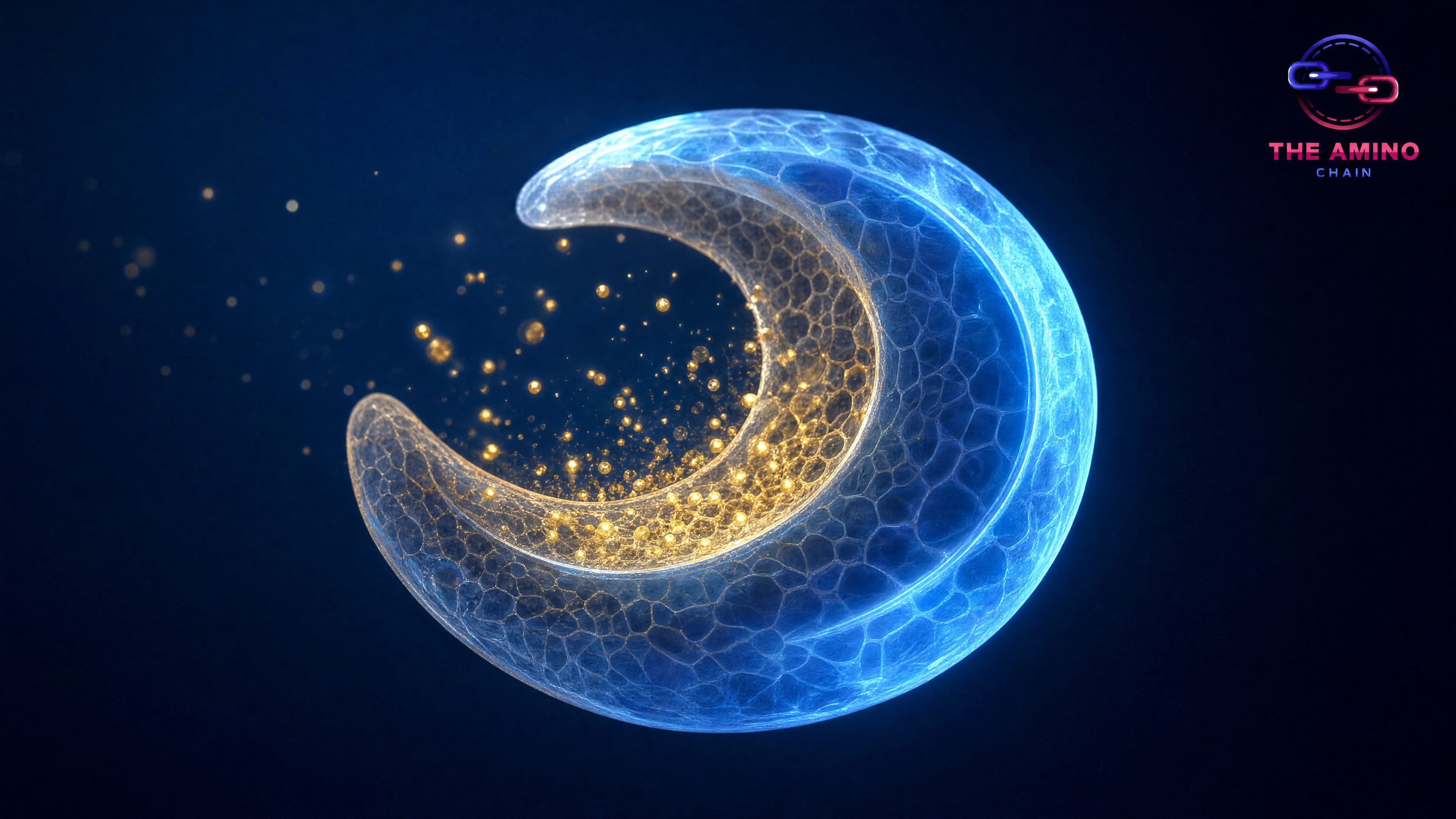
The meniscus is a C-shaped wedge of fibrocartilage that sits between the femur and tibia in each knee, acting as a shock absorber, load distributor, and joint stabilizer. Meniscus tears affect approximately 61 per 100,000 people annually and are one of the most common reasons for orthopedic surgery. The central challenge in meniscus healing is vascular anatomy: only the outer one-third of the meniscus (the "red zone") has blood supply. The inner two-thirds (the "white zone") is avascular — and without blood supply, healing is extremely limited.
The Red Zone vs White Zone Problem
This vascular anatomy creates a fundamental treatment dilemma. Tears in the red zone (outer third) can heal because blood supply delivers inflammatory cells, growth factors, and nutrients necessary for repair. Tears in the red-white zone (middle third) have limited healing potential. And tears in the white zone (inner third) — where many degenerative tears occur — have essentially no capacity for biological healing.
Current treatment for white zone tears is typically partial meniscectomy — surgical removal of the torn portion. While this eliminates symptoms, it removes functional meniscal tissue, increasing contact pressure on the articular cartilage and accelerating osteoarthritis development. The clinical need for treatments that enable white zone healing is enormous.
BPC-157 and Angiogenesis: Addressing the Blood Supply Barrier
BPC-157's most relevant property for meniscus healing is its VEGF-mediated angiogenesis — the promotion of new blood vessel growth. Published research has consistently demonstrated BPC-157's ability to promote angiogenesis in hypovascular tissues. If BPC-157 can stimulate blood vessel ingrowth from the vascularized red zone into the avascular white zone, it could theoretically extend the healing-capable region of the meniscus.
This is not a proven mechanism — no published study has specifically demonstrated BPC-157-induced vascular ingrowth into avascular meniscal tissue. But the mechanistic rationale is strong: BPC-157 promotes angiogenesis in other hypovascular tissues (tendons, ligaments), and the meniscal white zone is avascular for developmental reasons rather than because it's inherently hostile to blood vessel growth.
Growth Factor Receptor Upregulation
Published BPC-157 research showed upregulation of growth factor receptors including EGF receptors and VEGF receptors. In meniscal tissue, growth factor responsiveness is critical for repair cell activation. Meniscal cells in the white zone are viable and capable of matrix synthesis — they lack the growth factor signaling (delivered via blood supply) that triggers the repair response. BPC-157's receptor upregulation may enhance meniscal cell responsiveness to whatever growth factor signals are available, even in the absence of direct vascular supply.
Anti-Inflammatory Effects in the Joint Space
Meniscus tears trigger inflammatory responses within the synovial joint space. Inflammatory mediators (IL-1, TNF-alpha, MMPs) not only cause pain and swelling but actively degrade both the torn meniscus and the adjacent articular cartilage. Published BPC-157 research has documented anti-inflammatory effects in joint tissue contexts — reducing inflammatory cytokine expression and modulating the MMP activity that degrades cartilage matrix.
By reducing intra-articular inflammation, BPC-157 may protect both the meniscus and the articular cartilage from secondary inflammatory damage following the initial tear.
Published Cartilage Research
While no published study has specifically examined BPC-157 in meniscus tear models, published research in related contexts is relevant. BPC-157 showed protective effects on articular cartilage, promoted healing in other fibrocartilaginous tissues, and accelerated recovery in various knee injury models. The meniscus is a fibrocartilage structure with cellular and matrix characteristics intermediate between hyaline cartilage and dense connective tissue — both of which have been studied with BPC-157.
Combination with Physical Therapy
Published meniscus rehabilitation research emphasizes that controlled mechanical loading is essential for meniscal healing — it stimulates matrix synthesis, guides collagen fiber orientation, and maintains joint nutrition through synovial fluid circulation. BPC-157's biological effects may complement rehabilitation by creating a more favorable healing environment while physical therapy provides the mechanical stimulus. The combination addresses both biological and mechanical requirements for meniscal repair.
Clinical Reality Check
Meniscus tears — particularly degenerative tears in the white zone — remain one of the most challenging healing problems in orthopedics. BPC-157's mechanistic profile is theoretically relevant, but translating these mechanisms to functional meniscal healing in humans requires clinical evidence that does not yet exist. Researchers should approach meniscal applications with measured expectations while recognizing the compelling mechanistic rationale.