Cerebrolysin: The Neuropeptide Mixture Used in 50+ Countries for Brain Research and Recovery
Cerebrolysin is a standardized mixture of neurotrophic peptides derived from porcine brain tissue. Published research spanning stroke recovery, traumatic brain injury, and neurodegenerative diseases has accumulated over 200 clinical studies.
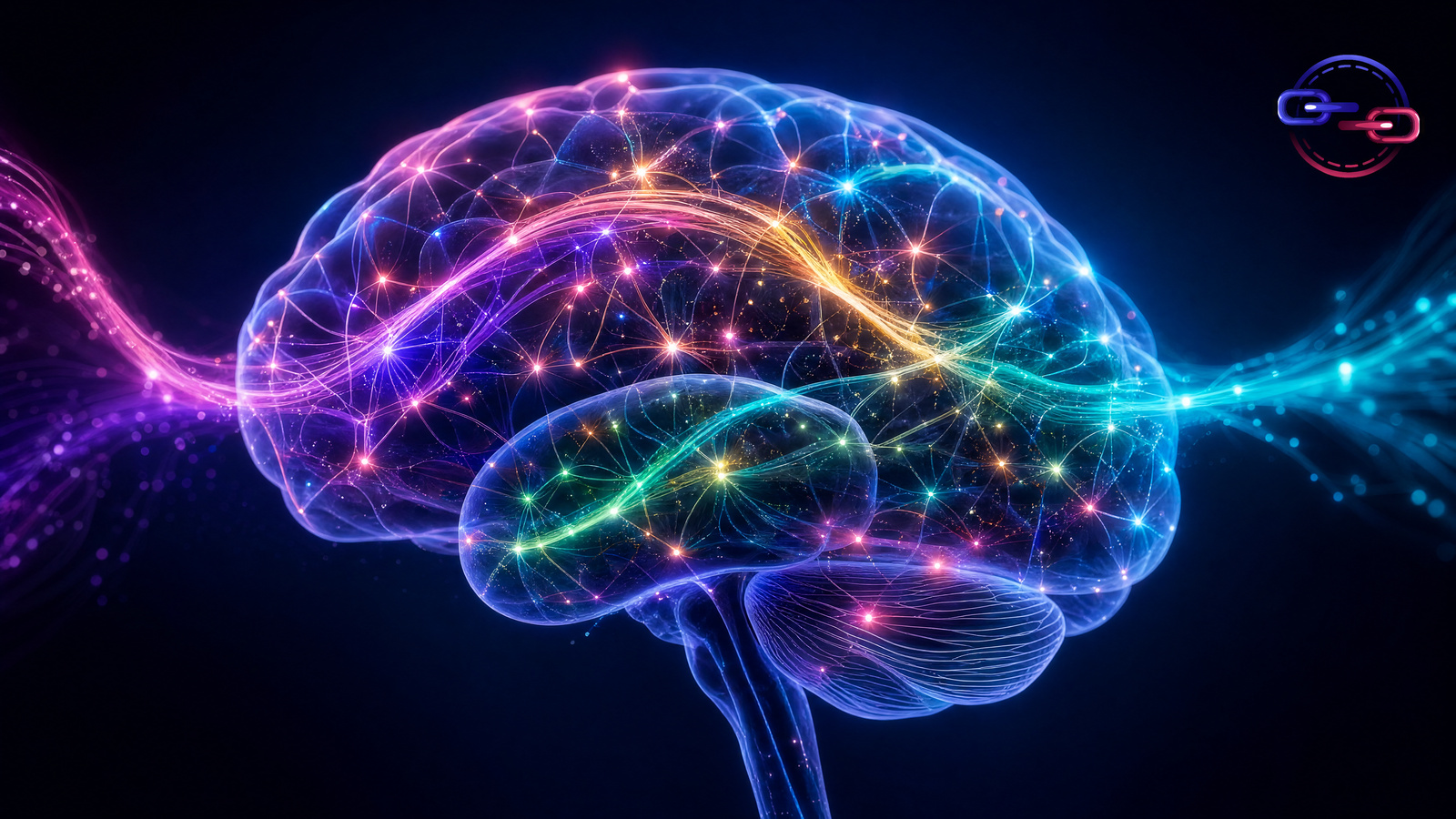
Cerebrolysin is unlike any other compound in peptide research — it's not a single peptide but a standardized mixture of neurotrophic peptides and free amino acids derived from porcine (pig) brain tissue through controlled enzymatic proteolysis. This mixture mimics the composition of naturally occurring neurotrophic factors. It has been used clinically in over 50 countries, has accumulated over 200 published clinical studies, and remains one of the most extensively researched neuropeptide preparations in the world — despite being relatively unknown in some Western markets.
Composition and Standardization
Cerebrolysin contains approximately 25% low-molecular-weight peptides and 75% free amino acids by weight. The peptide fraction includes fragments with neurotrophic factor-like activity — specifically, the mixture has been shown to mimic the biological effects of BDNF (brain-derived neurotrophic factor), NGF (nerve growth factor), CNTF (ciliary neurotrophic factor), and GDNF (glial cell-derived neurotrophic factor). The manufacturing process is standardized to ensure batch-to-batch consistency of the peptide profile.
Neurotrophic Mechanism
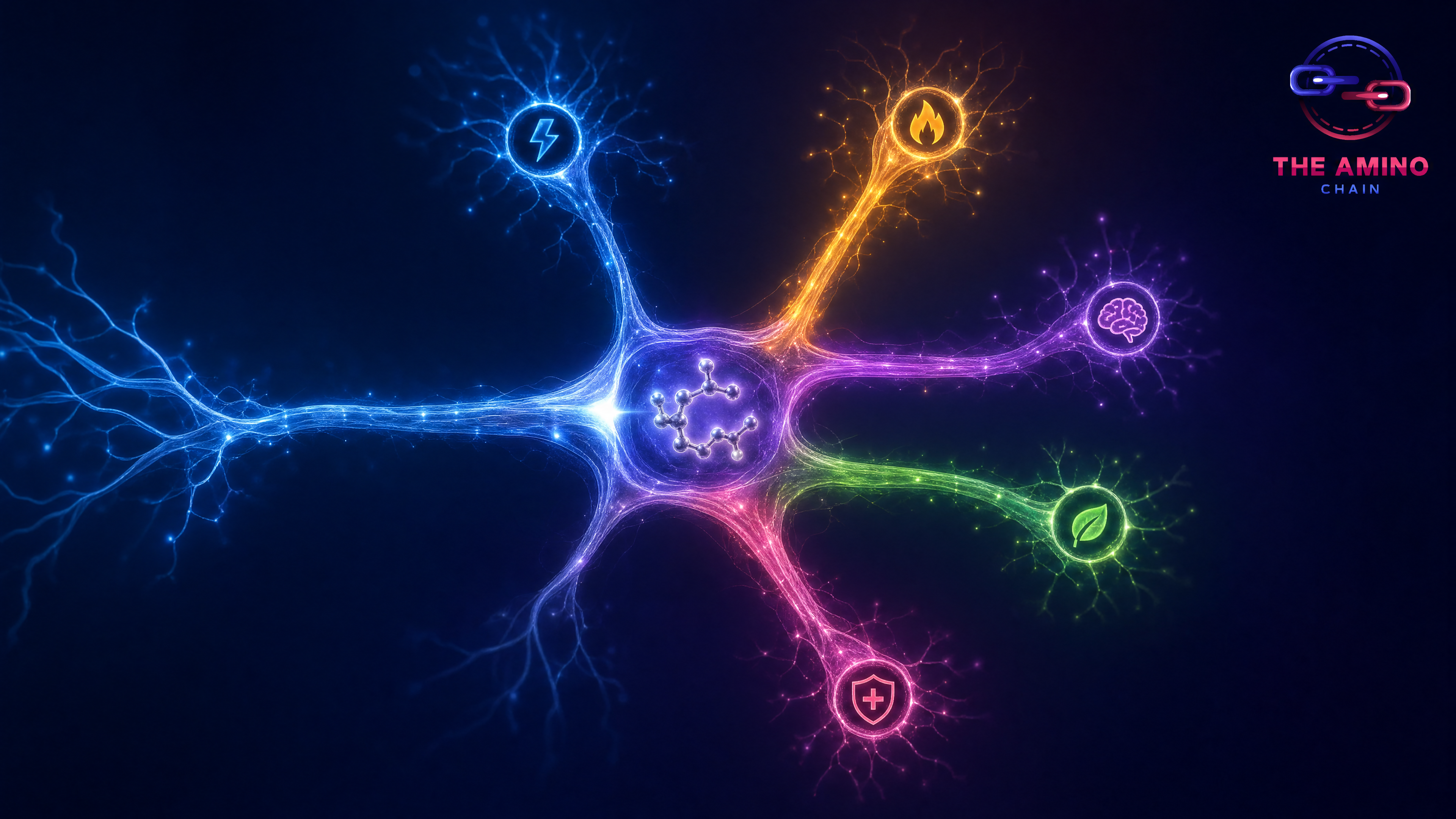
Published research has demonstrated that Cerebrolysin activates neurotrophic signaling pathways in the brain — promoting neuronal survival, synaptogenesis, and neuroplasticity. The mechanism involves activation of PI3K/Akt and MAPK/ERK pathways — the same signaling cascades activated by endogenous neurotrophic factors. By providing multiple neurotrophic signals simultaneously, Cerebrolysin may more closely replicate the complex neurotrophic environment of the healthy brain than any single neurotrophic factor could.
Stroke Recovery Research
The most extensive clinical evidence for Cerebrolysin involves stroke recovery. Published meta-analyses of randomized controlled trials have reported improvements in neurological function scores when Cerebrolysin was administered in the acute and subacute phases of ischemic stroke. The compound appears to promote neuroplasticity — the brain's ability to reorganize neural networks and recover function after damage.
The CARS (Cerebrolysin and Recovery after Stroke) study and other large trials provided evidence of improved functional outcomes, though the magnitude of benefit and optimal timing of administration remain subjects of ongoing research.
Traumatic Brain Injury
Published studies in traumatic brain injury (TBI) have reported improvements in cognitive function and functional recovery with Cerebrolysin treatment. The neurotrophic and neuroprotective mechanisms are relevant to TBI because secondary brain injury — the cascade of inflammation, excitotoxicity, and neuronal death that follows the initial trauma — is driven by processes that neurotrophic signaling can modulate.
Alzheimer's Disease Research
Published clinical trials in Alzheimer's disease have shown improvements in cognitive function scores (ADAS-cog) and global clinical impression with Cerebrolysin treatment. The mechanism is theorized to involve both symptomatic improvement through enhanced synaptic function and potential disease-modifying effects through neurotrophic support. However, the disease-modifying potential remains debated, and larger trials are ongoing.
Pediatric Neurodevelopmental Research
Published studies have explored Cerebrolysin in pediatric conditions including cerebral palsy, autism spectrum disorder, and developmental delay. Results have been variable, with some studies reporting improvements in motor function and cognitive measures. This application remains controversial and requires further controlled investigation.
Research Considerations
Cerebrolysin requires intravenous or intramuscular administration — it cannot be taken orally. Treatment protocols typically involve daily infusions over 10-20 day courses. The biological origin (porcine brain tissue) raises theoretical concerns about prion contamination, though the manufacturing process includes steps designed to inactivate potential prion proteins, and no cases of prion transmission have been reported in decades of clinical use.