Epithalon and Telomeres: Research on Telomerase Activation, Pineal Function, and Longevity
Epithalon is a synthetic version of the pineal peptide epithalamin. Published research on telomerase activation, circadian rhythm regulation, and lifespan extension in animal models makes it one of the most discussed longevity peptides.
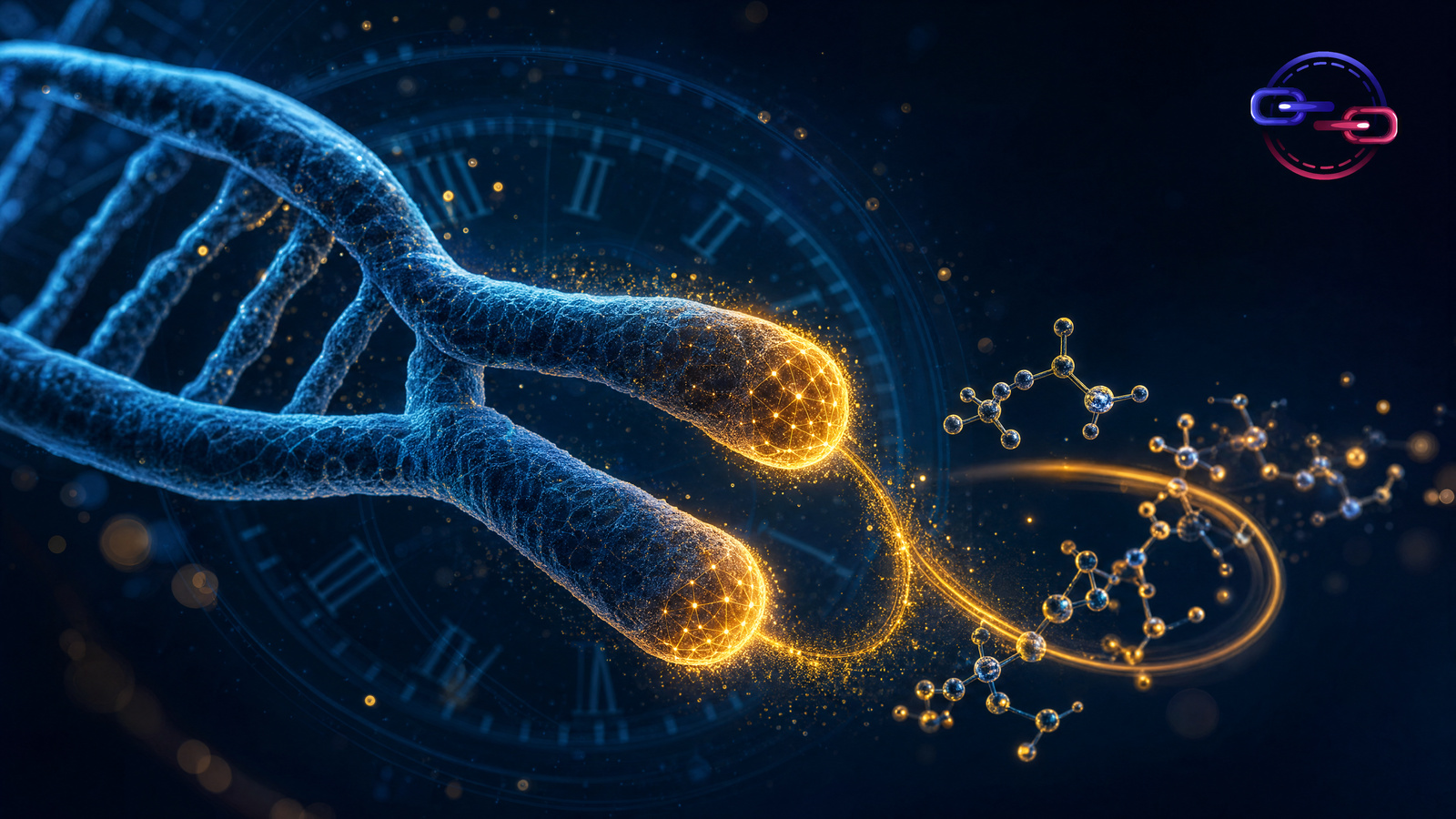
Epithalon (also spelled Epitalon) is a synthetic tetrapeptide — just four amino acids: Ala-Glu-Asp-Gly — designed to mimic the biological effects of epithalamin, a naturally occurring peptide extract from the pineal gland. Published research by Russian gerontologist Professor Vladimir Khavinson and colleagues has documented effects on telomerase activation, melatonin production, and lifespan extension in multiple animal models. While the research has generated significant interest in the longevity community, it requires careful evaluation of the evidence base.
Telomeres: The Biological Clock
Telomeres are repetitive DNA sequences (TTAGGG in humans) capping the ends of chromosomes. Each time a cell divides, telomeres shorten slightly because DNA polymerase cannot fully replicate chromosome ends. When telomeres reach a critically short length, cells enter senescence (permanent growth arrest) or apoptosis (programmed cell death). This progressive shortening acts as a biological clock, limiting the number of cell divisions and contributing to tissue aging.
Telomerase is the enzyme that can rebuild telomeres — adding TTAGGG repeats back to chromosome ends. It is active in stem cells, germ cells, and certain immune cells, but is largely silent in most adult somatic cells. Reactivating telomerase in aging cells is one of the most actively pursued strategies in longevity research.
Epithalon and Telomerase Activation
Published research by Khavinson's group reported that epithalon activated telomerase in human somatic cells in vitro, extending their replicative lifespan beyond the normal Hayflick limit (the maximum number of cell divisions before senescence). The treated cells showed telomere elongation and continued proliferating for additional population doublings compared to untreated controls.
These findings are significant because telomerase activation in somatic cells is relatively rare among small-molecule or peptide interventions. However, the studies have been primarily published in Russian journals with limited independent replication by Western research groups — a factor that should be considered when evaluating the evidence.
Pineal Gland and Melatonin
Epithalon's origin as a pineal gland extract connects it to melatonin biology. The pineal gland produces melatonin — the hormone that regulates circadian rhythm and has documented antioxidant, immune-modulatory, and neuroprotective properties. Pineal function declines with age, and melatonin production decreases correspondingly. Published epithalon research reported restoration of melatonin production in aged animals, potentially counteracting the age-related decline in pineal function.
The circadian rhythm connection is biologically significant because disrupted circadian function is associated with accelerated aging, metabolic dysfunction, and increased disease risk across multiple organ systems. A compound that supports pineal function and melatonin production could theoretically influence aging through circadian rhythm normalization.
Animal Lifespan Studies
Published studies reported lifespan extension in multiple animal models treated with epithalon or epithalamin. In fruit flies, mice, and rats, treated animals showed increased maximum lifespan compared to controls. The magnitude of lifespan extension varied across studies but was generally in the range of 10-25%. Associated findings included delayed onset of age-related pathology, improved immune function, and reduced tumor incidence in aged animals.
The Evidence Question
Epithalon research is concentrated primarily within one research group, and much of the foundational work was published in Russian-language journals. While the biological mechanisms are plausible (telomerase activation and melatonin restoration are both established longevity-relevant pathways), the limited independent replication is a legitimate scientific concern. The peptide's small size (4 amino acids, MW ~390 Da) also raises questions about pharmacokinetics — how such a small peptide achieves tissue-specific effects after systemic administration requires further characterization.