GHK-Cu Deep Dive: The Copper Peptide That Modulates 4,000 Genes
An in-depth look at GHK-Cu — from its discovery in human plasma to its remarkable gene-modulatory profile affecting over 4,000 genes in the human genome.
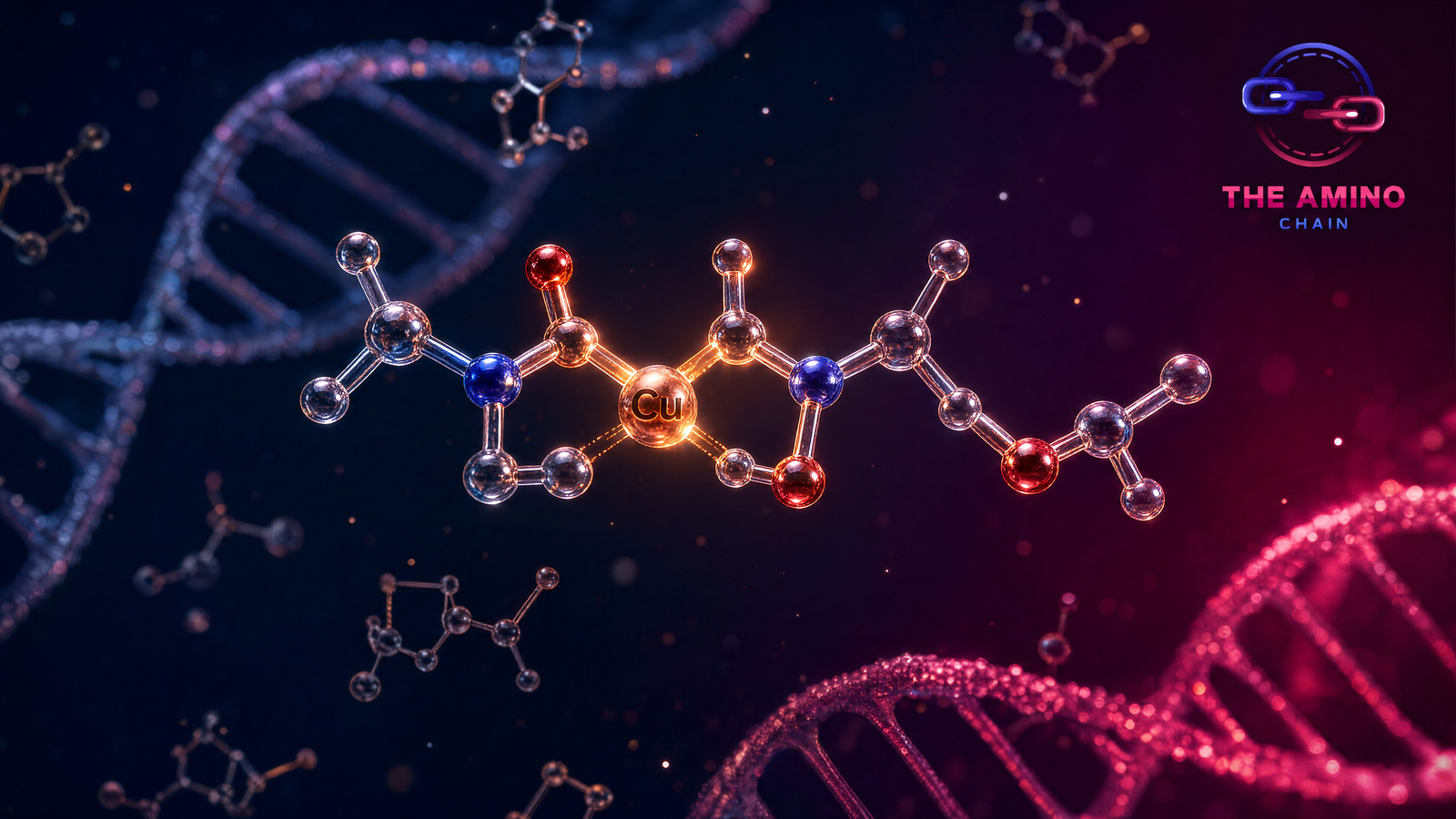
Among the thousands of bioactive peptides identified in the scientific literature, GHK-Cu occupies a unique position. This naturally occurring tripeptide — just three amino acids complexed with a copper ion — has been shown to modulate the activity of over 4,000 human genes, affecting pathways involved in tissue remodeling, antioxidant defense, and inflammatory regulation.
Discovery and Natural Occurrence
GHK-Cu was first isolated from human plasma by Dr. Loren Pickart in the 1970s during research on factors that distinguish young and old blood. The peptide exists naturally in plasma, saliva, and urine, with plasma concentrations declining significantly with age — from approximately 200 ng/mL at age 20 to roughly 80 ng/mL by age 60.
The Copper Connection
The histidine residue in the Gly-His-Lys sequence provides the primary copper-binding site through its imidazole nitrogen. This creates a stable complex at physiological pH while remaining labile enough to release copper to cellular uptake mechanisms. Copper itself is essential for multiple enzymatic processes: lysyl oxidase (collagen crosslinking), superoxide dismutase (antioxidant defense), and cytochrome c oxidase (mitochondrial energy production).
Gene Expression: The Broad Modulatory Profile
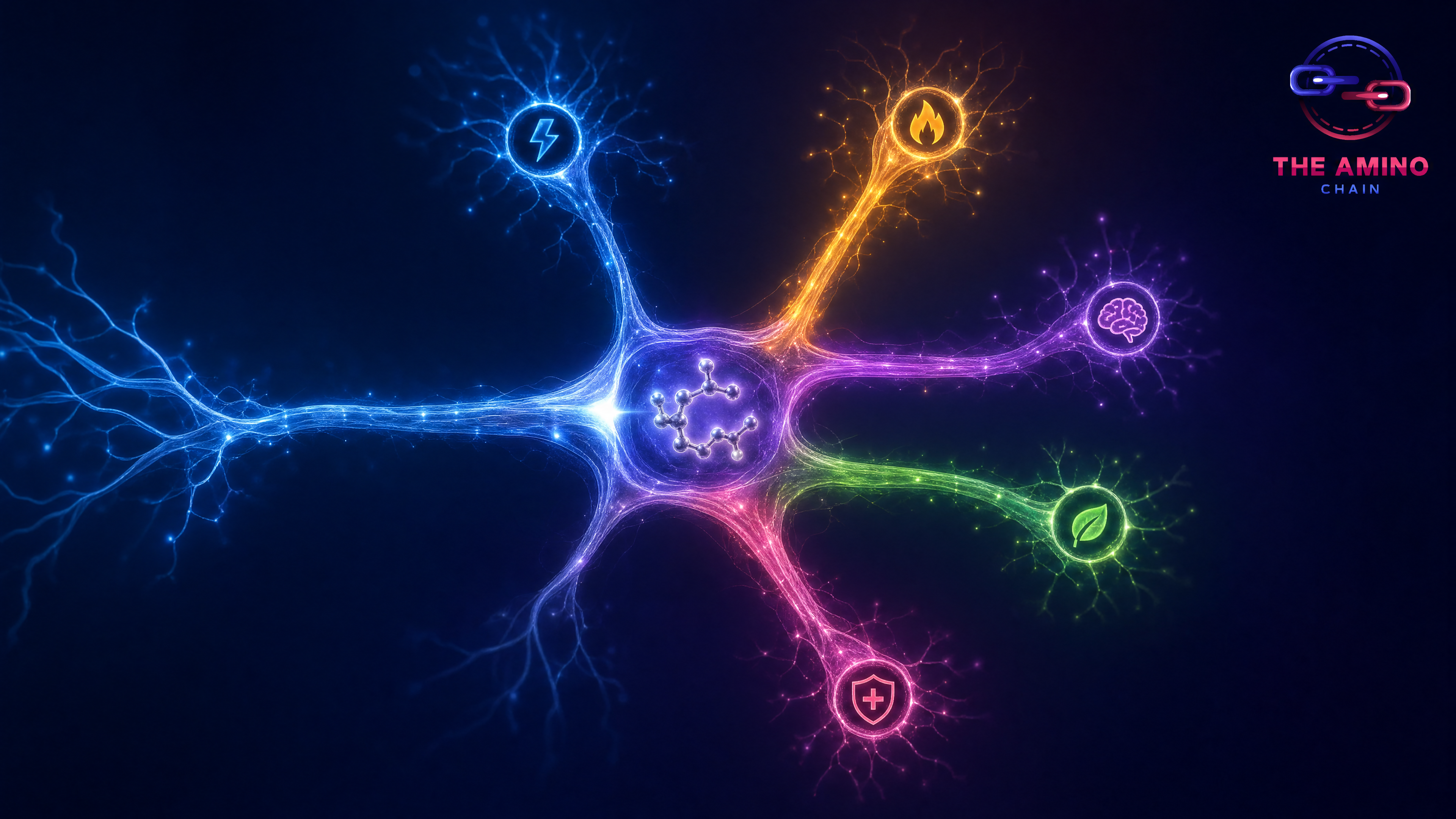
Published genomic studies have revealed that GHK-Cu affects the expression of over 4,000 genes — roughly 6% of the human genome. This broad profile distinguishes it from most bioactive peptides, which typically act through a single receptor or signaling pathway. The affected genes cluster in several functional categories: extracellular matrix remodeling, antioxidant response, inflammatory regulation, and tissue repair.
Skin Biology Research
The majority of GHK-Cu research centers on dermal biology. Multiple studies have demonstrated stimulation of collagen I and III synthesis in fibroblast cultures, with some reporting increases of up to 70% compared to controls. The peptide also influences glycosaminoglycan synthesis, including hyaluronic acid and dermatan sulfate.
Research Applications
GHK-Cu is one of the most affordable research peptides due to its small size (MW ~403 Da). It is reconstituted in bacteriostatic water and stored at 2-8°C. Avoid contact with strong chelating agents like EDTA, which can strip the copper from the peptide complex.