GHK-Cu and Lung Tissue: Research on COPD, Fibrosis, and Respiratory Tissue Remodeling
The lungs depend on precise ECM architecture for gas exchange. Published GHK-Cu research on tissue remodeling, anti-fibrotic effects, and gene expression reversal in COPD tissue offers intriguing respiratory research angles.
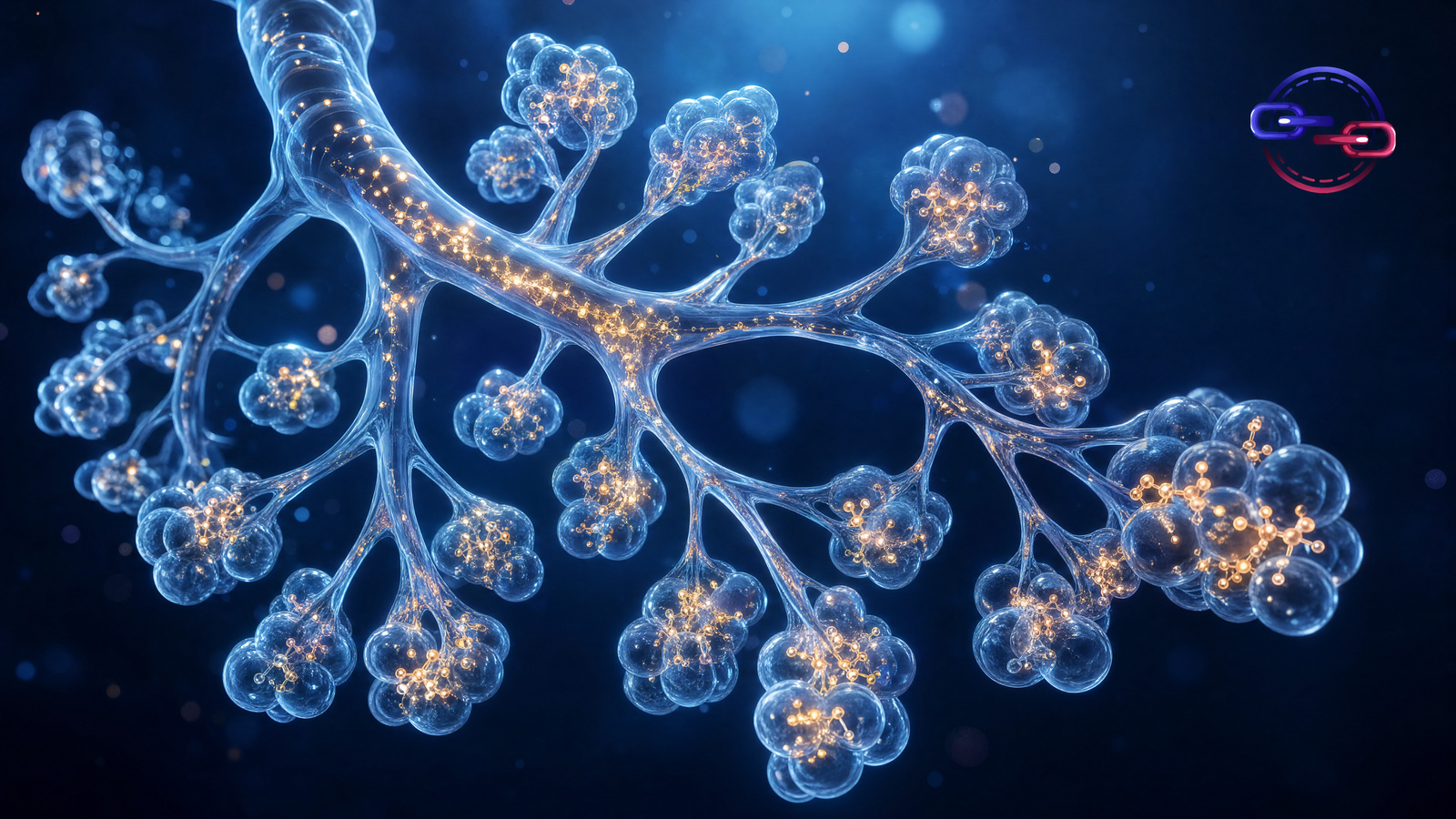
The lungs present a unique tissue engineering challenge: they must maintain an incredibly thin barrier (0.2-0.5 micrometers) between air and blood across an enormous surface area (approximately 70 square meters in adult lungs) while withstanding continuous mechanical stress from breathing cycles. This delicate architecture depends on precisely organized extracellular matrix — and when that matrix is damaged by smoking, pollution, or disease, the consequences for gas exchange are severe. Published GHK-Cu research on tissue remodeling and gene expression in lung contexts represents one of the more surprising applications of this copper peptide.
COPD: A Disease of Matrix Destruction
Chronic obstructive pulmonary disease (COPD) affects over 380 million people worldwide and is the third leading cause of death globally. The disease is characterized by progressive destruction of alveolar walls (emphysema) and chronic airway inflammation (chronic bronchitis). At the molecular level, COPD involves a protease-antiprotease imbalance — excessive matrix metalloproteinase activity destroys the collagen and elastin that maintain alveolar structure, and the body cannot regenerate these structures fast enough to keep pace with destruction.
GHK-Cu and COPD Gene Expression
Published research using the Connectivity Map database compared gene expression patterns in COPD lung tissue with GHK-Cu's gene modulatory profile. The findings were striking: GHK-Cu's gene expression effects were largely opposite to the gene expression changes observed in COPD tissue. Genes upregulated in COPD (inflammatory genes, matrix-degrading enzymes) were downregulated by GHK-Cu, and genes suppressed in COPD (matrix synthesis genes, antioxidant defense genes) were upregulated by GHK-Cu.
This pattern of "gene expression reversal" suggests that GHK-Cu may counteract the molecular signature of COPD at the transcriptional level. While gene expression changes do not necessarily translate directly to functional tissue restoration, the consistency and magnitude of the reversal across thousands of genes is noteworthy.
Elastin: The Critical Lung Protein
Elastin is arguably the most important structural protein in the lungs. The elastic recoil of alveolar walls drives passive exhalation, and the loss of elastin in emphysema is the primary reason COPD patients cannot effectively empty their lungs. Once destroyed, adult lung tissue has extremely limited capacity to produce new elastin — the protein is synthesized primarily during development.
GHK-Cu's published effects on elastin biology — both stimulation of new elastin synthesis and reduction of elastase activity — are particularly relevant to pulmonary research. If GHK-Cu could support even modest elastin production in adult lung tissue while simultaneously reducing elastin degradation, the net effect on alveolar wall integrity could be meaningful.
Pulmonary Fibrosis
While COPD involves excessive matrix destruction, pulmonary fibrosis represents the opposite problem — excessive, disorganized matrix deposition that thickens the alveolar walls and impairs gas exchange. Idiopathic pulmonary fibrosis (IPF) is progressive and currently has limited treatment options.
GHK-Cu's anti-fibrotic profile — including suppression of TGF-beta1 signaling and modulation of the MMP/TIMP balance — is theoretically relevant to pulmonary fibrosis. The compound's ability to promote organized matrix deposition rather than disorganized fibrotic scarring could help maintain the thin, organized architecture that gas exchange requires.
Antioxidant Defense in the Lungs
The lungs are uniquely exposed to oxidative stress — they interface directly with atmospheric oxygen and are the first tissue to encounter inhaled pollutants, tobacco smoke, and environmental oxidants. GHK-Cu's support of superoxide dismutase through copper delivery, combined with upregulation of other antioxidant genes, addresses the oxidative stress component that drives both COPD progression and fibrotic remodeling.
Research Status
GHK-Cu lung research is primarily computational and in vitro — the gene expression reversal findings come from bioinformatic analysis rather than animal or human pulmonary studies. No clinical trials for respiratory applications have been published. However, the molecular rationale is strong: the compound's effects on matrix synthesis, elastin biology, anti-inflammatory signaling, and antioxidant defense align precisely with the biological deficits that characterize COPD and pulmonary fibrosis. Further research in animal lung models would help establish whether the gene expression effects translate to functional tissue improvements.