Humanin: The Mitochondrial Peptide That May Explain Why Some People Live Past 100
Humanin was discovered in Alzheimer's research but its implications extend to longevity, metabolic health, and cardioprotection. Centenarians have higher circulating humanin levels — and published research is exploring why.
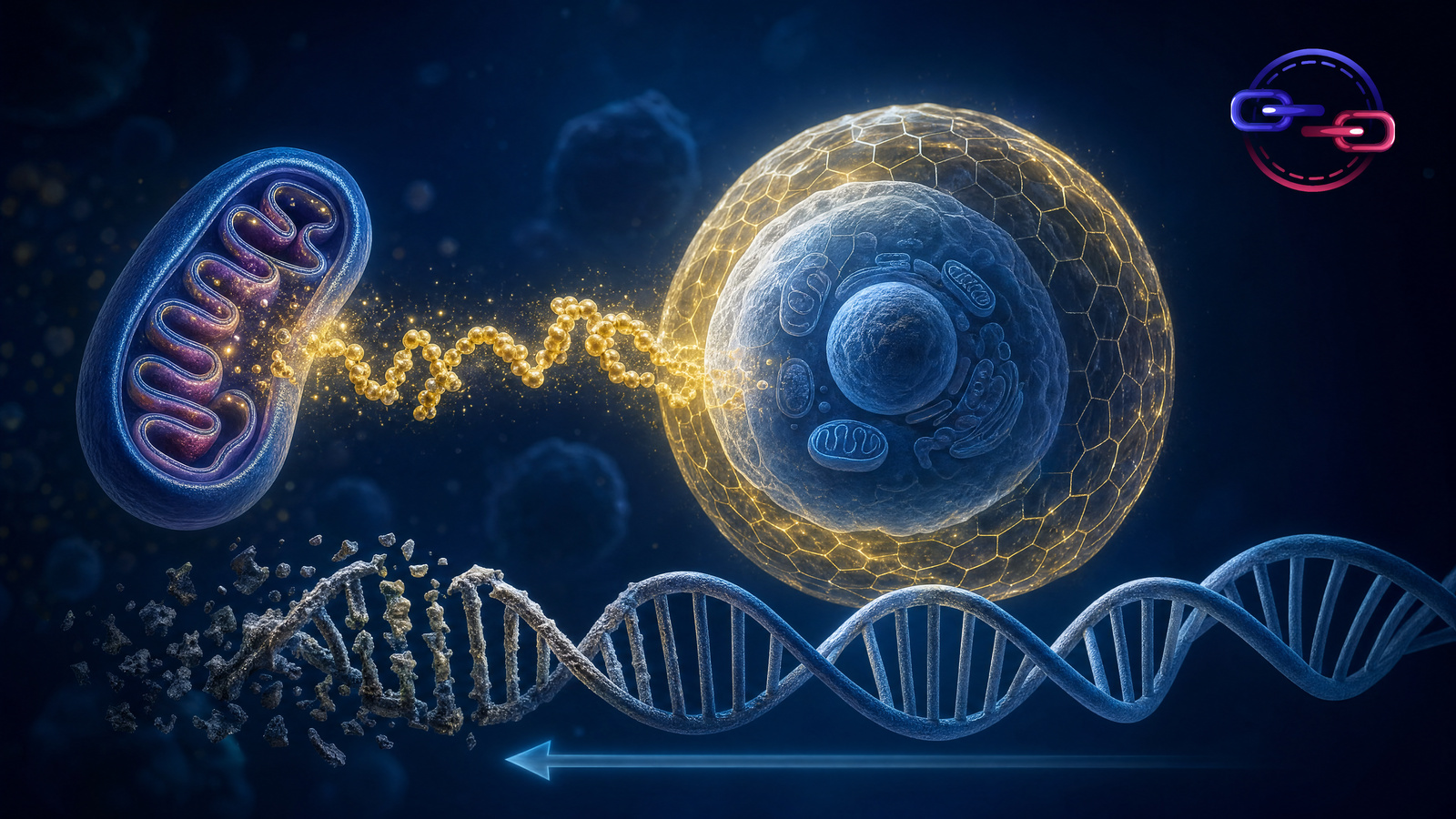
Humanin was discovered accidentally in 2001 during Alzheimer's disease research — but its significance extends far beyond neurodegeneration. This 24-amino acid peptide, encoded in mitochondrial DNA like MOTS-c, has emerged as a key player in cellular survival, metabolic regulation, and longevity biology. Perhaps most intriguingly, published studies of centenarians and their offspring have found significantly higher circulating humanin levels compared to age-matched controls — suggesting this mitochondrial peptide may help explain exceptional human longevity.
Discovery and Mitochondrial Origin
Humanin was identified through a functional screening approach — researchers at the RIKEN Brain Science Institute were searching for genes that could protect neurons from Alzheimer's-related toxicity. The protective gene they found was not in nuclear DNA but in mitochondrial DNA, encoded within the 16S ribosomal RNA gene. This was among the first discoveries of a biologically active peptide encoded in the mitochondrial genome.
Cytoprotective Mechanism
Humanin's primary documented function is cytoprotection — protecting cells from programmed death (apoptosis) under various stress conditions. Published research has demonstrated protective effects against amyloid beta toxicity (relevant to Alzheimer's), oxidative stress, serum starvation, and UV irradiation. The mechanism involves interaction with pro-apoptotic proteins including BAX and BID, preventing their mitochondrial translocation and subsequent activation of the apoptotic cascade.
Additionally, humanin binds to the IGFBP-3 receptor and activates STAT3 signaling — pathways involved in cell survival and proliferation. This receptor-mediated signaling provides an extracellular mechanism of action complementing the intracellular anti-apoptotic effects.
Longevity Connection
The longevity association is compelling. Published studies found that centenarians and their offspring have higher circulating humanin levels than age-matched controls. Since humanin is encoded in mitochondrial DNA, which is maternally inherited, these findings suggest a potential maternal inheritance pattern for longevity-associated humanin variants.
Circulating humanin levels decline with age — paralleling the decline in mitochondrial function. Published data shows that humanin levels in 70-year-olds are approximately 50% lower than in young adults. Whether this decline contributes to age-related disease susceptibility or merely reflects declining mitochondrial function is an active area of investigation.
Metabolic Effects
Published research has documented metabolic effects of humanin administration in animal models. Humanin improved insulin sensitivity, reduced hepatic glucose production, and decreased adiposity in diet-induced obesity models. The metabolic effects appear to be mediated through both central (hypothalamic) and peripheral mechanisms, with humanin influencing AMPK activation and mitochondrial function in metabolically active tissues.
Cardioprotective Research
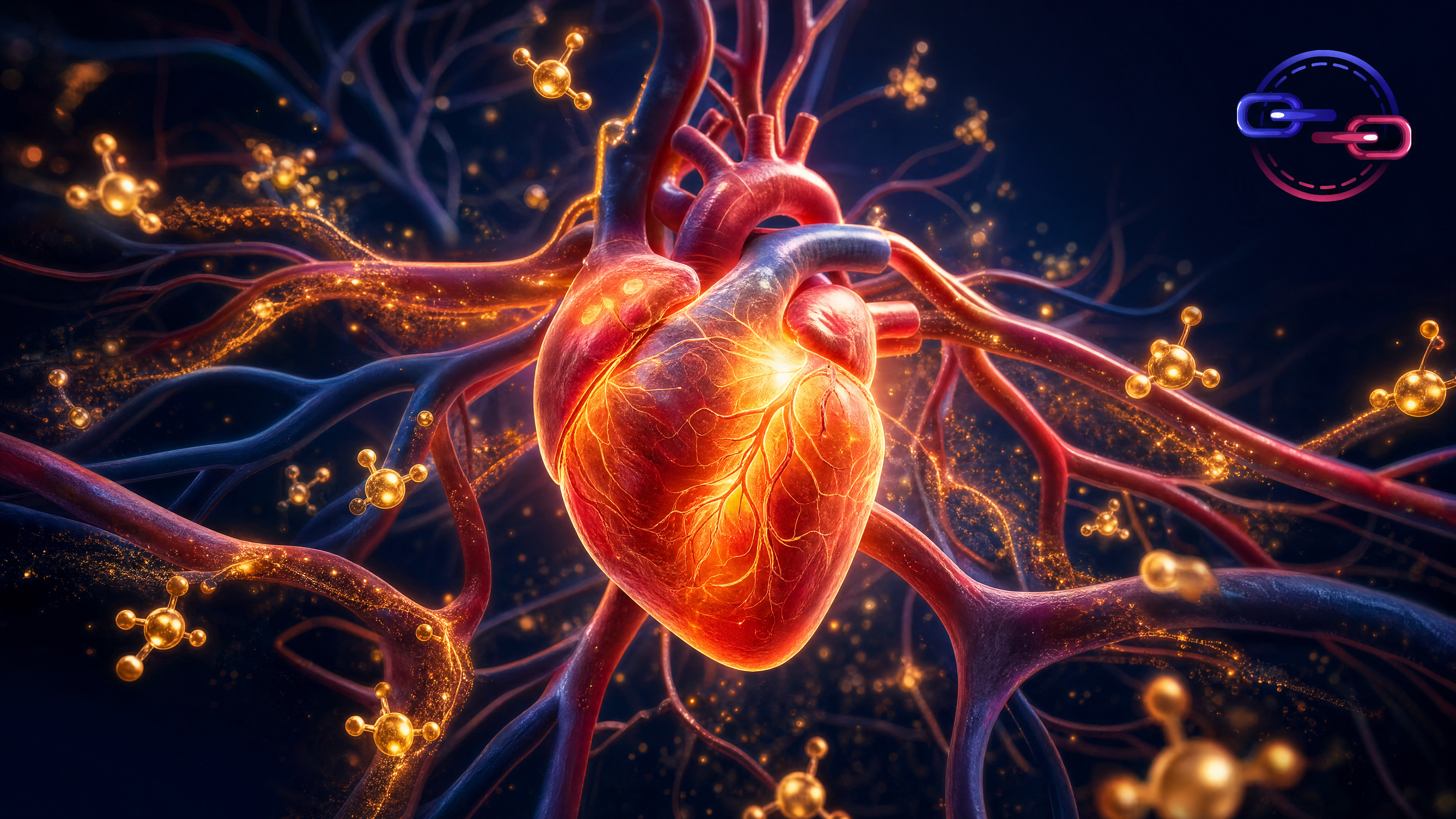
Published studies have demonstrated humanin's cardioprotective effects in ischemia-reperfusion models — where temporary loss of blood supply to the heart followed by restoration causes significant tissue damage. Humanin reduced infarct size and preserved cardiac function through its anti-apoptotic mechanism, preventing cardiomyocyte death in the ischemic zone.
Neuroprotection and Alzheimer's Research
Given humanin's discovery in Alzheimer's research, its neuroprotective profile is well-characterized. Published studies showed protection against amyloid beta-induced neuronal death, improved cognitive performance in Alzheimer's mouse models, and reduced neuroinflammation. Humanin's neuroprotective effect was enhanced by specific amino acid modifications — notably the S14G substitution (humanin G or HNG), which showed 1000-fold greater potency than the native sequence.
Research Context
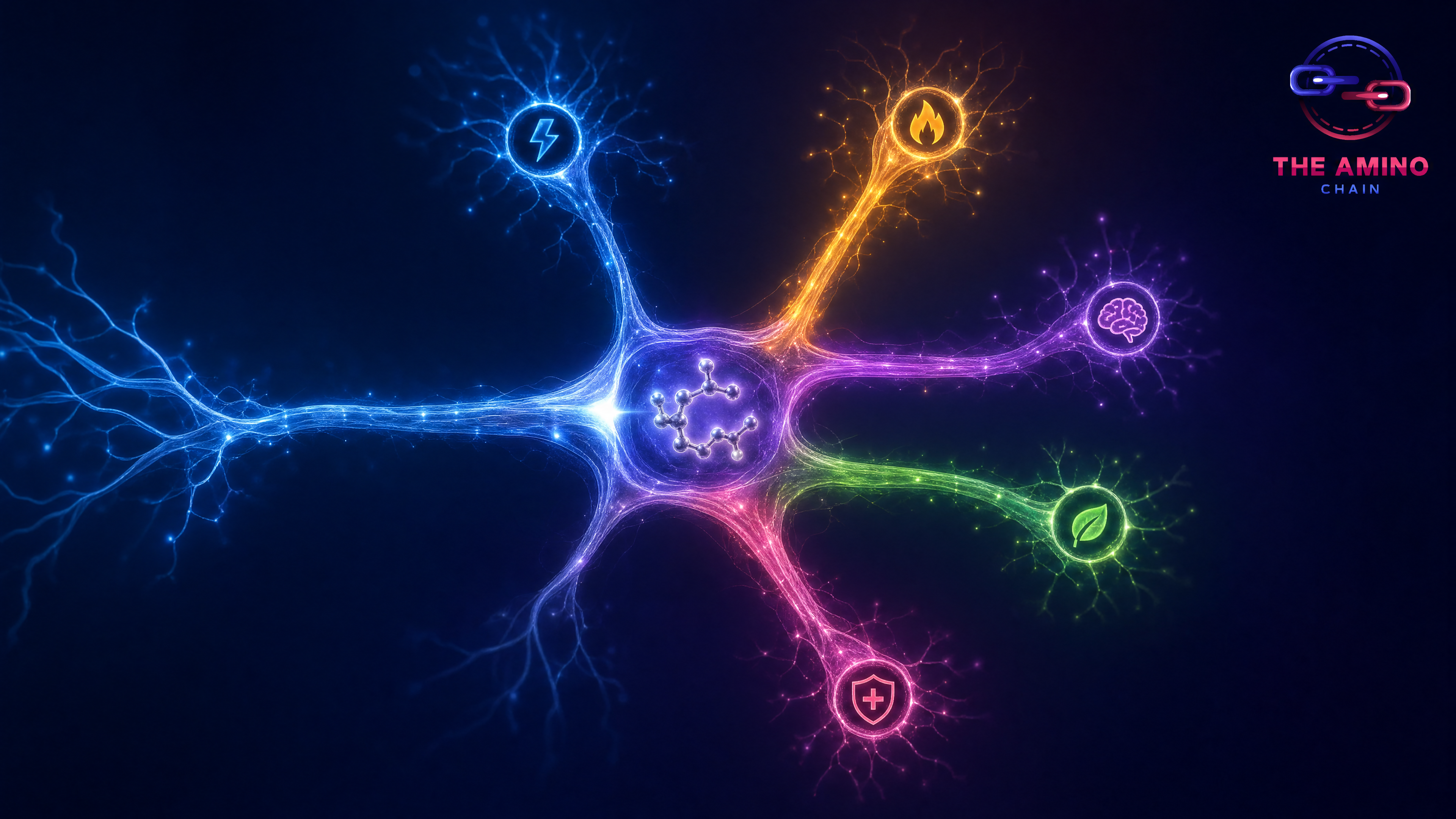
Humanin research is expanding rapidly as the field of mitochondrial-derived peptides matures. The peptide's connections to longevity, neurodegeneration, metabolic health, and cardioprotection make it one of the most multifunctional mitochondrial signals identified. However, most research remains preclinical, and the pharmacokinetics of exogenous humanin administration — particularly its short half-life and potential for rapid degradation — present challenges for translational research.