KPV: The Anti-Inflammatory Tripeptide From Alpha-MSH With Antimicrobial Properties
KPV is a tiny tripeptide derived from alpha-melanocyte stimulating hormone. Published research on its potent anti-inflammatory effects, antimicrobial activity, and gut health applications makes it one of the most interesting small peptides in current research.
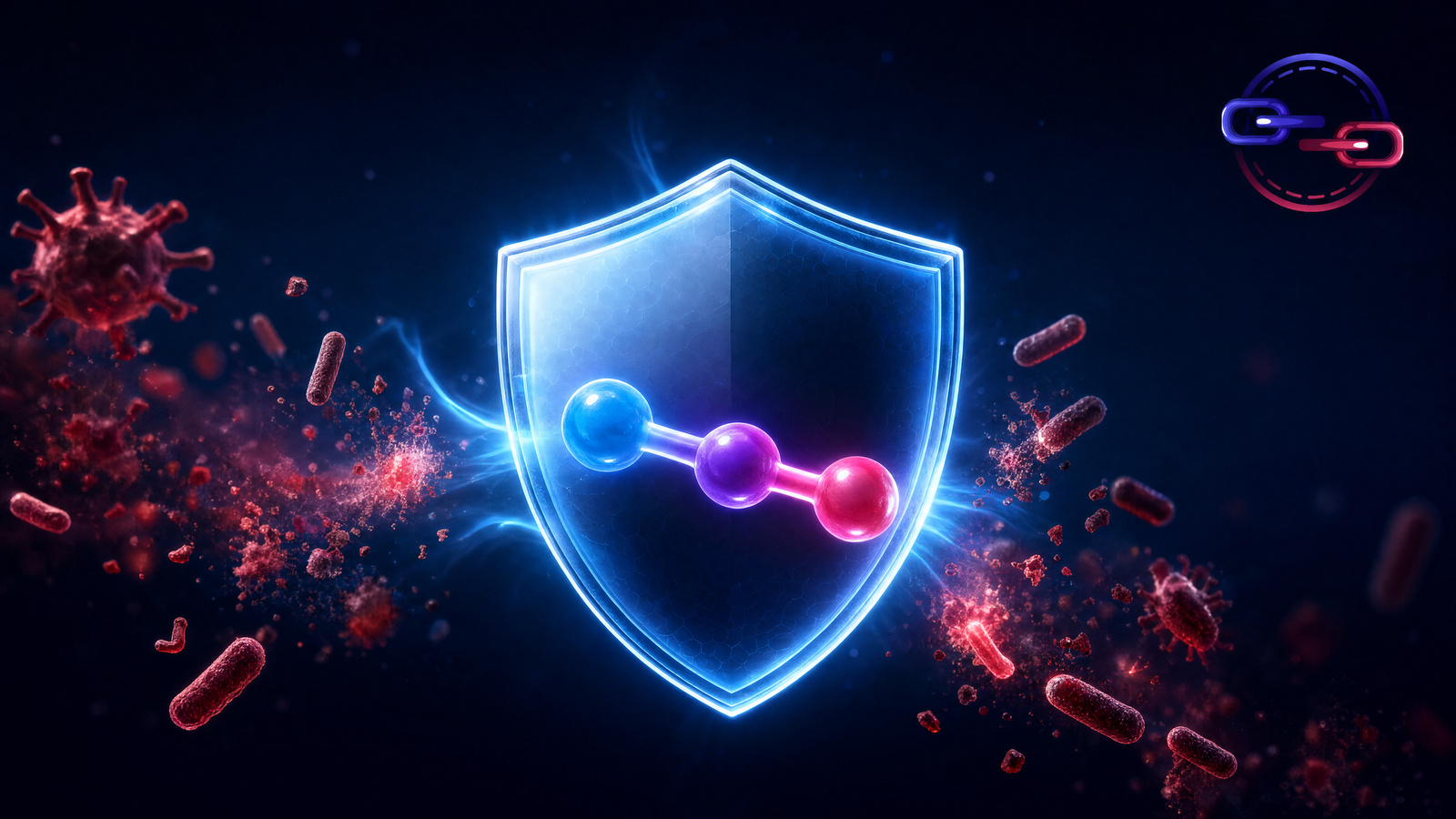
KPV — Lys-Pro-Val — is one of the smallest bioactive peptides in research, consisting of just three amino acids. It's derived from the C-terminal sequence of alpha-melanocyte stimulating hormone (alpha-MSH), a 13-amino acid neuropeptide with well-documented anti-inflammatory properties. What's remarkable about KPV is that this tiny tripeptide retains the anti-inflammatory activity of the full alpha-MSH molecule while being too small to activate melanocortin receptors — meaning it produces anti-inflammatory effects without the skin-darkening side effects associated with alpha-MSH and its analogs.
Origin: The Alpha-MSH Connection
Alpha-MSH is produced in the hypothalamus, pituitary gland, and various peripheral tissues including skin and immune cells. It's best known for stimulating melanin production through melanocortin receptors (particularly MC1R), but it also has potent anti-inflammatory, antipyretic (fever-reducing), and antimicrobial properties. These anti-inflammatory effects are mediated through the C-terminal tripeptide KPV, which was identified through structure-activity relationship studies.
The discovery that KPV retains anti-inflammatory activity without melanocortin receptor activation was significant because it separated the desired anti-inflammatory effects from the cosmetic side effect of skin pigmentation changes — a limitation that had restricted alpha-MSH's research applications.
Anti-Inflammatory Mechanism: NF-kB Inhibition
Published research demonstrated that KPV inhibits NF-kB activation — the master transcription factor controlling inflammatory gene expression. KPV enters cells and directly interacts with the inflammatory signaling cascade, preventing NF-kB nuclear translocation and reducing expression of pro-inflammatory cytokines including TNF-alpha, IL-1beta, IL-6, and IL-8.
The mechanism appears to involve direct interaction with inflammatory signaling components rather than receptor-mediated effects. This intracellular mechanism is unusual for a peptide — most peptides exert their effects through cell-surface receptor binding. KPV's small size (MW approximately 342 Da) may facilitate cellular uptake through mechanisms available to very small peptides but not larger ones.
Gut Health and Inflammatory Bowel Disease Research
KPV's anti-inflammatory properties have been extensively studied in the context of intestinal inflammation. Published research in animal models of colitis showed significant reductions in inflammatory markers, improved mucosal healing, and reduced disease severity in KPV-treated animals. The peptide showed effects when administered both systemically and orally — with oral administration being particularly relevant for GI applications because of direct contact with the intestinal mucosa.
Published studies also demonstrated that KPV reduced colonic expression of pro-inflammatory cytokines and inhibited inflammatory cell infiltration into the intestinal wall. These findings are particularly relevant given the limited treatment options for inflammatory bowel disease and the side effects associated with chronic immunosuppressive therapy.
Antimicrobial Properties
Beyond anti-inflammatory effects, published research has documented direct antimicrobial activity of KPV against various bacterial species including Staphylococcus aureus and Candida albicans. The antimicrobial mechanism appears to involve disruption of microbial cell membranes — a mechanism shared by many antimicrobial peptides. The combination of anti-inflammatory and antimicrobial properties is particularly relevant for conditions where inflammation and infection coexist, such as infected wounds and inflammatory bowel disease.
Skin Applications
Given alpha-MSH's role in skin biology, KPV has been studied for dermatological applications. Published research showed anti-inflammatory effects in skin inflammation models, with reductions in erythema, edema, and inflammatory cell infiltration. The peptide's ability to reduce skin inflammation without causing pigmentation changes (unlike alpha-MSH) makes it particularly interesting for dermatological research.
Research Status
KPV research is growing rapidly but remains primarily preclinical. The peptide's small size, oral bioavailability, and separation of anti-inflammatory effects from melanocortin receptor activation make it an attractive research compound. However, clinical data in humans is limited, and optimal dosing, administration routes, and long-term safety profiles are still being established.