LL-37 Benefits: What Published Research Shows About This Antimicrobial Peptide's Immune, Wound, and Anti-Biofilm Effects
LL-37 is the body's own antibiotic peptide. Published research documents benefits spanning direct pathogen killing, biofilm disruption, wound healing acceleration, and immune system modulation — here's what the science actually shows.
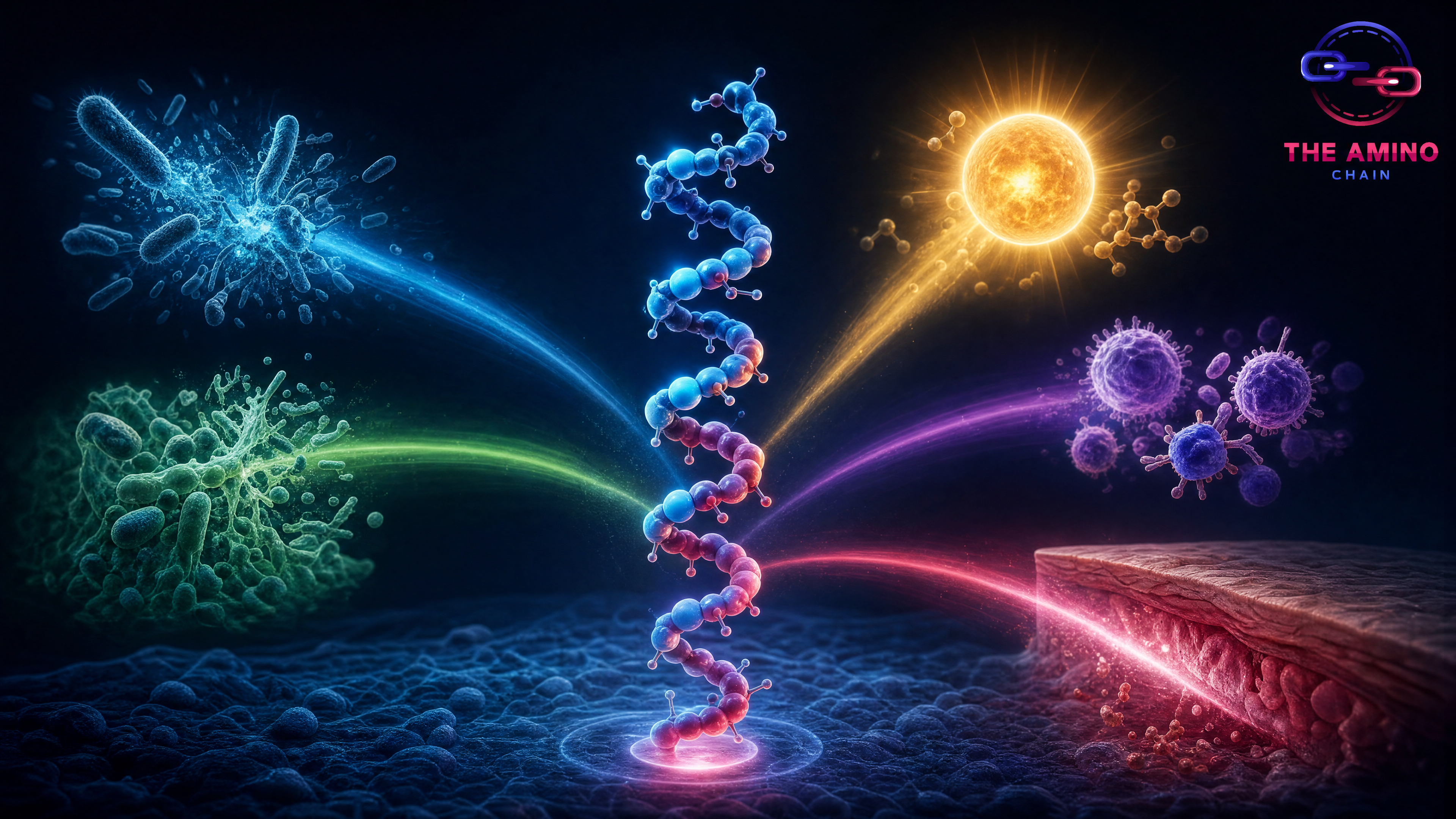
LL-37 is generating significant research interest — and for good reason. As the only cathelicidin antimicrobial peptide in humans, it represents the immune system's front-line chemical defense against pathogens. But published research reveals that LL-37's benefits extend far beyond antimicrobial activity into wound healing, immune regulation, and even anti-cancer research. This article examines what published studies actually show — separating demonstrated effects from theoretical potential.
Benefit 1: Broad-Spectrum Antimicrobial Activity
Published research has demonstrated LL-37's direct killing activity against an impressive range of pathogens. Gram-positive bacteria (including MRSA — methicillin-resistant Staphylococcus aureus), Gram-negative bacteria (including Pseudomonas aeruginosa and E. coli), fungi (including Candida albicans), and enveloped viruses are all susceptible. The mechanism — membrane disruption through the peptide's amphipathic alpha-helical structure — is difficult for pathogens to evolve resistance against, because it would require fundamental changes to membrane composition.
The breadth of antimicrobial activity is particularly relevant in an era of increasing antibiotic resistance. Published data showed LL-37 kills bacteria that are resistant to multiple conventional antibiotics, offering a complementary or alternative approach for resistant infections.
Benefit 2: Biofilm Disruption
Perhaps LL-37's most clinically significant antimicrobial property is its anti-biofilm activity. Biofilms — structured bacterial communities encased in a protective polysaccharide matrix — are 100-1000 times more resistant to conventional antibiotics than planktonic (free-floating) bacteria. Biofilms cause chronic wounds, medical device infections, chronic sinusitis, and chronic urinary tract infections.
Published research showed LL-37 both prevents biofilm formation and disrupts established biofilms at concentrations lower than those needed for planktonic killing. The anti-biofilm mechanism involves interference with bacterial quorum sensing (cell-to-cell communication that coordinates biofilm behavior) and direct disruption of the biofilm matrix structure.
Benefit 3: Wound Healing Acceleration
Published studies documented LL-37's direct promotion of wound healing through multiple mechanisms. The peptide stimulates keratinocyte migration (essential for re-epithelialization), promotes angiogenesis (new blood vessel formation in the wound bed), and modulates the inflammatory phase of wound healing. LL-37 expression is naturally upregulated in wound tissue, and individuals with LL-37 deficiency show impaired wound healing — providing genetic evidence for the peptide's role in the wound repair process.
Benefit 4: Immune System Modulation
LL-37's immunomodulatory effects may be more biologically significant than its direct antimicrobial activity. Published research showed LL-37 recruits immune cells to infection sites (chemotactic activity), modulates dendritic cell differentiation (influencing adaptive immune responses), regulates inflammatory cytokine production (context-dependent pro- or anti-inflammatory), and enhances phagocytosis (immune cell engulfment of pathogens).
This immunomodulatory profile is context-dependent — LL-37 amplifies immune responses during active infection while dampening excessive inflammation during resolution. This adaptive modulation distinguishes it from simple immunostimulants.
Benefit 5: Vitamin D Connection
LL-37 expression is regulated by vitamin D — specifically, active vitamin D (1,25-dihydroxyvitamin D3) activates the cathelicidin gene promoter. This connection provides a molecular mechanism for vitamin D's well-documented immune effects and has practical implications: ensuring adequate vitamin D status supports endogenous LL-37 production. Published studies showed vitamin D supplementation increased LL-37 levels in vitamin D-deficient individuals.
Benefit 6: Anti-Cancer Research
Published research has explored LL-37's effects on cancer cells, with demonstrated anti-tumor activity in gastric, colon, and hematological cancer models. The anti-cancer mechanisms include direct cytotoxicity to cancer cells (through the same membrane-disrupting mechanism used against bacteria), immune cell recruitment to the tumor microenvironment, and modulation of angiogenesis within tumors.
Important caveat: LL-37's effects on cancer are not uniformly anti-tumorigenic. Some published studies in ovarian and breast cancer models suggested potential pro-tumorigenic effects. This context-dependent activity requires careful consideration and reflects the peptide's complex biological role.
Limitations and Considerations
LL-37's 37-amino acid length makes it expensive to synthesize. The peptide is susceptible to proteolytic degradation in vivo, limiting its duration of action after administration. Published research has explored shorter LL-37 fragments and modified analogs that retain biological activity with improved stability and reduced production costs. And the context-dependent nature of LL-37's effects — beneficial in some cancer types, potentially harmful in others — requires careful evaluation for each research application.