Oxytocin: Far More Than the 'Love Hormone' — Research on Wound Healing, Inflammation, and Metabolism
Oxytocin's reputation as the 'love hormone' obscures its remarkable wound healing, anti-inflammatory, and metabolic research profile. Published studies reveal biological effects that extend far beyond social bonding.
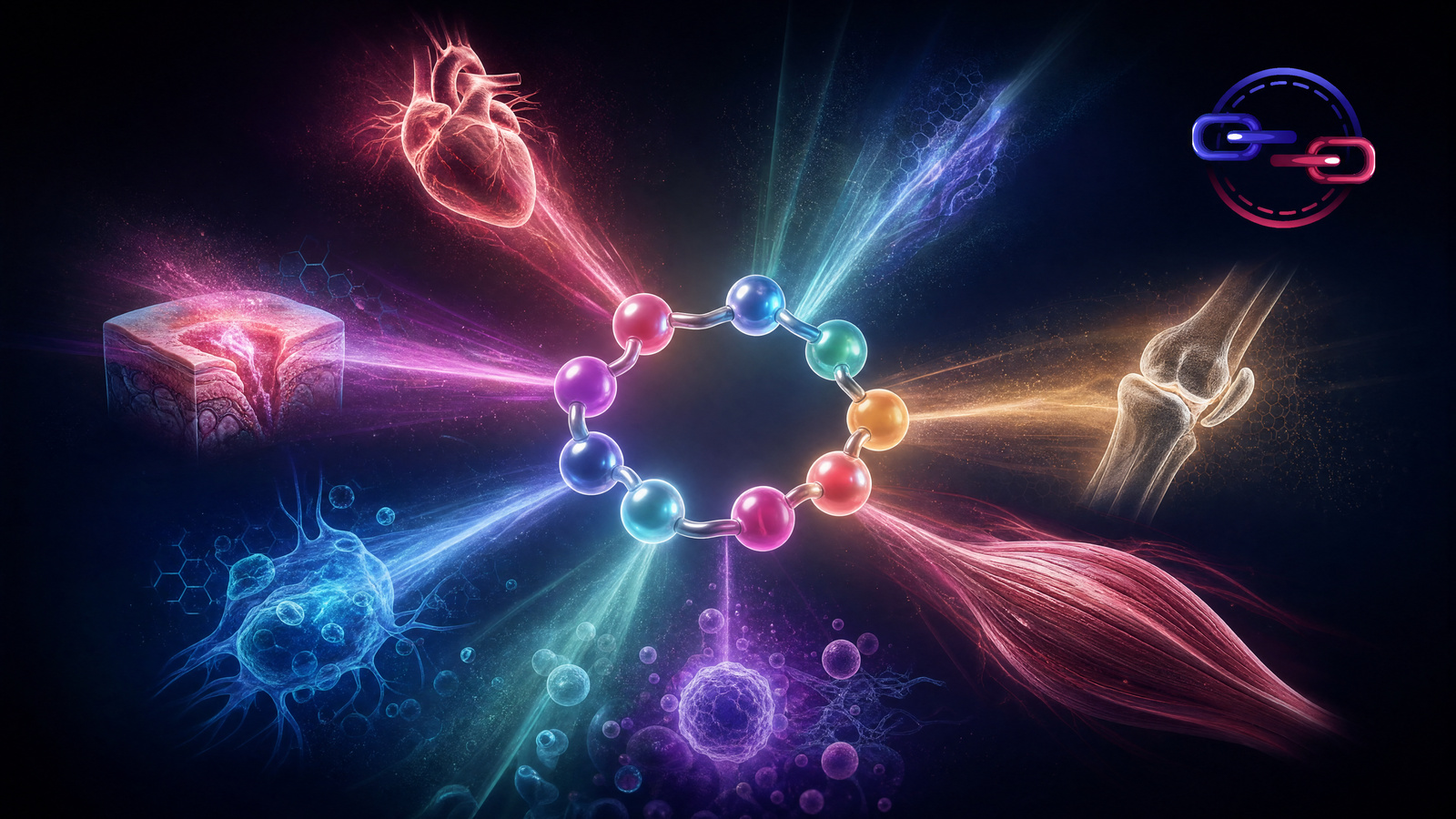
Oxytocin is one of the most misunderstood peptides in public discourse. Popularly called the "love hormone" or "cuddle chemical," this 9-amino acid cyclic peptide is reduced to a feel-good molecule in popular media. Published research tells a dramatically different story. Oxytocin receptors are expressed in virtually every tissue in the body, and published studies document effects on wound healing, inflammation, bone metabolism, cardiac protection, muscle regeneration, and metabolic regulation — effects that have nothing to do with social bonding.
Wound Healing
Published research demonstrated that oxytocin directly promotes wound healing through effects on dermal fibroblasts and keratinocytes. Oxytocin receptor activation stimulates fibroblast proliferation, collagen synthesis, and keratinocyte migration — the cellular processes that close wounds and rebuild tissue. Animal studies showed accelerated wound closure with oxytocin treatment, with improved healing quality including better collagen organization and reduced scar formation.
The wound healing effect is particularly interesting because oxytocin levels decrease with age, and wound healing capacity also declines with age. Published data suggests that age-related decline in endogenous oxytocin may contribute to impaired wound healing in elderly individuals.
Anti-Inflammatory Effects
Published research has documented potent anti-inflammatory effects of oxytocin in multiple tissue contexts. Oxytocin reduced production of pro-inflammatory cytokines (TNF-alpha, IL-6, IL-1beta), decreased NF-kB activation, and modulated macrophage polarization toward anti-inflammatory M2 phenotypes. These effects were observed in gastrointestinal, cardiovascular, and neural tissues.
The anti-inflammatory mechanism appears to involve both direct receptor-mediated effects on immune cells (which express oxytocin receptors) and indirect effects through vagus nerve activation. Oxytocin stimulates vagal tone, which in turn activates the cholinergic anti-inflammatory pathway — a neural circuit that suppresses systemic inflammation.
Muscle Regeneration
A landmark 2014 study published in Nature Communications demonstrated that oxytocin is essential for muscle regeneration. Aged mice had reduced oxytocin levels and impaired muscle repair. Restoring oxytocin levels in aged mice improved muscle regeneration to levels comparable to young animals. The mechanism involved enhanced satellite cell activation and proliferation — the same stem cell population that TB-500 research targets through a different pathway.
Bone Metabolism
Published research showed that oxytocin receptors are expressed on both osteoblasts (bone-forming cells) and osteoclasts (bone-resorbing cells). Oxytocin stimulated osteoblast differentiation and bone formation while modulating osteoclast activity. Animal studies demonstrated that oxytocin-deficient mice developed osteoporosis, and oxytocin administration improved bone mineral density in ovariectomized models of postmenopausal bone loss.
Cardiac Protection
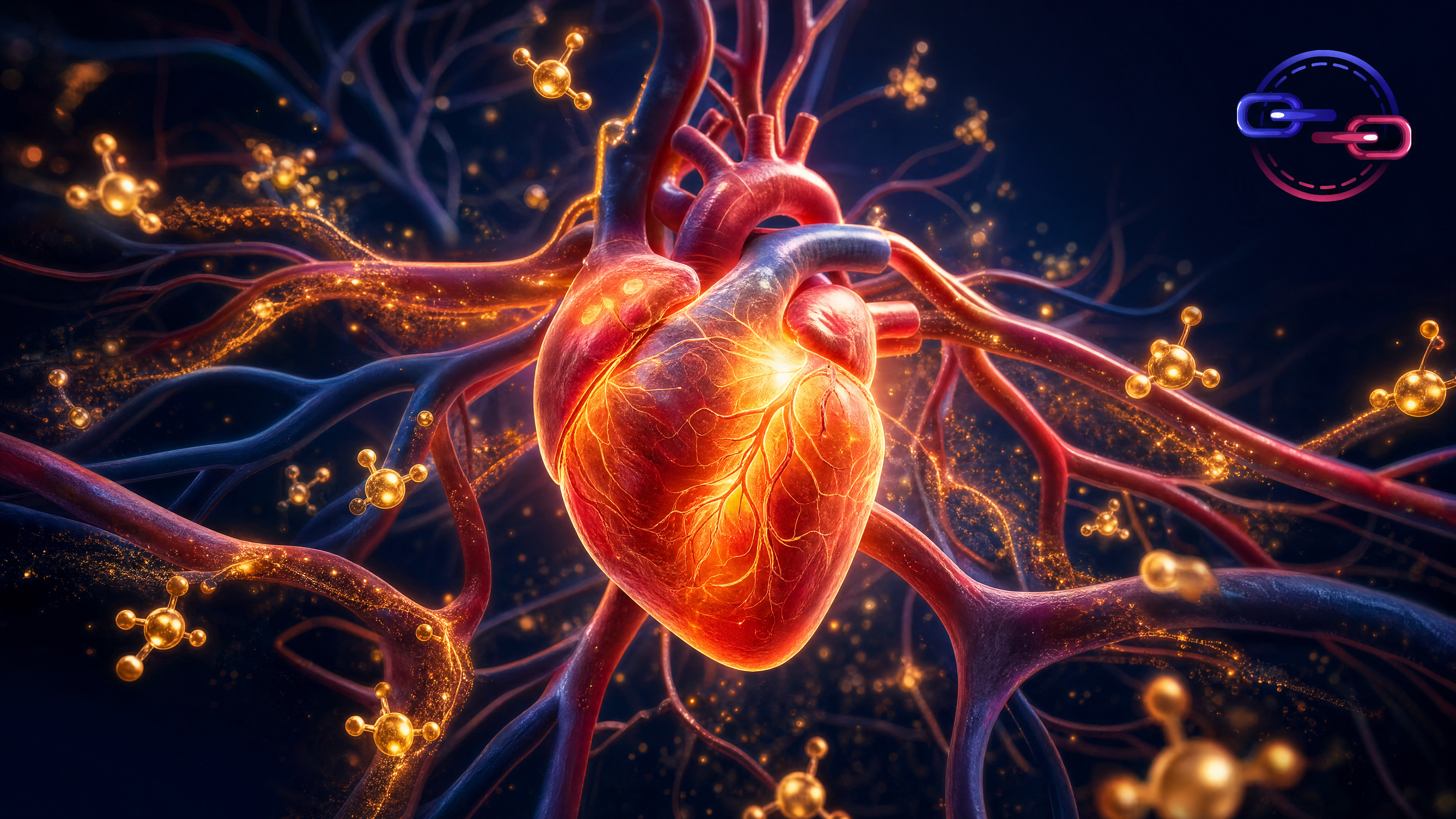
The heart expresses oxytocin receptors, and published research has documented cardioprotective effects including improved cardiac function after ischemia, reduced infarct size, anti-fibrotic effects in cardiac remodeling, and promotion of cardiomyocyte differentiation from stem cells. The mechanisms involve both anti-inflammatory effects and direct receptor-mediated signaling in cardiac tissue.
Metabolic Effects
Published research revealed that oxytocin influences metabolic regulation. Intranasal oxytocin administration in humans reduced caloric intake, particularly of high-fat foods, and improved insulin sensitivity. The mechanism involves central effects on hypothalamic appetite circuits and peripheral effects on adipocyte and pancreatic beta cell function.