Retatrutide and Body Composition: Research on Fat Loss, Lean Mass, and Metabolic Rate
Published retatrutide research shows effects on body composition beyond simple weight loss. This article examines the mechanisms through which triple agonism influences fat oxidation, lean mass preservation, and basal metabolic rate.
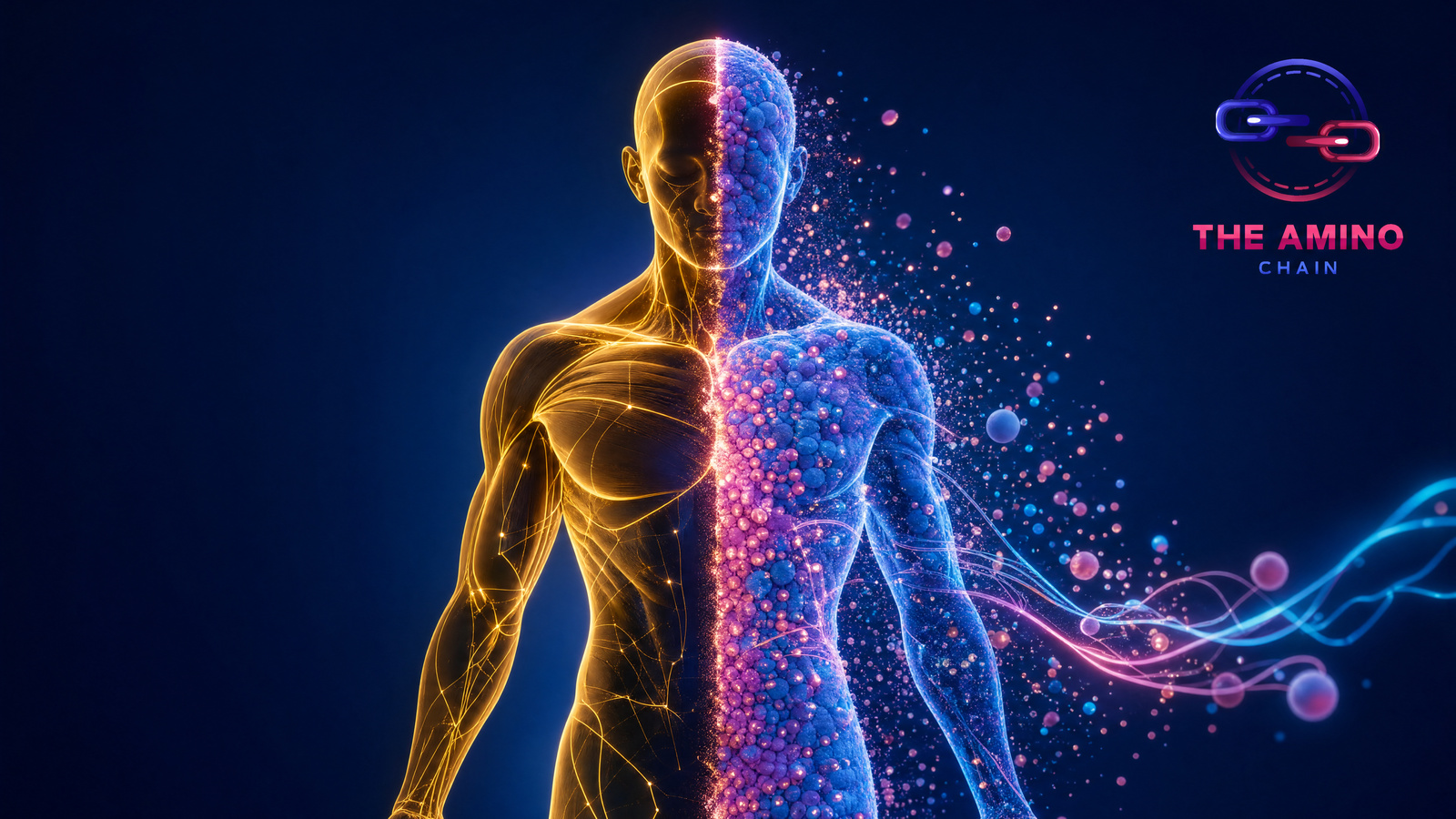
Weight loss and fat loss are not the same thing. A compound that reduces body weight by depleting muscle mass and water provides a very different outcome than one that preferentially targets adipose tissue while preserving or even supporting lean mass. Published retatrutide research suggests the triple agonist mechanism may favor the latter — and the glucagon receptor component appears to be the key differentiator.
The Three Pathways to Body Composition Change
Retatrutide's triple receptor activation addresses body composition through three mechanistically distinct pathways. GLP-1R activation reduces appetite and food intake through hypothalamic signaling and delayed gastric emptying — creating a caloric deficit from the intake side. GIPR activation modulates adipose tissue biology, influencing lipid handling and potentially affecting fat distribution patterns. GCGR activation increases hepatic fatty acid oxidation and energy expenditure — burning stored fat from the expenditure side.
This three-pronged approach creates a metabolic environment that simultaneously reduces caloric intake and increases caloric expenditure while specifically targeting lipid metabolism. The theoretical result is preferential fat loss rather than indiscriminate weight loss.
Glucagon and Hepatic Fat Oxidation
The glucagon receptor component is what distinguishes retatrutide's body composition effects from those of GLP-1 or dual GIP/GLP-1 agonists. Published research on glucagon's metabolic effects has demonstrated increased hepatic lipid oxidation through activation of AMP-activated protein kinase (AMPK) and upregulation of carnitine palmitoyltransferase 1 (CPT1) — the rate-limiting enzyme for mitochondrial fatty acid transport.
In practical terms, GCGR activation tells the liver to shift from storing fat to burning it. This hepatic effect is complemented by potential effects on brown adipose tissue thermogenesis, where glucagon signaling may increase uncoupled respiration — generating heat from fat oxidation rather than ATP. The net effect is increased daily energy expenditure beyond what would be predicted from reduced food intake alone.
Lean Mass Preservation
One of the most significant concerns with any weight loss intervention is the loss of lean body mass — primarily skeletal muscle. Caloric restriction alone typically results in a mixture of fat and lean tissue loss, with lean mass losses of 25-40% of total weight lost being common. This lean mass loss reduces basal metabolic rate, contributes to the "weight regain" phenomenon, and has negative implications for physical function and metabolic health.
Published research on triple agonist peptides has examined body composition changes using dual-energy X-ray absorptiometry (DEXA) and other imaging modalities. The data suggests a more favorable fat-to-lean mass loss ratio compared to caloric restriction alone, though the mechanisms are still being characterized. The preserved lean mass may relate to glucagon's protein-sparing effects during fat oxidation, GIP's anabolic signaling in muscle tissue, or the combination of both.
Metabolic Rate and the Energy Expenditure Question
Metabolic adaptation — the reduction in basal metabolic rate that accompanies weight loss — is a major barrier to sustained weight management. As body mass decreases, energy expenditure decreases proportionally and often beyond what would be predicted by the loss of metabolically active tissue (adaptive thermogenesis). This metabolic slowdown is one reason weight regain is so common.
GCGR activation may partially counteract metabolic adaptation by maintaining or increasing energy expenditure through hepatic and potentially brown fat thermogenic pathways. If retatrutide's glucagon component sustains energy expenditure during weight loss, it could fundamentally alter the metabolic adaptation equation — though long-term data on this specific question is still emerging.
Visceral vs Subcutaneous Fat
Not all fat is metabolically equivalent. Visceral adipose tissue (VAT) — fat stored around the abdominal organs — is more metabolically active and more strongly associated with cardiometabolic risk than subcutaneous adipose tissue. Published research on triple agonist peptides has examined compartment-specific fat loss, with preliminary data suggesting preferential reduction of visceral fat. The mechanisms may involve glucagon's hepatic effects reducing liver fat content and the combined receptor activation influencing adipose tissue distribution patterns.
Research Perspective
Body composition research with retatrutide is still in early stages. Most published body composition data comes from relatively short-term studies, and the long-term effects on lean mass preservation, metabolic rate maintenance, and fat distribution require further investigation. The triple agonist mechanism provides strong theoretical rationale for favorable body composition effects, but translating preclinical and early clinical findings into long-term outcomes data is an ongoing process.