Retatrutide and Kidney Health: Research on Renal Protection, Diabetic Nephropathy, and GFR
Kidney disease is a common complication of metabolic dysfunction. Published research on GLP-1 receptor agonists shows renal protective effects — and retatrutide's triple mechanism may extend these benefits through additional pathways.
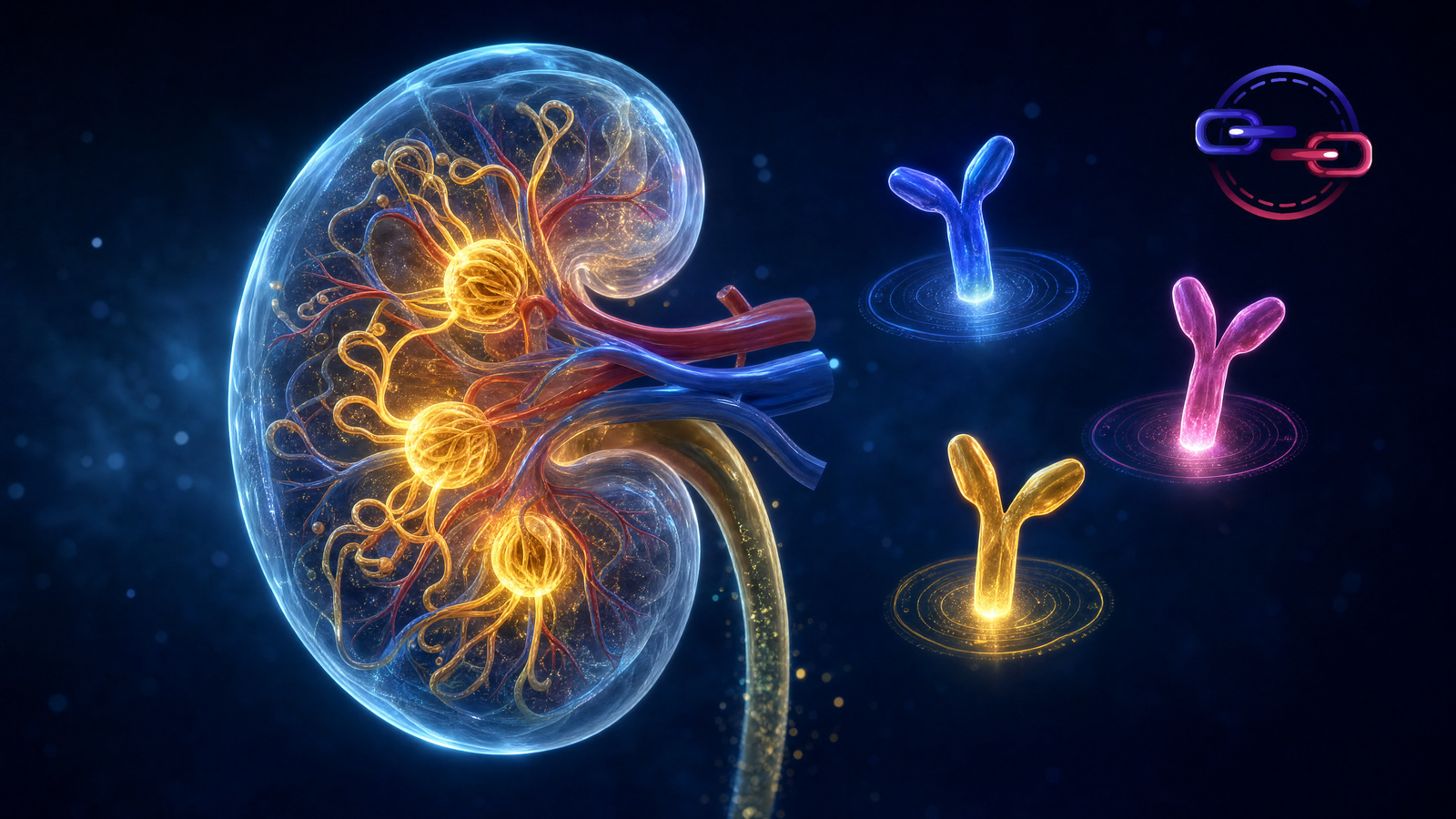
Chronic kidney disease (CKD) affects approximately 850 million people worldwide and is closely linked to metabolic dysfunction — diabetes is the leading cause of end-stage renal disease, and obesity independently increases CKD risk. Published research on GLP-1 receptor agonists has demonstrated renal protective effects that have fundamentally changed the treatment landscape for diabetic kidney disease. Retatrutide's addition of GIPR and GCGR activation to GLP-1R signaling raises questions about whether triple agonism could provide enhanced or complementary renal benefits.
How Metabolic Disease Damages Kidneys
The kidneys filter approximately 180 liters of blood daily through millions of microscopic filtration units called nephrons. Metabolic disease damages nephrons through multiple mechanisms: hyperglycemia causes direct damage to glomerular endothelial cells and podocytes through advanced glycation end-products (AGEs) and polyol pathway activation. Insulin resistance promotes glomerular hyperfiltration — increased filtration pressure that initially masks declining kidney function but accelerates nephron loss over time. Hypertension damages the delicate glomerular vasculature. And systemic inflammation promotes renal fibrosis.
GLP-1R and Renal Protection
GLP-1R is expressed in the kidneys — in proximal tubular cells, glomerular endothelial cells, and mesangial cells. Published research on GLP-1 receptor agonists has documented multiple renal protective mechanisms. GLP-1R activation promotes natriuresis (sodium excretion) through inhibition of the sodium-hydrogen exchanger NHE3 in the proximal tubule, reducing glomerular hyperfiltration and intraglomerular pressure.
Additionally, GLP-1R activation has demonstrated anti-inflammatory and anti-fibrotic effects in kidney tissue, reducing expression of pro-inflammatory cytokines and profibrotic mediators including TGF-beta. Large cardiovascular outcomes trials with GLP-1 receptor agonists have reported significant reductions in kidney disease progression, validating the renal protective potential of this receptor pathway.
Glucagon and Renal Hemodynamics
Glucagon has documented effects on renal blood flow and glomerular filtration rate (GFR). GCGR activation increases renal blood flow and GFR acutely, which must be understood in the context of chronic administration where the hemodynamic effects may differ. The GCGR-mediated reduction in hepatic fat and improvement in systemic metabolic health may provide indirect renal protection by reducing the metabolic drivers of kidney damage.
Blood Pressure and Kidney Protection
Hypertension is both a cause and consequence of kidney disease, and blood pressure reduction is one of the most effective interventions for slowing CKD progression. Retatrutide's documented effects on blood pressure — mediated through GLP-1R natriuretic effects, weight loss, and improved metabolic health — contribute to renal protection through hemodynamic mechanisms independent of direct tubular or glomerular effects.
Albuminuria Research
Albuminuria — the presence of albumin in the urine — is a marker of glomerular barrier dysfunction and a predictor of CKD progression. Published research on GLP-1 receptor agonists has demonstrated reductions in albuminuria, and preliminary data on triple agonist peptides suggests similar or potentially enhanced effects. The mechanism likely involves reduced glomerular hyperfiltration, improved endothelial function, and anti-inflammatory effects on the glomerular barrier.
Research Limitations
Dedicated renal outcomes studies for retatrutide have not been completed. The renal protective profile is currently inferred from the established GLP-1R renal data, the indirect metabolic benefits of triple agonism, and early biomarker data from metabolic studies. Long-term renal outcomes data from prospective studies is needed to establish whether triple agonism provides renal benefits beyond those demonstrated for GLP-1 receptor agonists alone.