Retatrutide: The Triple Agonist Peptide Reshaping Metabolic Research
Retatrutide targets three receptors simultaneously — GLP-1, GIP, and glucagon. This comprehensive overview examines how the triple agonist approach differs from single and dual receptor peptides and why it matters for metabolic research.
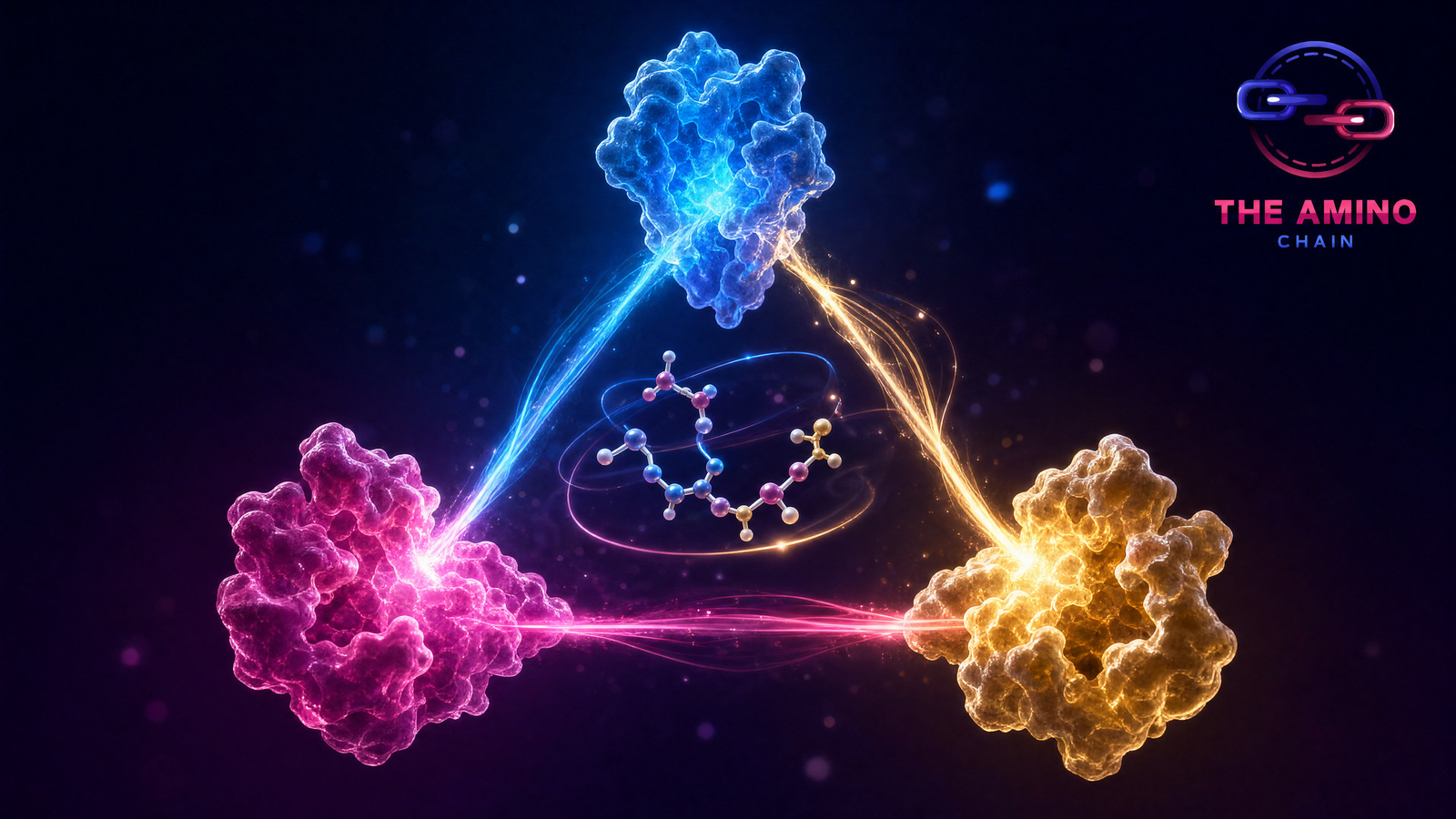
Retatrutide represents a paradigm shift in incretin-based peptide research. While earlier peptides targeted one receptor (GLP-1 agonists) or two (dual GIP/GLP-1 agonists), retatrutide simultaneously activates three distinct G-protein coupled receptors: the glucagon-like peptide-1 receptor (GLP-1R), the glucose-dependent insulinotropic polypeptide receptor (GIPR), and the glucagon receptor (GCGR). This triple agonist design produces a combination of metabolic effects that no single- or dual-receptor peptide can replicate.
The Evolution from Single to Triple Agonism
The incretin research timeline follows a clear trajectory of increasing receptor engagement. First-generation GLP-1 receptor agonists demonstrated that targeting a single incretin receptor could produce meaningful metabolic effects — enhanced glucose-dependent insulin secretion, reduced glucagon release, slowed gastric emptying, and appetite modulation through hypothalamic signaling.
Second-generation dual agonists added GIP receptor activation, based on the hypothesis that engaging both incretin pathways simultaneously would produce synergistic effects beyond either alone. Published research confirmed this hypothesis, with dual agonists demonstrating enhanced metabolic effects compared to GLP-1-selective compounds in head-to-head preclinical comparisons.
Retatrutide adds the third piece: glucagon receptor agonism. This addition was initially counterintuitive — glucagon raises blood glucose, seemingly opposing the glucose-lowering effects of GLP-1 and GIP. But the rationale becomes clear when examining glucagon's broader metabolic profile beyond glycemic effects.
Why Add Glucagon? The Energy Expenditure Angle
Glucagon's role extends far beyond glucose mobilization. Published research has documented glucagon's effects on hepatic lipid oxidation — the process by which the liver breaks down fatty acids for energy. GCGR activation increases energy expenditure through enhanced fatty acid oxidation, thermogenesis, and potentially through effects on brown adipose tissue activation.
In the context of a triple agonist, the glucose-raising effect of GCGR activation is counterbalanced by the glucose-lowering effects of simultaneous GLP-1R and GIPR activation. The net glycemic effect depends on the relative potency at each receptor — and retatrutide's design calibrates these potencies to maintain glucose-lowering effects while adding the energy expenditure benefits of glucagon signaling.
This metabolic "best of three worlds" approach — appetite reduction (GLP-1), enhanced insulin response (GLP-1 + GIP), and increased energy expenditure (glucagon) — addresses energy balance from multiple angles simultaneously.
Molecular Design and Pharmacology
Retatrutide is a synthetic 39-amino acid peptide with a molecular weight of approximately 4700 Da. Its sequence is engineered to activate all three target receptors with specific relative potencies. Like other long-acting peptide therapeutics, it incorporates a fatty acid conjugation strategy — a C20 fatty diacid moiety that enables albumin binding, substantially extending circulating half-life compared to native incretin hormones that are degraded within minutes by DPP-4.
The receptor binding profile is not equally balanced across all three targets. Published pharmacological characterization shows specific relative potencies at GLP-1R, GIPR, and GCGR that reflect deliberate design choices — optimizing the therapeutic ratio between desired metabolic effects and potential adverse effects at each receptor.
Preclinical Research Profile
Published preclinical research on triple agonist peptides has focused on comparative studies against single- and dual-receptor agonist comparators. In rodent models of diet-induced obesity, triple agonists demonstrated superior effects on body weight reduction, glucose tolerance, and lipid metabolism compared to both GLP-1-selective and dual GIP/GLP-1 agonist comparators.
The magnitude of the difference was notable — not merely additive effects of three receptors, but what appeared to be synergistic interactions between the three signaling pathways. This synergy likely reflects the non-redundant nature of the metabolic pathways engaged: appetite reduction, insulin enhancement, and energy expenditure increase represent three distinct mechanisms converging on energy balance.
Research Context and Limitations
Retatrutide research is advancing rapidly but remains in relatively early stages compared to established single-receptor agonists with decades of published data. The long-term effects of simultaneous activation of three receptor systems, the optimal balance of receptor potencies, and the full spectrum of tissue-specific effects are still being characterized. As with all research peptides, findings from preclinical and early clinical studies require confirmation through larger, longer-term investigations.