The Triple Agonist Revolution: How Multi-Receptor Peptides Are Changing Metabolic Research
From single GLP-1 agonists to triple GIP/GLP-1/glucagon compounds — the evolution of incretin research and what it means for the future of metabolic science.
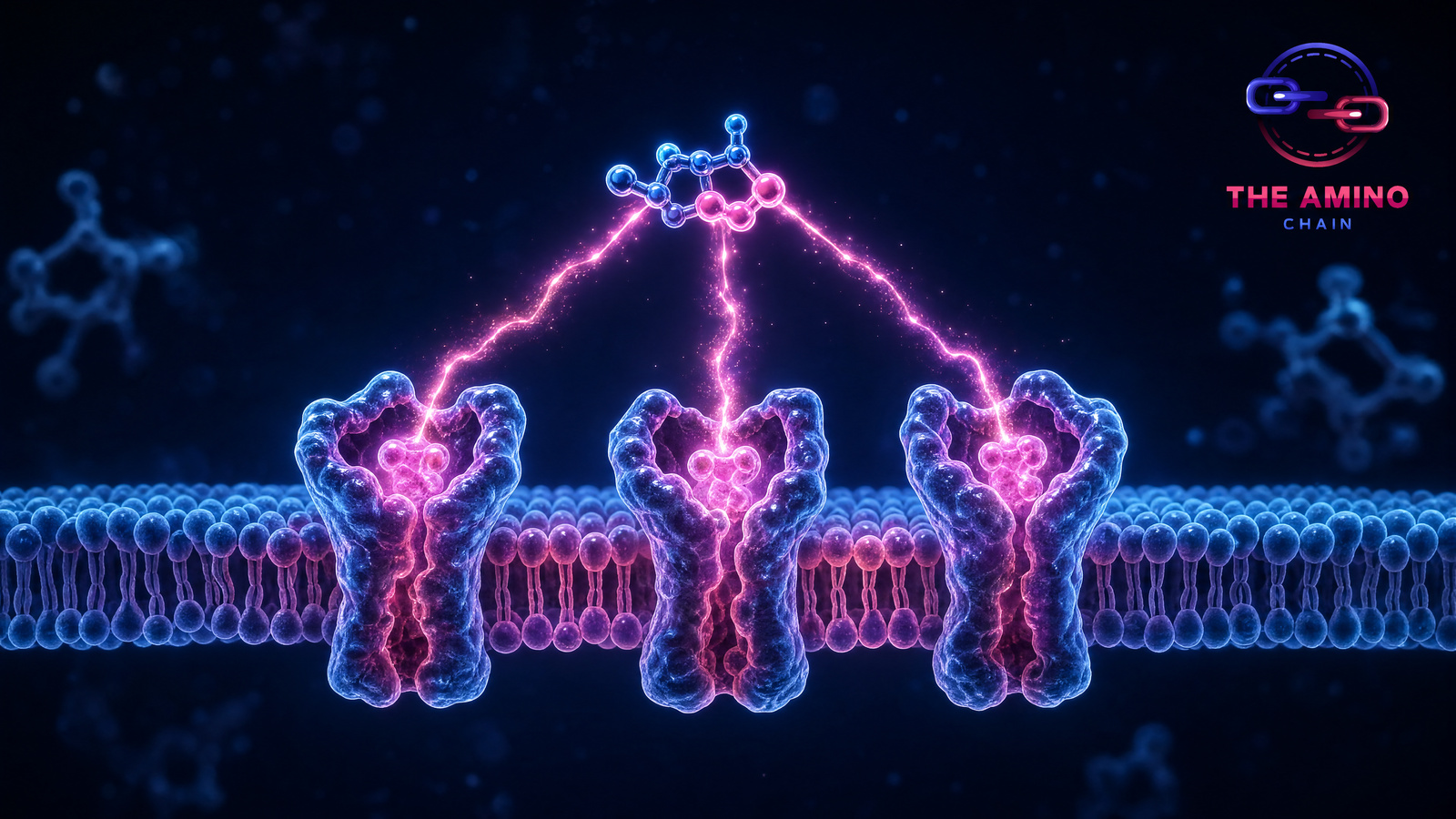
The metabolic research landscape has undergone a paradigm shift. In less than a decade, the field has progressed from single-target GLP-1 receptor agonists to dual GIP/GLP-1 compounds, and now to triple agonists that simultaneously engage GIP, GLP-1, and glucagon receptors. Each generation has produced larger effect sizes, challenging assumptions about what is pharmacologically achievable.
The Single Agonist Era
The story begins with the discovery that GLP-1 — a hormone released by intestinal L-cells after eating — could be modified to resist enzymatic degradation while retaining receptor activity. The resulting long-acting GLP-1 receptor agonists demonstrated that sustained incretin signaling could produce meaningful metabolic effects in clinical trials.
The Dual Agonist Breakthrough
The next evolution combined GLP-1 agonism with GIP receptor activity. Published head-to-head clinical data demonstrated that dual GIP/GLP-1 agonists produced effects exceeding those of GLP-1 single agonists — suggesting the two receptor systems interact synergistically rather than simply additively.
Enter the Triple Agonist
The addition of glucagon receptor agonism to the GIP/GLP-1 backbone represented a conceptual leap. Glucagon had traditionally been viewed as a counter-regulatory hormone, but research revealed that controlled glucagon receptor activation increases hepatic energy expenditure and promotes fatty acid oxidation — metabolic effects not achieved through incretin signaling alone.
Published Phase 2 data for triple agonist compounds showed the largest effect sizes reported in the class — with the highest dose groups demonstrating approximately 24% reductions from baseline, unprecedented at the time of publication.
Implications for Research
The multi-agonist approach validates a broader principle: engaging complementary biological pathways simultaneously can produce effects that exceed the sum of individual contributions. This principle is likely to extend beyond metabolic research into other peptide therapeutic areas.